Warehouse Tents: Covered Square Footage Without the Lease or the Wait
Clear-span storage and working structures installed on your own yard. What they are, what goes under them, and when cover beats construction.
A warehouse tent is a clear-span structure used as storage or working space: a building’s function without a building’s timeline, with no lease and no construction wait. This guide explains what a warehouse tent is, when it is the better instrument, what goes under one, and what the site has to provide.
Browse Warehouse Tent Structures
The clear-span structures, Keder systems, solid walls and heavy ballast ACME specifies for storage and working space. Add them to your quote, or open the full Warehouse Tents rental page.
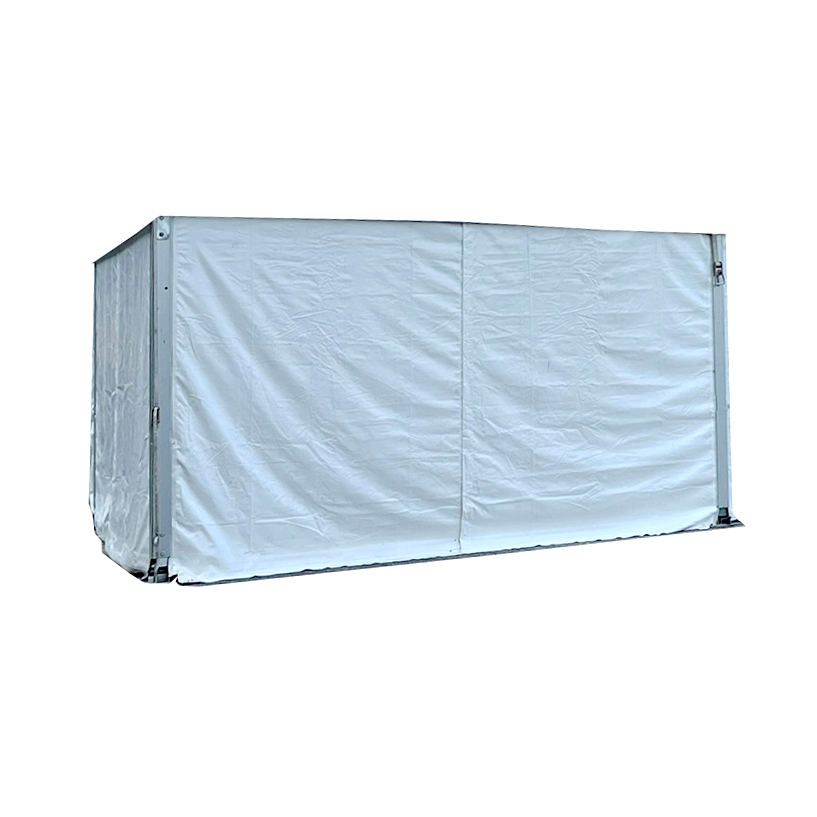
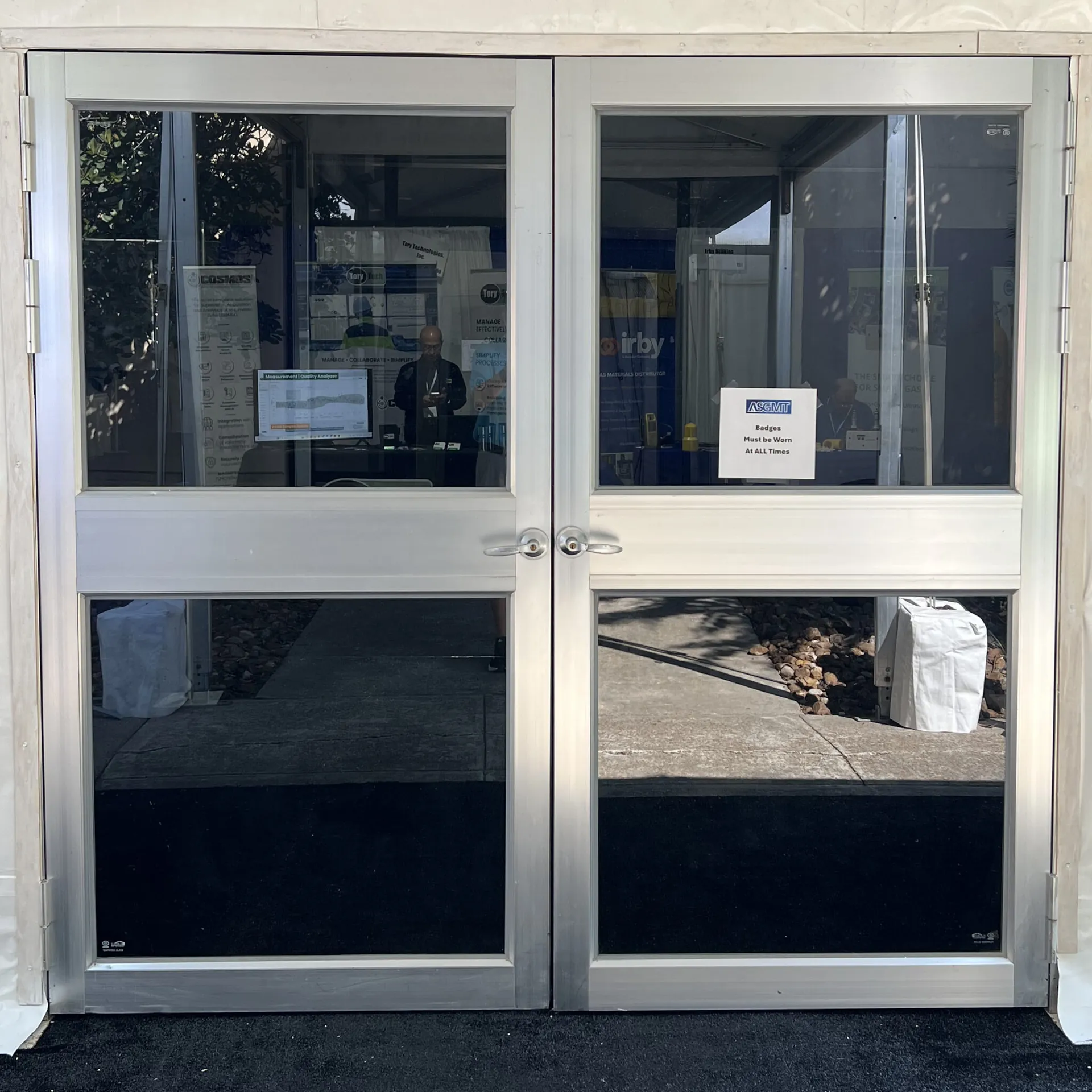
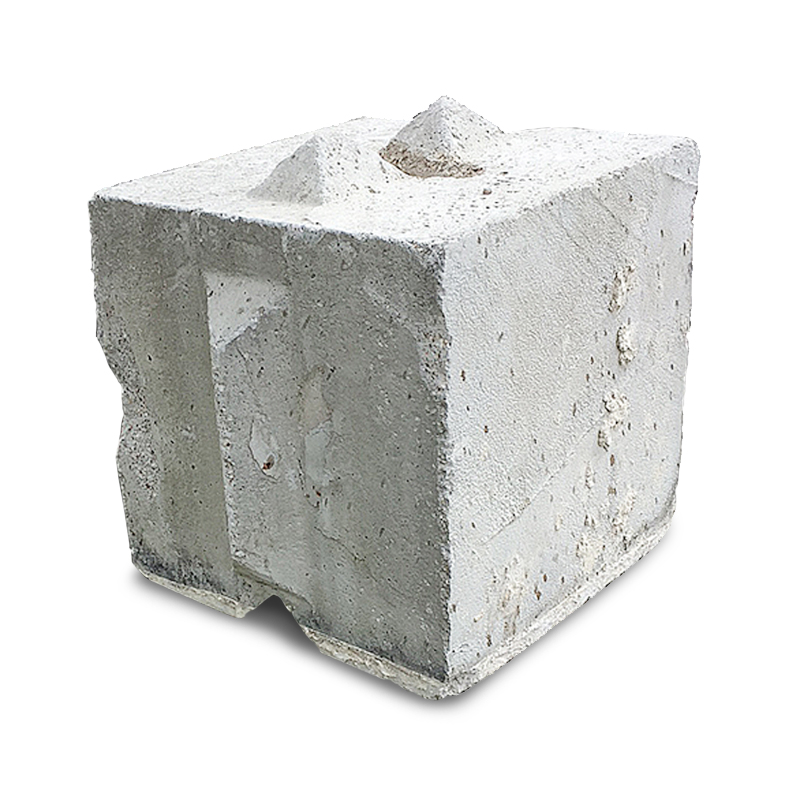
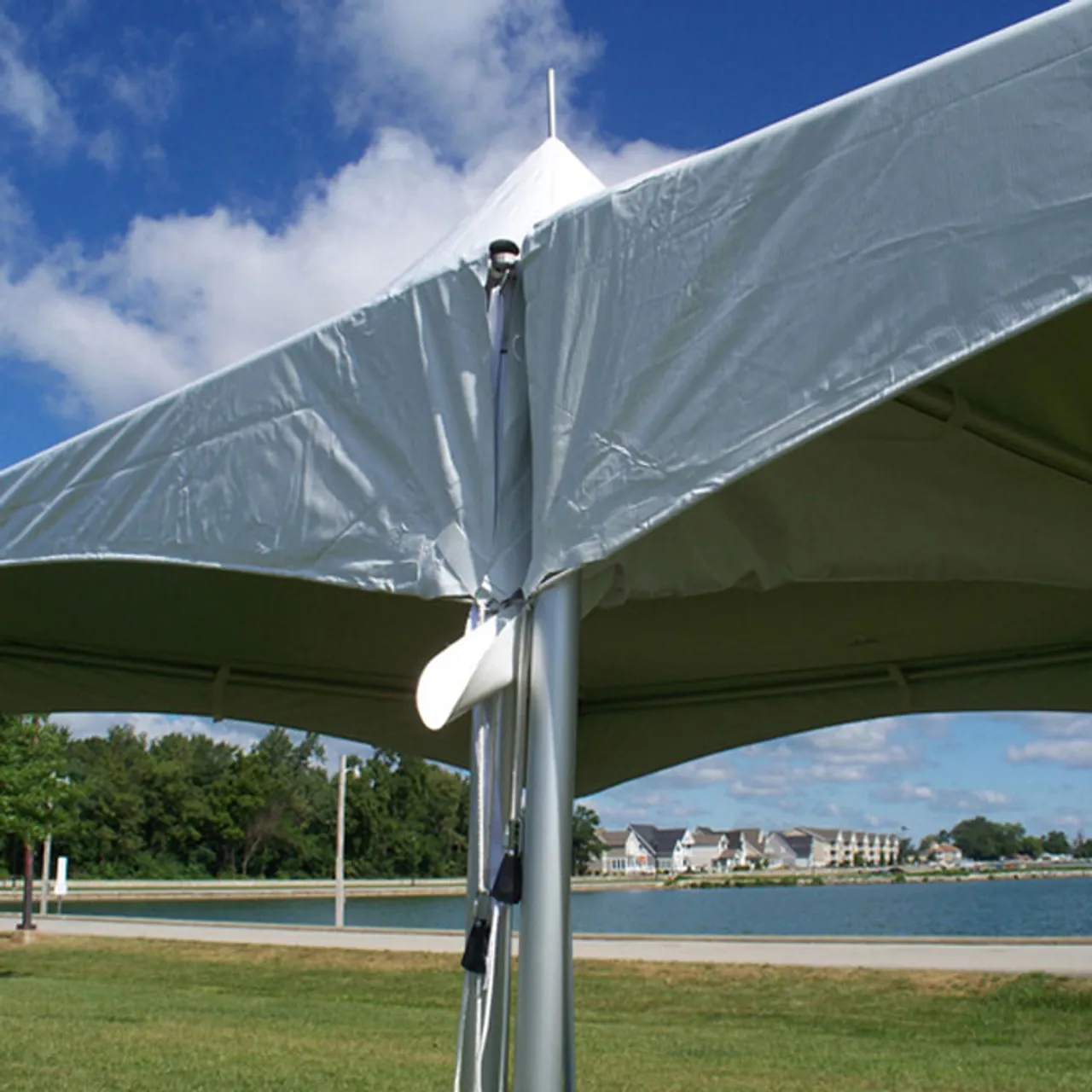
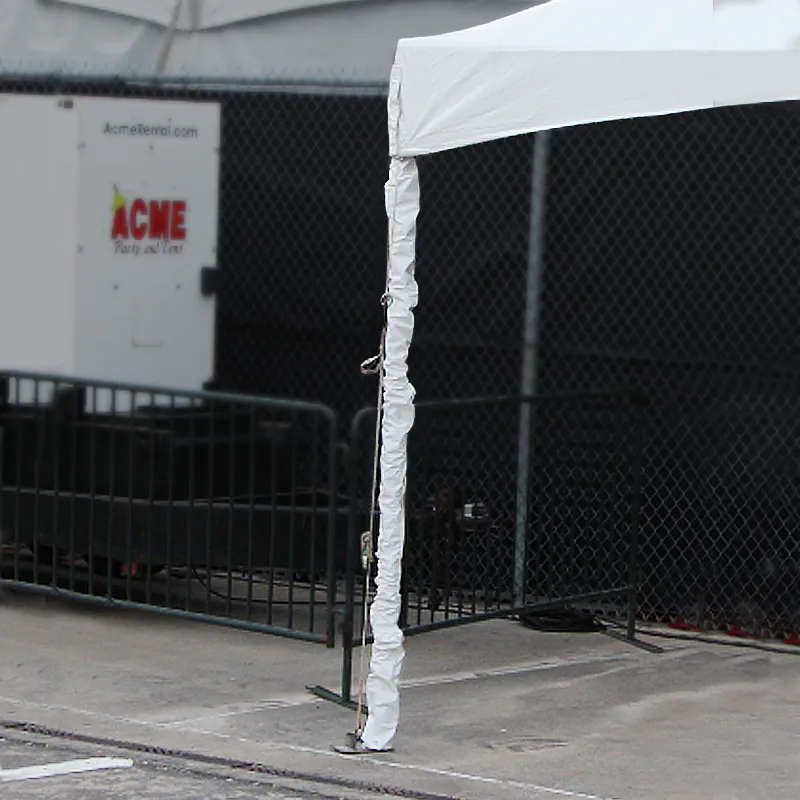
What Is a Warehouse Tent?
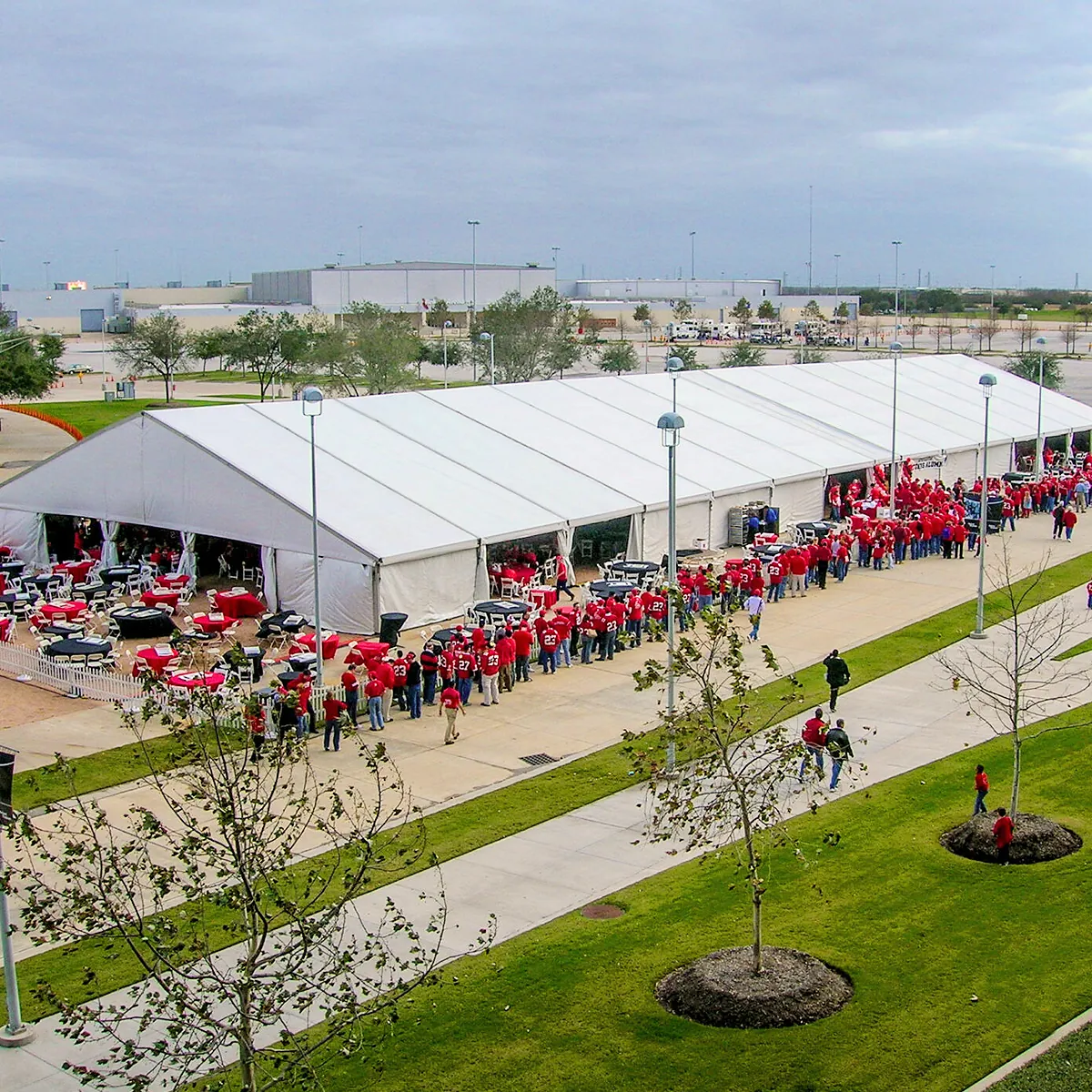
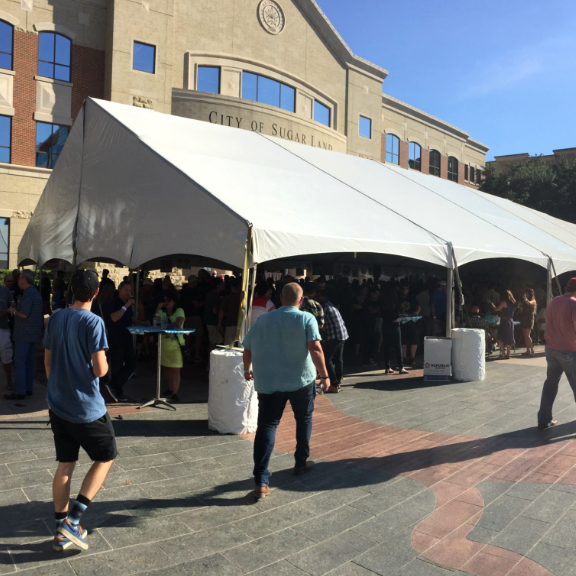
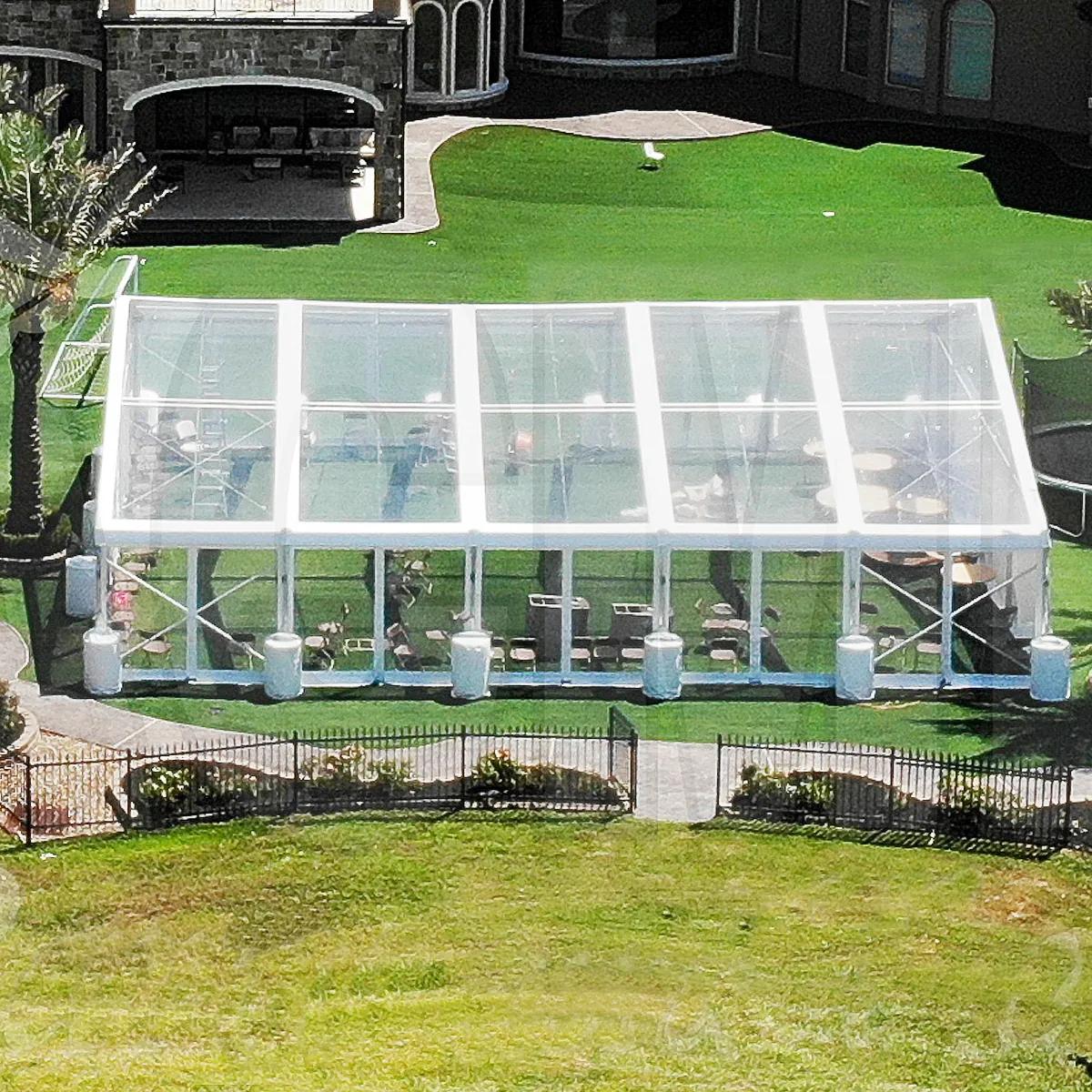
A warehouse tent is a clear-span structure used as storage or working space. Clear span is the important part. There are no interior poles, so the floor is one uninterrupted area. That is what makes it usable for racking, pallets, vehicles or machinery, rather than just cover.
Unlike an event tent, it is specified to stand: heavier frame, engineered anchoring, walls and doors as standard, and construction that expects months of Houston weather rather than one weekend. Businesses reach for one when they need space faster than they can build it, cheaper than they can lease it, or only for as long as a particular job lasts.
Under the hood it is a structure tent or, for the largest spans, a Keder track structure, fitted out for work rather than for guests.
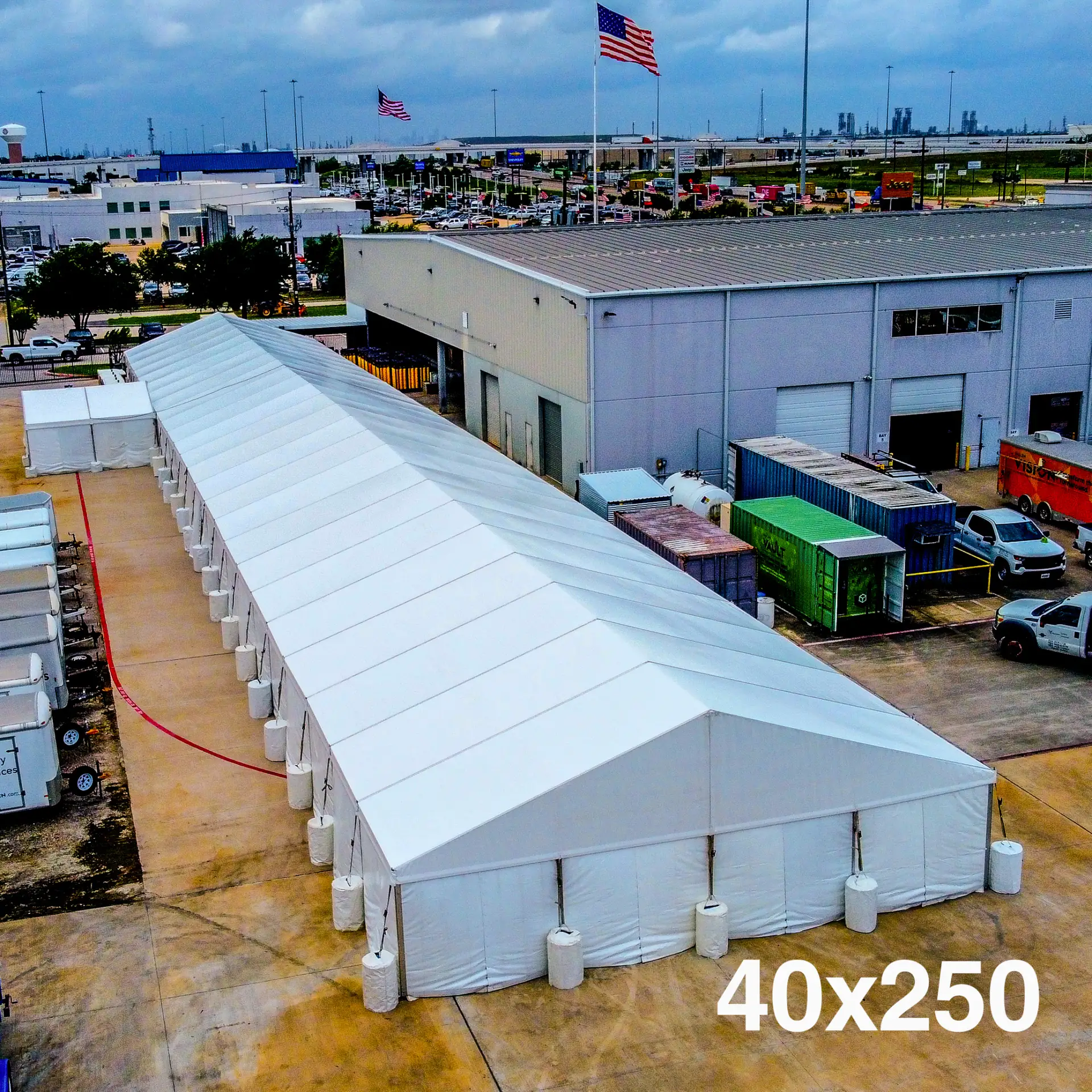
What Do Businesses Store and Do Under Them?
Anything that needs to be out of the weather and near the work. Inventory overflow is the common one, but the working uses matter just as much:
- Inventory and pallet overflow: seasonal stock, raw materials, finished goods waiting on transport
- Equipment and vehicles kept under cover during projects
- Parts staging for turnarounds, laid out next to the plant rather than across town
- Covered workspace, assembly, sorting and distribution
- Temporary operations while a damaged building is out of service after a storm or facility failure
What a warehouse tent is not, by default, is a sealed, climate-stable environment. If your stock needs conditions, plan climate control as part of the structure.
When Does a Warehouse Tent Beat Building or Leasing?
Three situations, mostly.
When the need is temporary. A seasonal surge, a turnaround, a contract with an end date. Signing a multi-year lease for a nine-month problem is expensive in a way that does not show up until month ten.
When the need is urgent. A structure can be standing in days. Warehouse space takes months to find, fit and occupy; a building takes longer still.
When the space has to be where you are. Offsite storage means transport, double handling and time. A tent goes on your own yard, next to the operation that needs it.
If none of those apply and the need is permanent, build. If any of them do, cover is usually the better instrument.
How Big Can a Warehouse Tent Be, and What Does It Need Inside?
Bigger than most people assume, and the way it scales matters. Structure tents come in clear-span widths and extend in bays along their length, so you scale by adding length rather than by finding one enormous tent. Height is the specification people forget: leg height decides whether a forklift can work under the eave, whether racking fits, and whether a truck can back in. Leg extensions add clearance where standard height is tight.
A roof on bare ground is rarely the finished answer for storage. Flooring matters if you are moving pallets or storing anything that cannot sit on dirt. Power means lighting to work by and running whatever is inside. Climate is the Houston question: a closed structure in summer gets hot, and humidity is its own problem for some stock. Solid sidewalls and doors are what turn a covered area into something securable rather than merely shaded.
Tell us what has to fit under it, the machine, the racking, the vehicle, and the structure gets sized to that, not to a floor-area guess. See the Tent Accessories Guide for walls, doors and ballast.
How Long Can It Stay Up? Rent or Lease?
Long enough that the pricing model should change with it. Short-term rental suits a defined window: a turnaround, a season, a project. Once the need runs into months, a long-term lease is usually the better structure, both financially and technically. Leased structures are specified to stand, be maintained and be handed back.
The trap is renting month to month for what turns out to be a year, and paying event-rental economics for warehouse-duration cover. If your timeline is open-ended, say so at the quote stage. ACME’s tent lease program runs from three months up, with flexible financing and yearly discounts. The Multi-Day and Long-Term Planning guide covers the decision.
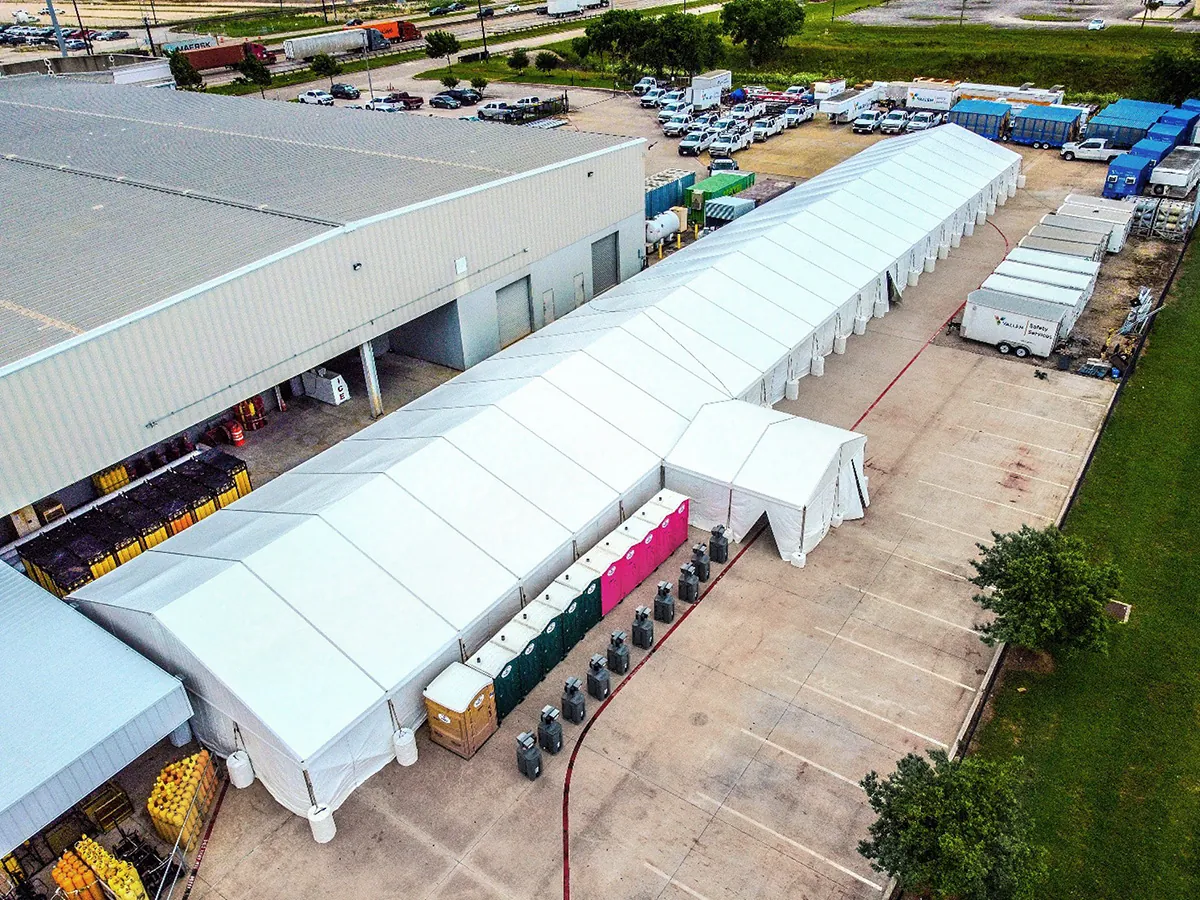
What Does the Site Need, and How Does Install Work?
Warehouse tents are heavier and stand longer, so the site matters more than it does for an event.
- Surface and anchoring: turf can normally be staked; concrete, asphalt and anywhere with services below cannot, so the structure is ballasted and needs clear perimeter space
- Level: a long clear-span structure wants ground that does not fall away under it
- Drainage: decide where a Houston storm sends the water before it decides for you
- Access: truck reach to the setup point drives install time; forklift routes decide whether it is usable once up
Every install is crewed and scheduled around your operation, starting with a site survey, then the quote, permit support where needed, the install and a collection plan. To see the structures, walls and ballast we install, visit our warehouse tent rentals page, or request a quote or call 713-729-2424.
Warehouse Tents for Turnarounds and Emergency Operations
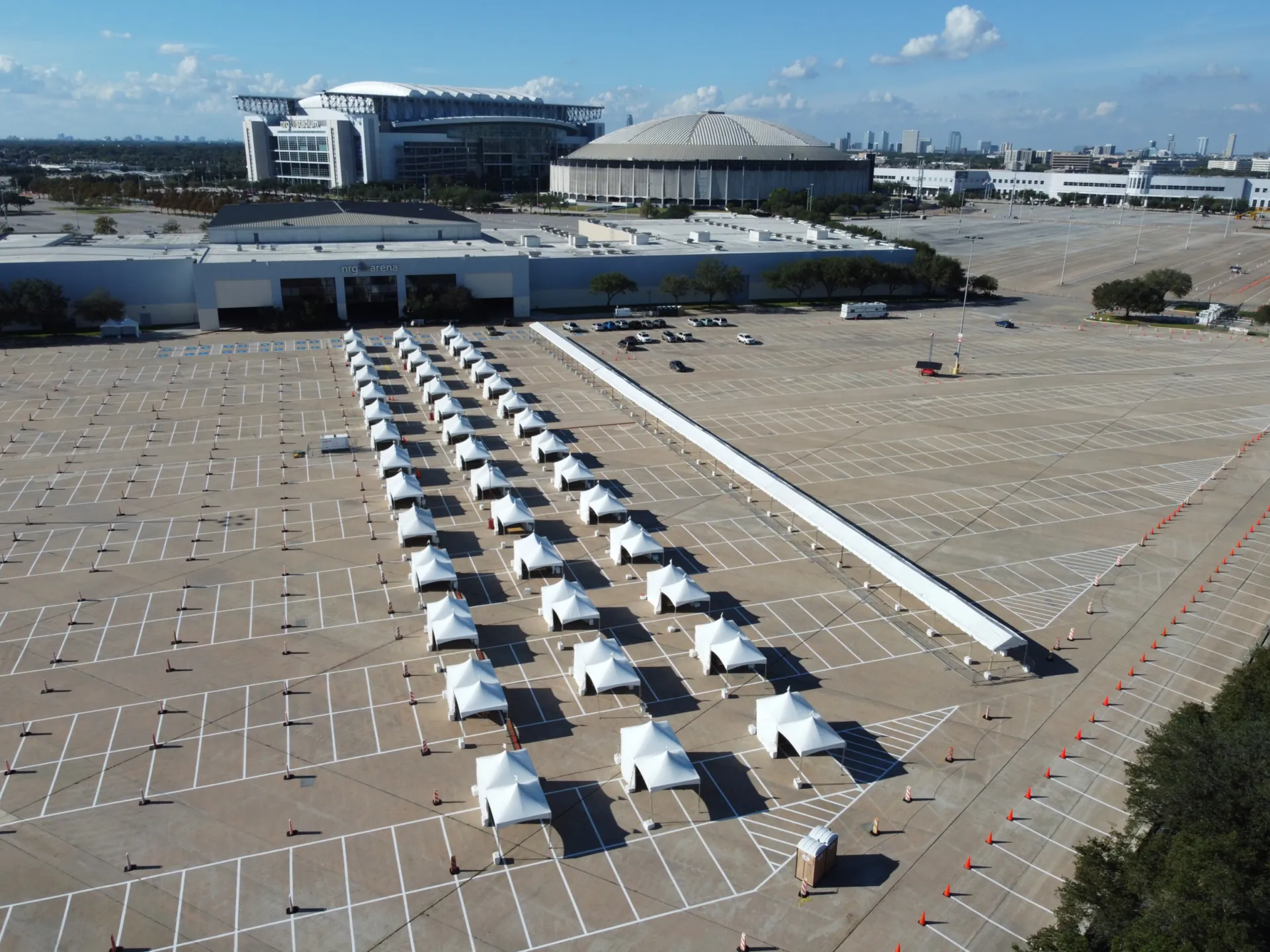
Two uses deserve their own mention. Turnaround and maintenance work at refineries and plants needs parts staged, covered and next to the unit, often on a schedule that cannot slip. A warehouse tent on the plant’s own yard puts everything where the crews are, with lighting and power to work by.
Emergency operations are the other. When a storm or a facility failure takes a building out of service, a warehouse tent becomes the temporary operation so the business keeps running while repairs happen. ACME’s 24/7 Quick Response Team handles those deployments. The Disaster Preparedness guide explains how to plan for that before you need it.
Questions to Answer Before You Call
The structure gets sized to what has to fit under it, so the more of this you know, the faster the quote.
- What has to fit under it: pallets, racking, vehicles, machinery, or people working?
- How long do you need it, and could that timeline run past a few months?
- What is the surface, and is the ground level?
- Does the stock or the work need climate control, or just cover?
- Can a truck reach the site, and where will forklifts move in and out?
- Is this planned, or is it urgent? Urgent requests go to 713-729-2424, ext. 22
Put the space where the work is
Tell us what has to fit under it, how long you need it, and where. We will survey the yard, size the structure and quote it as a rental or a lease.
Frequently Asked Questions
An engineered temporary structure, typically a clear span structure or Keder track tent with solid sidewalls, used as covered storage or workspace. It installs far faster than permanent construction and can be removed or relocated when the need ends.
As long as the project requires. For extended timelines, ACME offers a tent lease program and long-term industrial site tenting with structures suited to long-duration use.
Keep Planning

Family-Owned
Serving Houston and the Gulf Coast for decades
Houston & Gulf Coast
Delivering across Southeast Texas
24/7 Quick Response
Disaster relief & emergency deployments
One Vendor
Tents, furniture, power, climate & service
Plan your next event with ACME and let us worry about the details!
From corporate gatherings to a festival for thousands, ACME’s event specialists will walk you through the entire process.