Festival Marquee Tents: Event Infrastructure With a Peak
High peak frame tents built to be deployed in numbers. What they are, what they cover, and how a festival footprint gets planned.
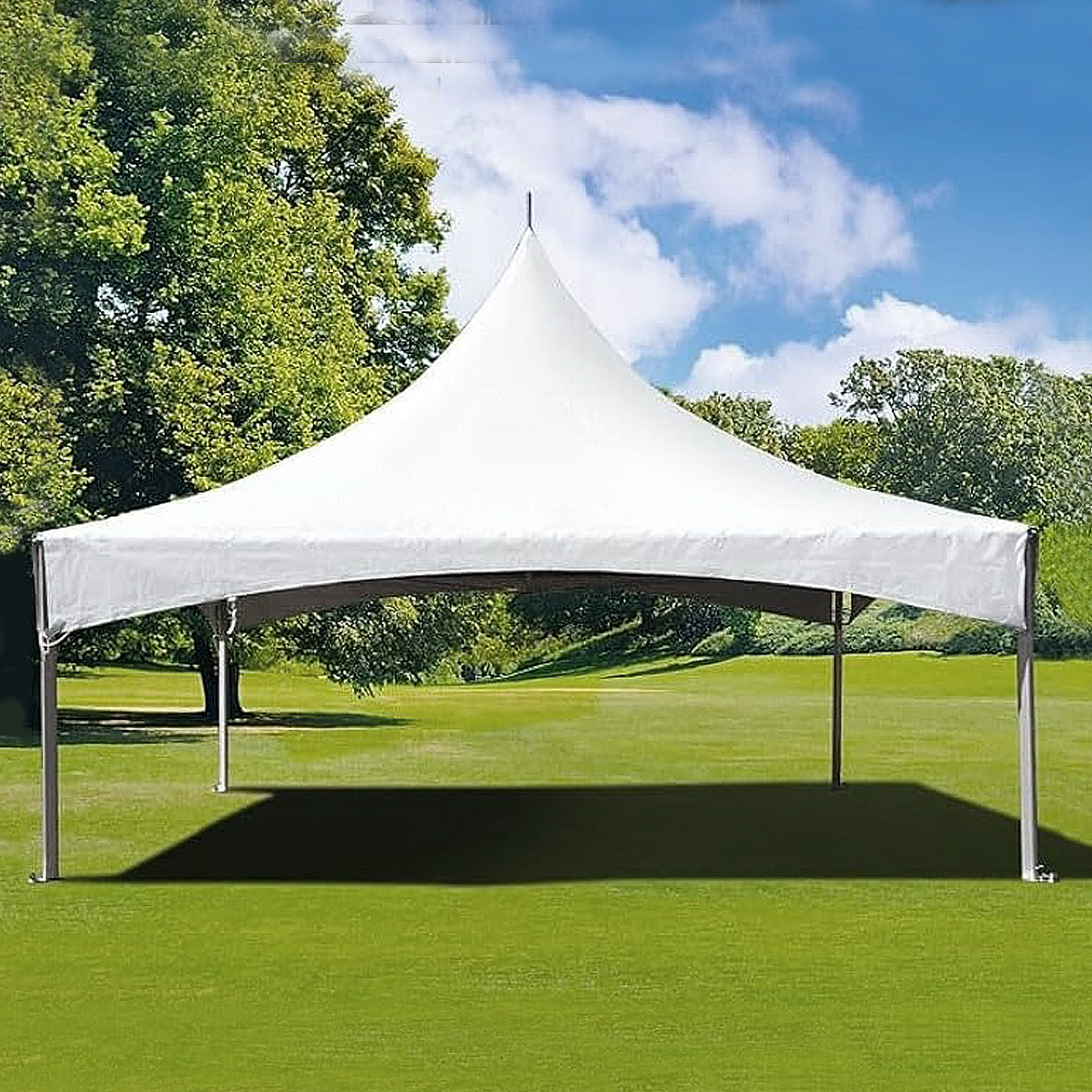
Festival marquee tents are high peak frame tents built to be deployed in numbers. The peak is not just styling. It gives headroom, sheds water fast, and creates a silhouette people can find from across a field. Underneath is a clear-span frame with no interior poles, so a vendor can lay out a stall or a caterer can work without a leg in the middle of the space. This guide explains what festival marquee tents are, what they cover, and how to plan a footprint built from them.
Browse Festival Marquee Tents and Accessories
The high peak tents, frame tents and festival-ready accessories in the ACME rental catalog. Add them to your quote, or open the full Festival Marquee Tents rental page.
What Is a Festival Marquee Tent?
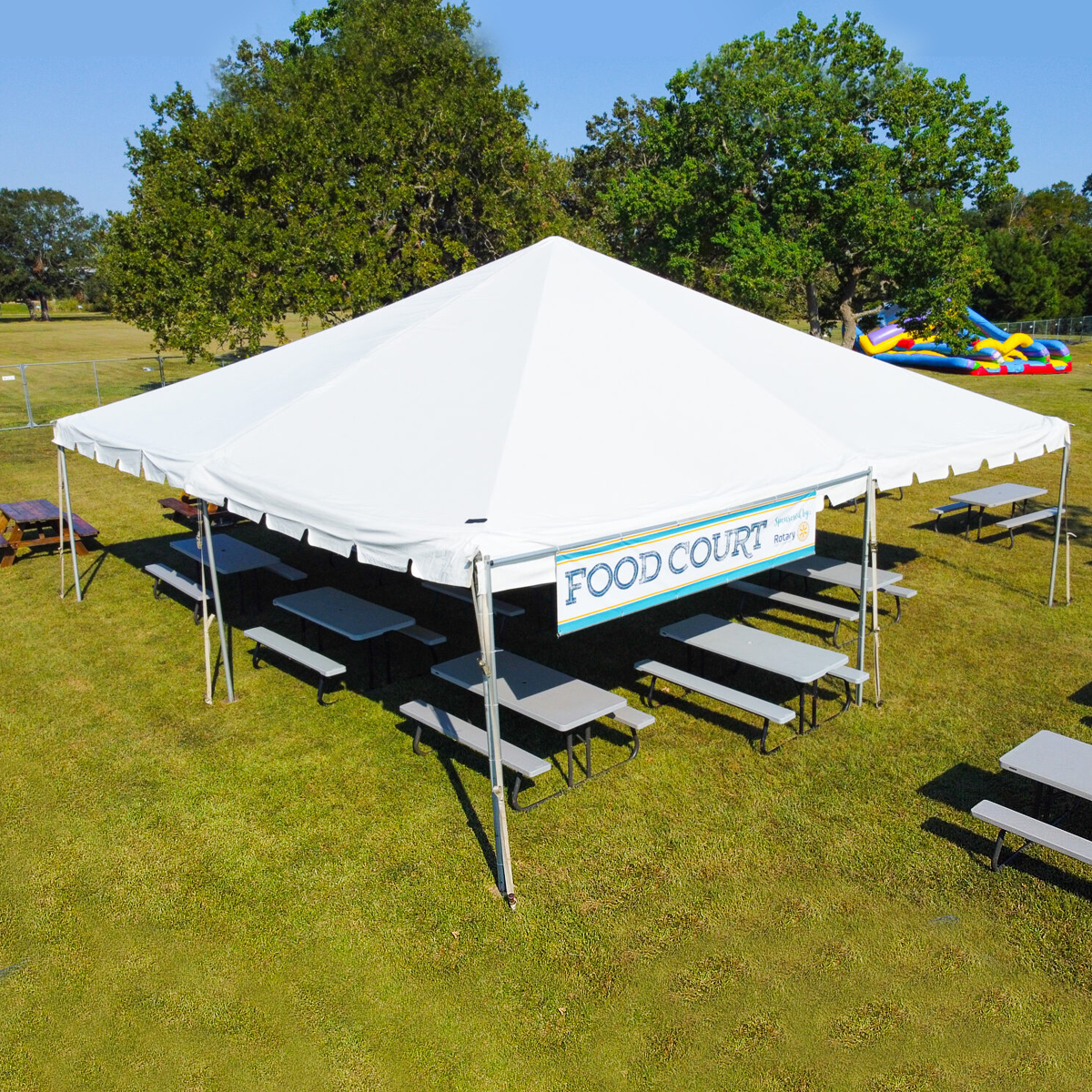
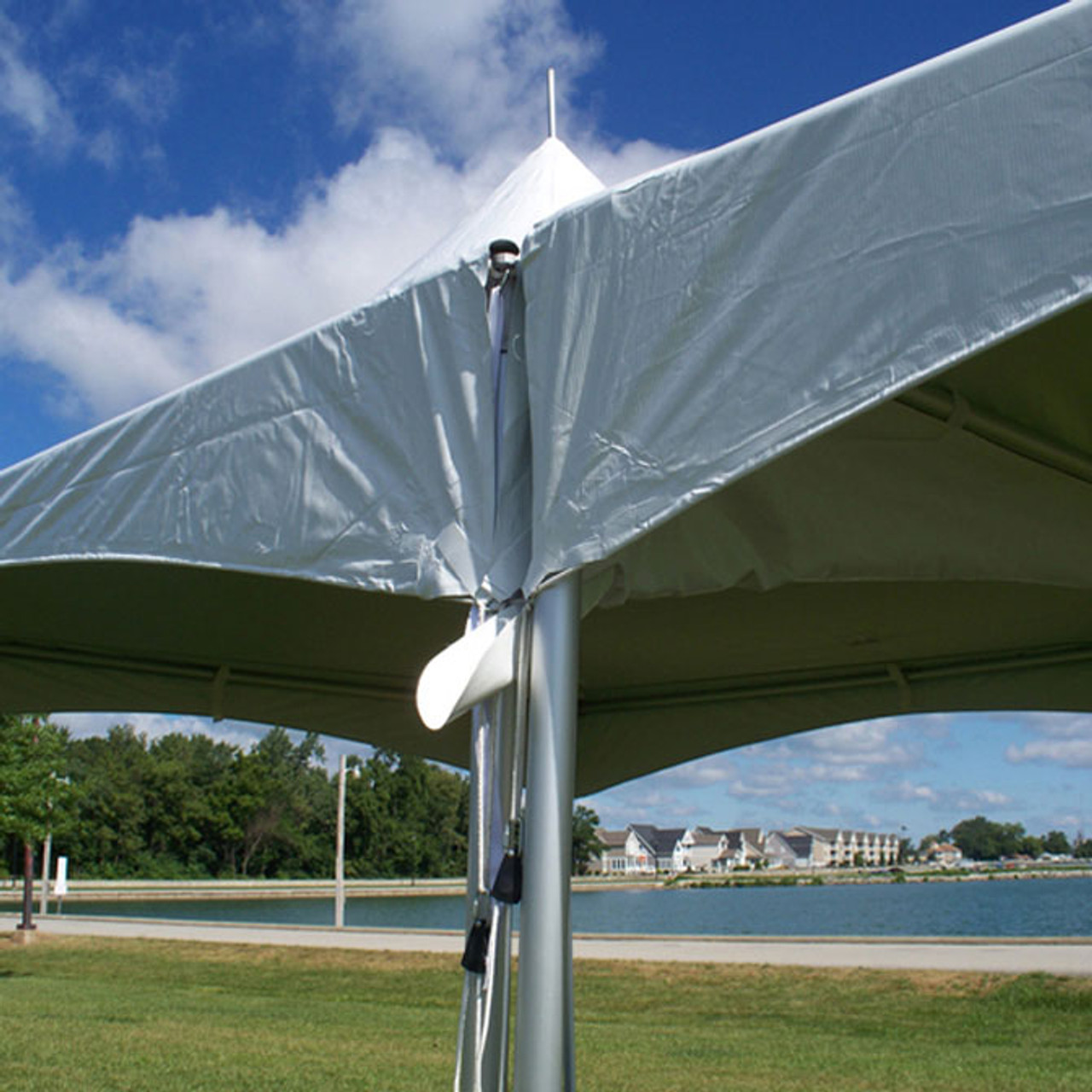
A festival marquee tent, also called a high peak tent, is a frame tent with a tensioned peak that creates the classic swooping festival silhouette. The peak gives height, sheds rain quickly, and reads as an event from a distance, which matters when guests are navigating a field rather than a lobby.
Like every frame tent, it is clear span inside. No center pole, so a stall, a bar or a registration desk can use the whole footprint. It installs on grass, asphalt or concrete, and it goes up fast.
Festival marquees come in a range of sizes, which is what makes them scale. For the large structures they pair with on a festival site, see the Structure Tent Guide.
What Do You Cover at a Festival?
More than the obvious. Every stall needs cover, and matching tents keep the row looking intentional. Then there are the areas people forget until the day. On a typical Houston festival, fair or market site, marquee tents cover:
- Vendor rows and concessions
- Gates, ticketing and registration, where lines form and paperwork gets rained on
- Food service, for health reasons as much as comfort
- First aid and information points
- Sponsor and VIP areas
- Back-of-house for staff, stock and equipment that cannot get wet
- Sports days, school events and markets with many small activities
Why Do Festivals Use Many Small Tents Instead of One Big One?
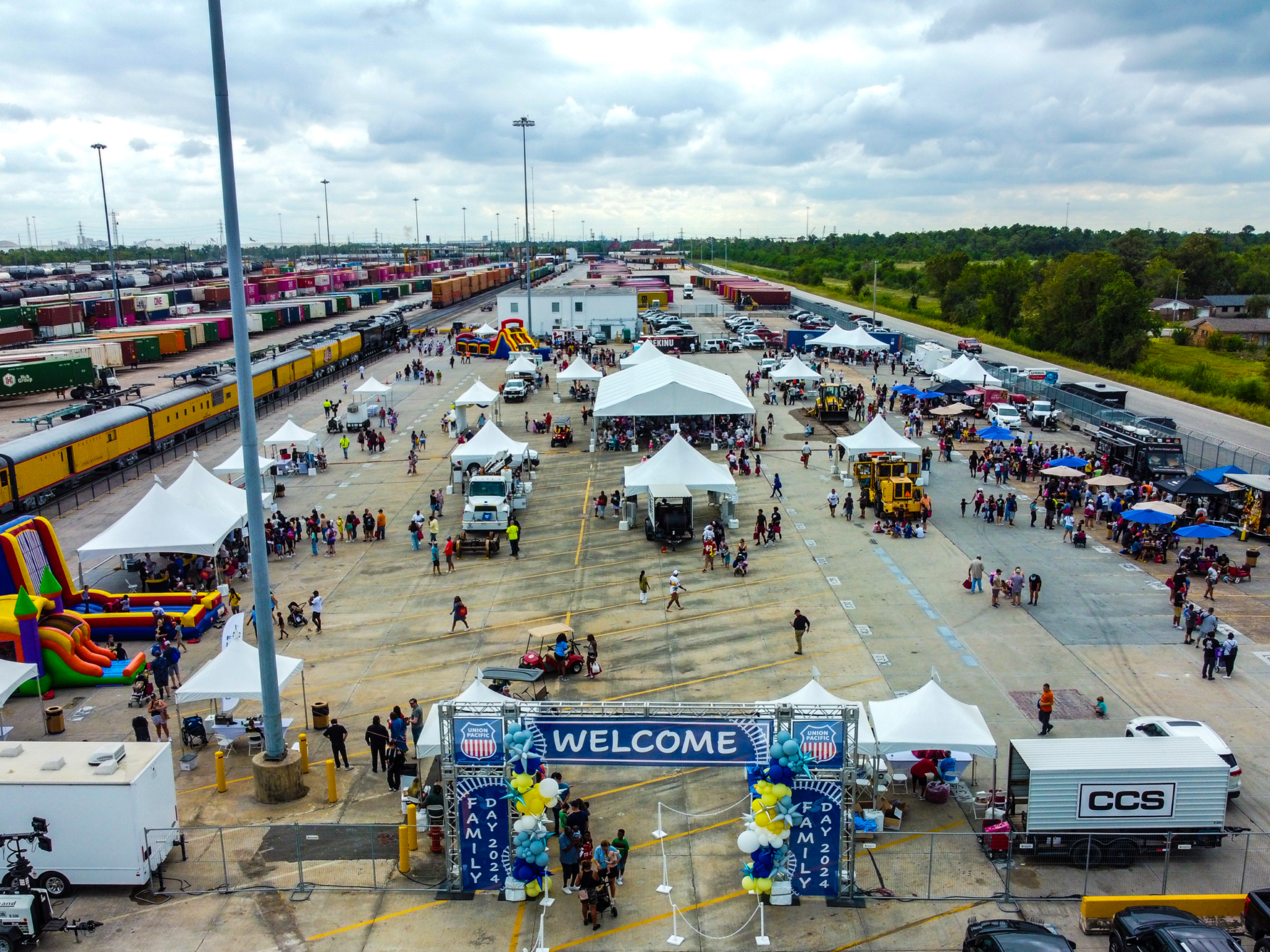
Because a festival is not one room. It is a dozen small operations spread across a site. Registration, vendor rows, food, first aid, sponsors, back-of-house, a stage: each needs cover in a different place, at a different size, facing a different way. One large tent cannot do that; a run of marquees can.
Repetition also de-risks the build. Marquees go up fast and independently, so a weather delay or a late vendor does not stall the entire install. If the footprint changes, and it usually does, you move a tent rather than redesign the site.
The visual argument matters too. A matching run of peaks down a midway reads as a designed event. Mismatched cover reads as improvisation.
How Do You Plan a Festival Footprint?
Start with how people move, not where the tents look good. Entry, exit and emergency routes come first; everything else fits around them. Then the anchors: the stage, the bar, the food. Wherever those are is where the crowd will be, and the space between them is where they will line up.
Vendors go where the foot traffic is, but not so tight that a line at one blocks the next. Back-of-house wants access a truck can reach without crossing the public. The layout drives the tent count, not the other way around, so it is worth doing on paper before anything is quoted.
This is the work ACME’s festival services team does. Our Festival & Large-Event Tent Rentals guide goes deeper on the equipment package around the tents.
What About Wind, Weights and Weather?
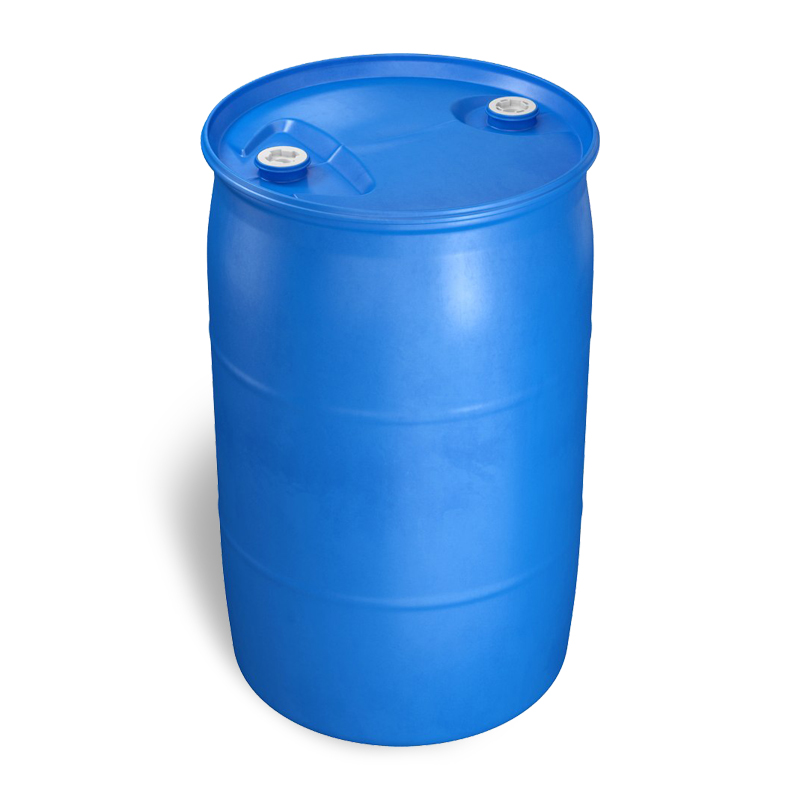
The most common festival mistake is treating anchoring as an afterthought. Every tent on the site has to be secured, and how depends on the surface. Turf can normally be staked. Asphalt, concrete and anywhere with services underground cannot, so those tents are held by ballast: water barrels or concrete blocks, which take space around each tent that your layout has to allow for.
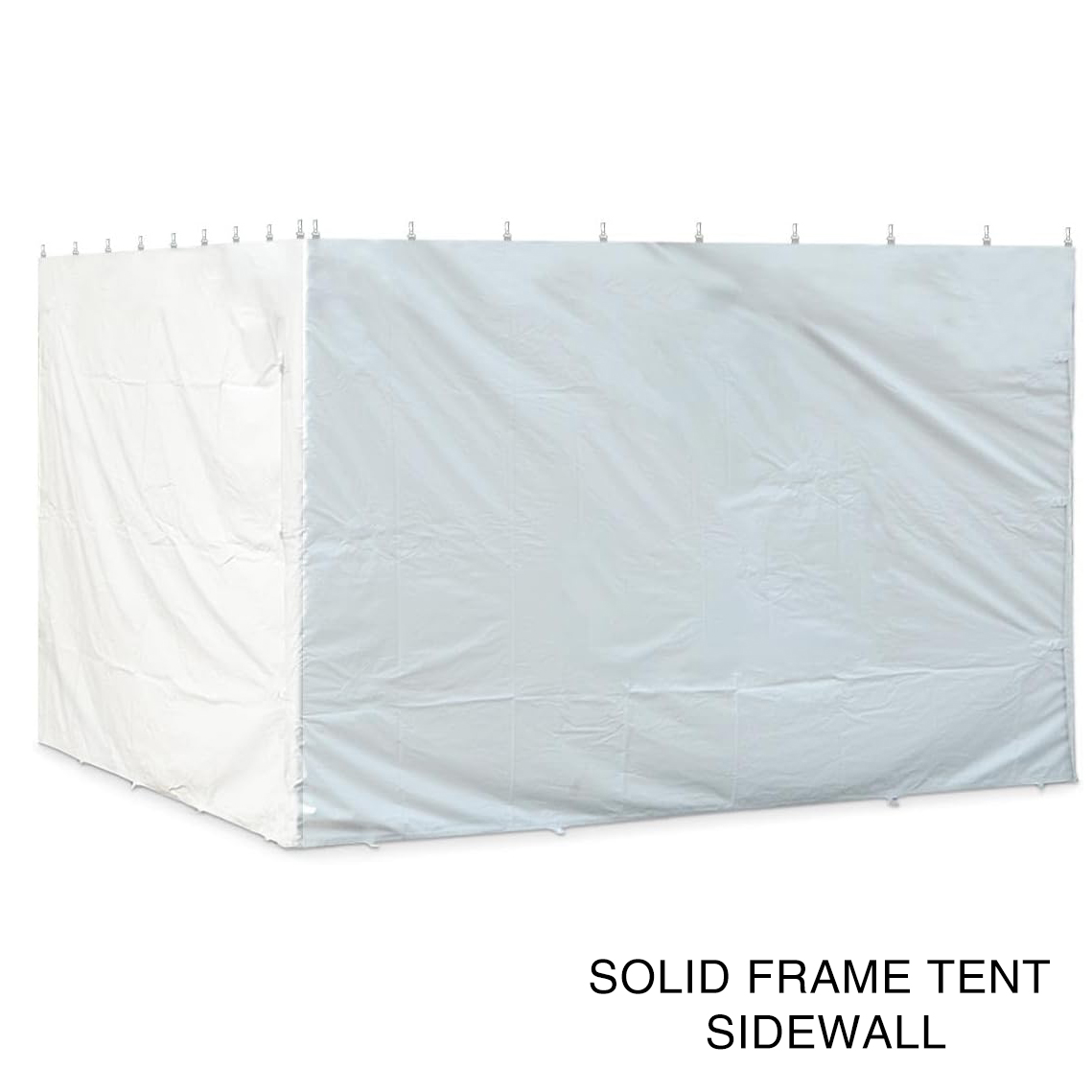
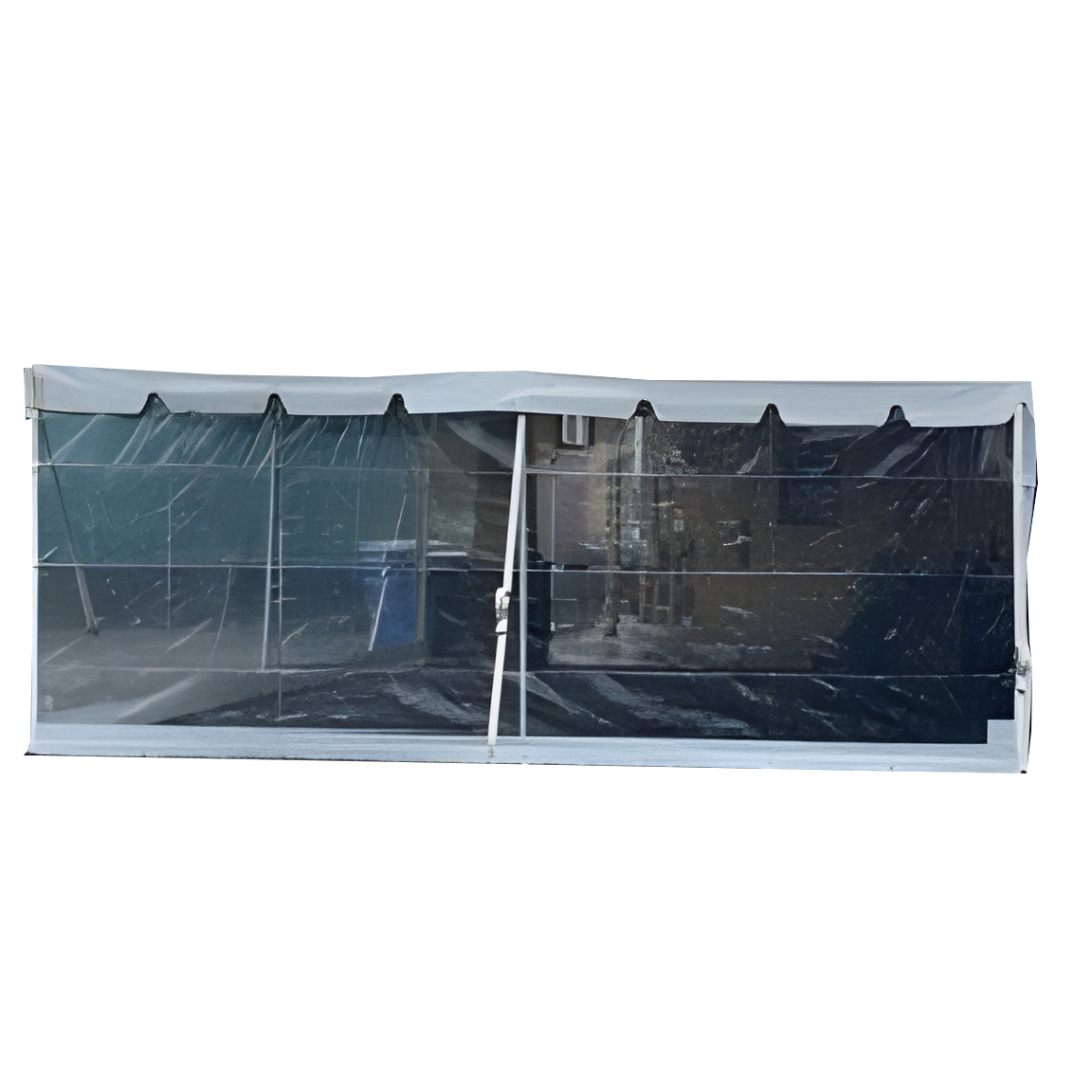
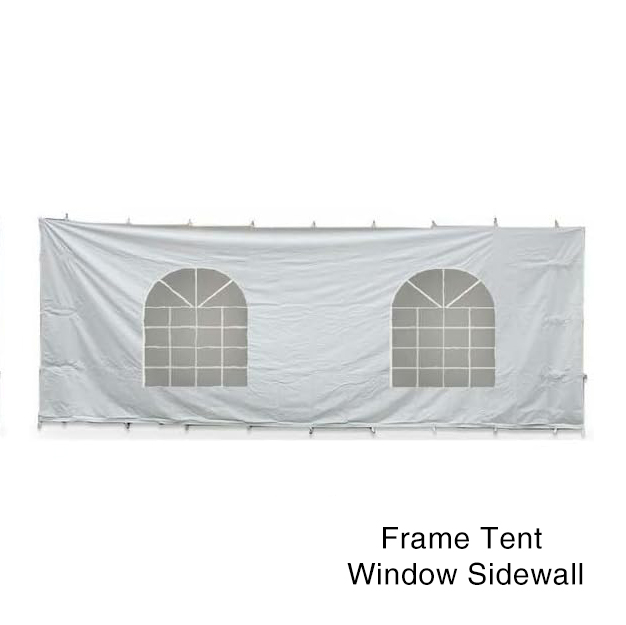
Wind is the real constraint, and it is why weights are not negotiable. Sidewalls change the equation too: a walled tent catches far more wind than an open one, so walls and anchoring get specified together. Rain gutters link tents and move water away from walkways rather than onto them.
If bad weather is forecast, ACME crews can add sidewalls, rain gutters and additional ballast as conditions require. See the Tent Accessories Guide for how each piece is chosen.
What Else Does a Festival Site Need, and Who Handles Permits?
Tents are the visible part. Power is usually the biggest gap: vendors, lighting, sound and refrigeration all draw, and a field has none. Generators and distribution get planned against the actual load. Lighting decides whether the site works after dark. Staging, barricades and fencing route the crowd and protect equipment. In Houston, cooling matters anywhere people wait or sit for long.
Public events, street closures and events in parks commonly require a city special event permit, separate from any tent permit. Tents above a certain size need their own, and larger or enclosed tents can attract fire marshal review. Food service, alcohol, amplified sound and temporary power each bring their own approvals, and review takes time.
Responsibility sits with the organizer; ACME supplies the tent specifications and documentation the applications need. Read the Houston Event Permit Guide early. Ready to lay out your site? Request a quote or call 713-729-2424.
Festival Marquee Tents for Markets, Sports Days and School Events
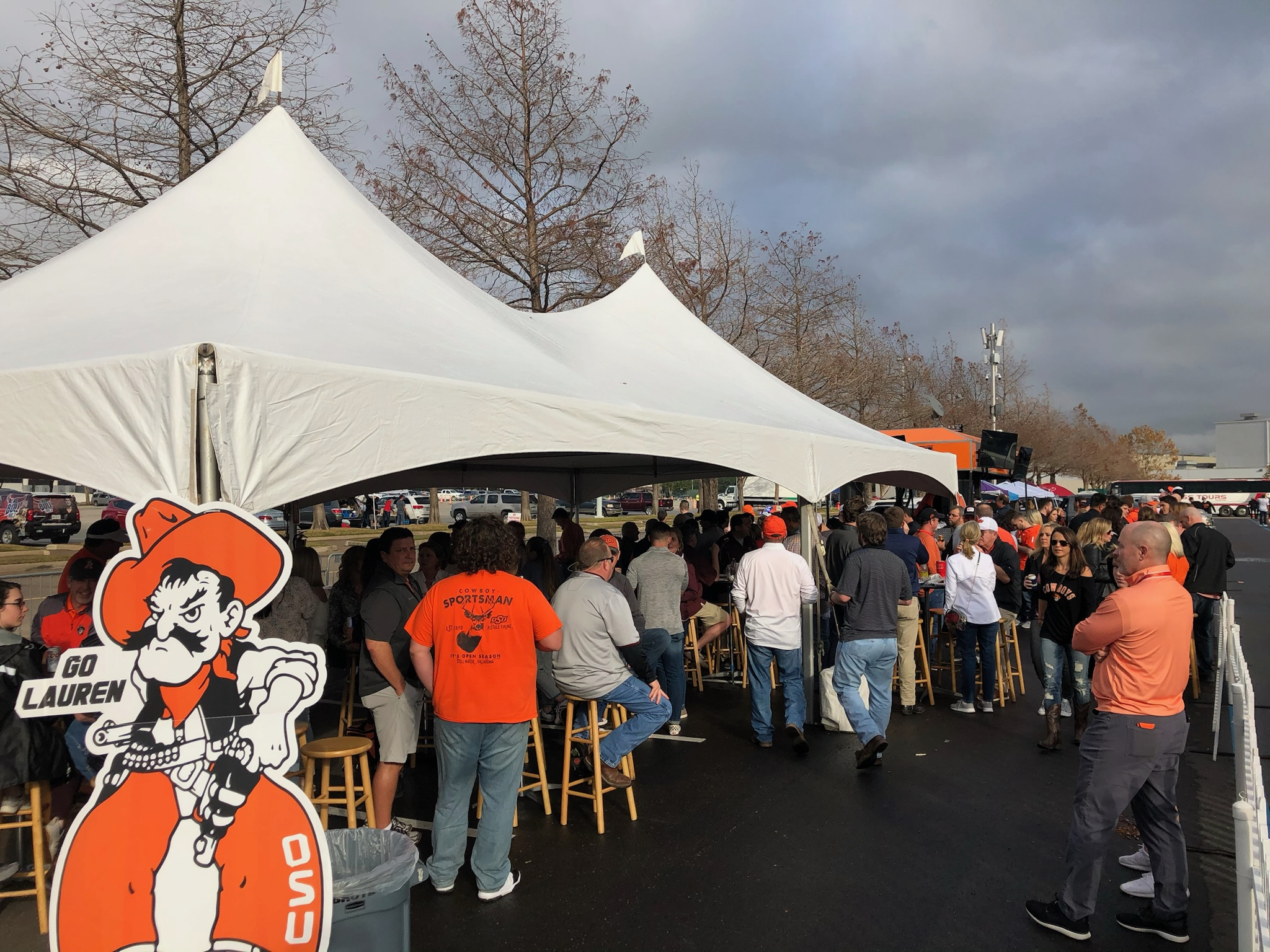
The word festival undersells how often these tents go out. Farmers markets and craft markets use a run of matching marquees for vendor rows. Sports days, tournaments and tailgates use them for team areas, concessions and shade along the sidelines. School events, homecomings and community days use them for registration, food and sponsor tables. Chambers of commerce and nonprofits use them for outdoor fundraisers.
The common thread is many small activities spread across a site, each needing its own cover. For a single large covered room instead, see the Frame Tent Guide or the Structure Tent Guide.
How Does Delivery and Setup Work on a Festival Site?
Festival installs are about sequence as much as equipment. Tents go up before vendors load in, which means ACME’s window sits inside yours, and the site has to be clear when the crew arrives. Truck access across a field, in whatever the weather has done to it, drives how long the install takes. Collection has the same problem in reverse, after the crowd has been on it.
ACME covers Greater Houston and the Gulf Coast, including Katy, Sugar Land, The Woodlands and Galveston. Worth confirming early: surface, access, the build and strike schedule, and whether tents need walls, weights, power or cooling.
Cover the whole festival with one call
Tell us the site, the dates and the vendor count. We will plan the marquee run, the weights, the power and the crowd control, and install it in sequence with your load-in.
Frequently Asked Questions
A festival marquee tent, also called a high peak tent, uses a tensioned peak that creates the classic swooping festival silhouette. It provides shade and weather cover with a distinctive look that works for vendor booths, entrances, VIP areas and party spaces.
Yes. Where staking is not possible, ACME secures festival tents with ballast such as water barrels and concrete weights, so parking lots, plazas and other hard surfaces are all workable festival sites.
A festival is many small operations spread across a site. A run of marquees covers each one where it sits, installs fast and independently, and can be moved when the layout changes. One large tent cannot do that.
Yes. ACME is a single-vendor solution for festivals: tents, staging, dance floors, pipe and drape, tables, chairs, lighting, AV, generators, climate control and stanchions, all delivered and installed by our crews.
Our team monitors installations closely and can add sidewalls, rain gutters and additional ballast as conditions require. ACME also operates a 24/7 Quick Response Team for emergencies.
As soon as your date and site are confirmed. Festival season weekends book up quickly, and early planning gives us time for site visits and a coordinated layout.
Family-Owned
Serving Houston and the Gulf Coast for decades
Houston & Gulf Coast
Delivering across Southeast Texas
24/7 Quick Response
Disaster relief & emergency deployments
One Vendor
Tents, furniture, power, climate & service
Plan your next event with ACME and let us worry about the details!
From corporate gatherings to a festival for thousands, ACME’s event specialists will walk you through the entire process.