Commercial Tent Rental in Houston
Commercial-grade structure tents for corporate events, business operations, and industrial sites — installed and serviced by ACME since 1997.
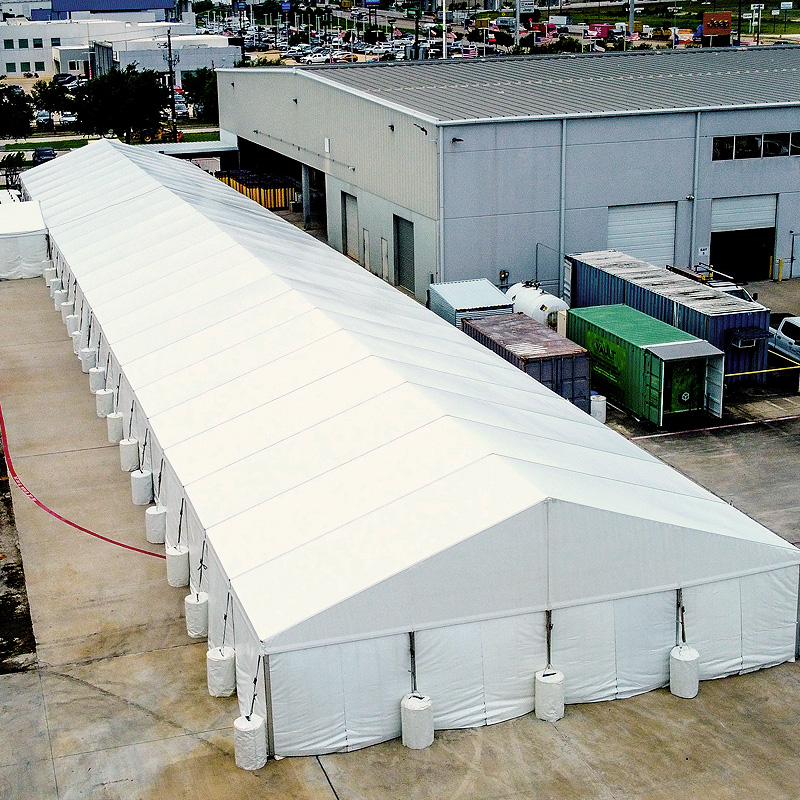
Commercial tent rental covers the jobs where a tent is doing a building’s work — corporate installs, industrial sites, retail activations and anything standing longer than a weekend. ACME has installed clear-span structures across Houston since 1997.
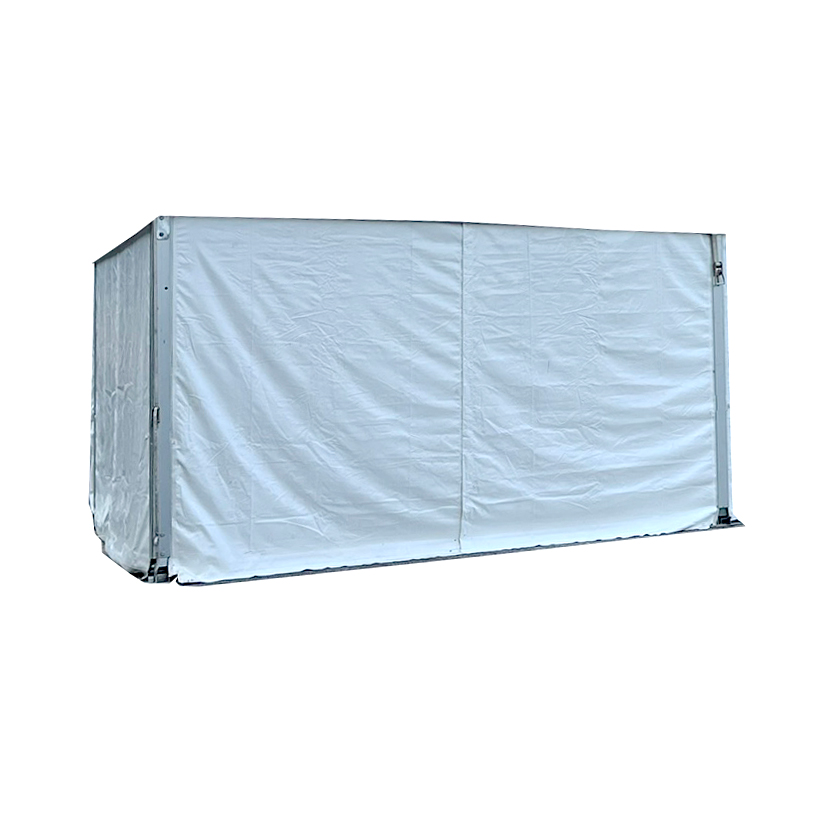
What Counts As A Commercial Tent Rental?
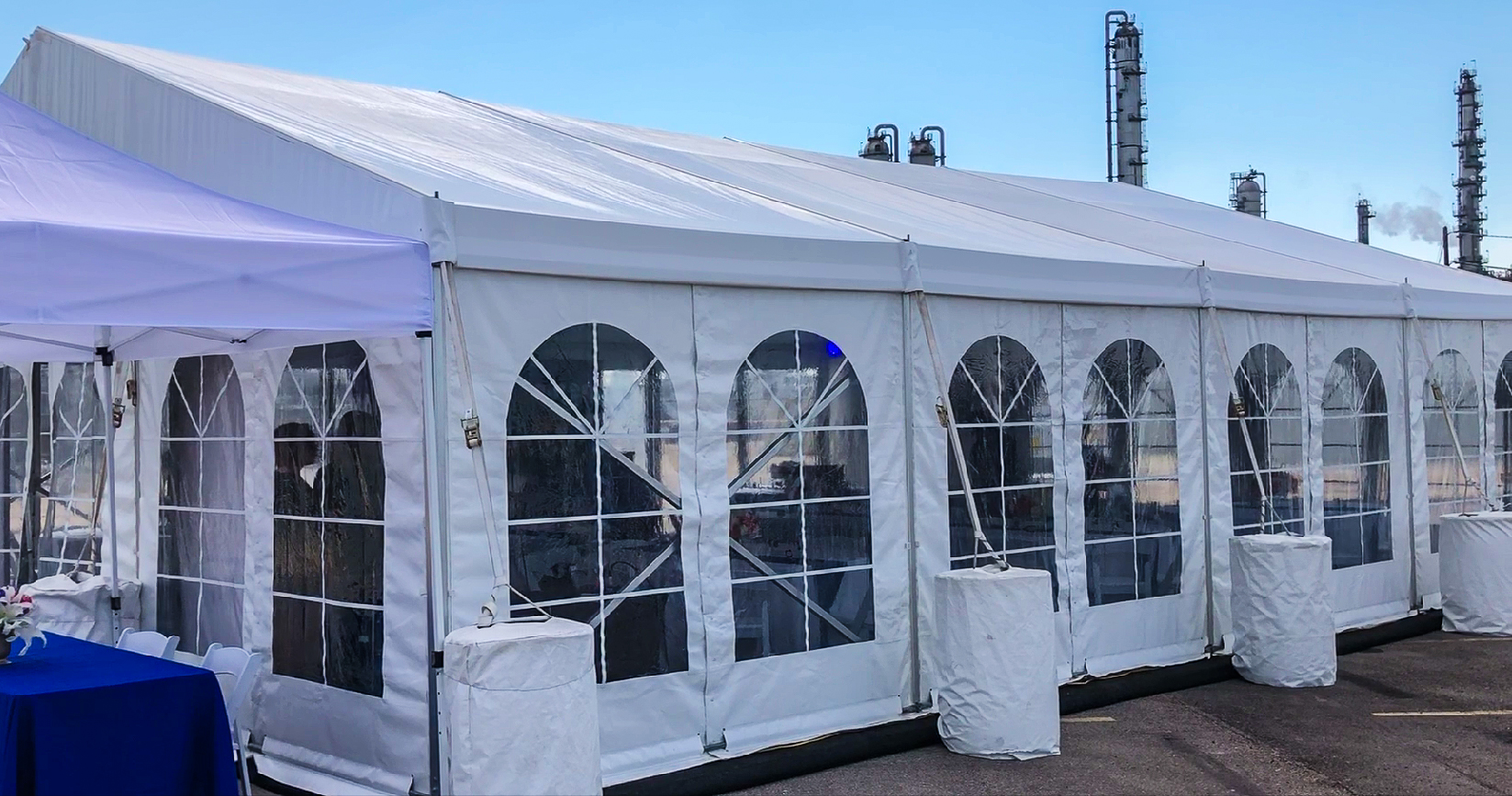
The line is not size — it is duration and purpose.
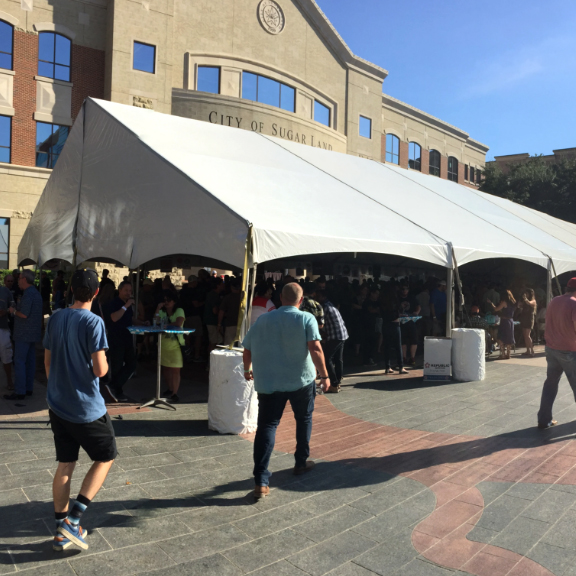
An event tent covers a date. A commercial tent covers an operation: a corporate campus running a month-long programme, a retail activation that has to look permanent, a plant that needs covered workspace while a building is out of service, a site office that has to stand through a season.
That changes what the structure has to be. It is engineered for longer exposure, it usually needs walls, doors, power and climate as standard rather than extras, and it has to satisfy people who are thinking about safety and compliance rather than centrepieces.
If your tent has a job rather than a guest list, it is a commercial rental.
How Do Commercial Tents Differ From Event Tents?
Same principle, different engineering.
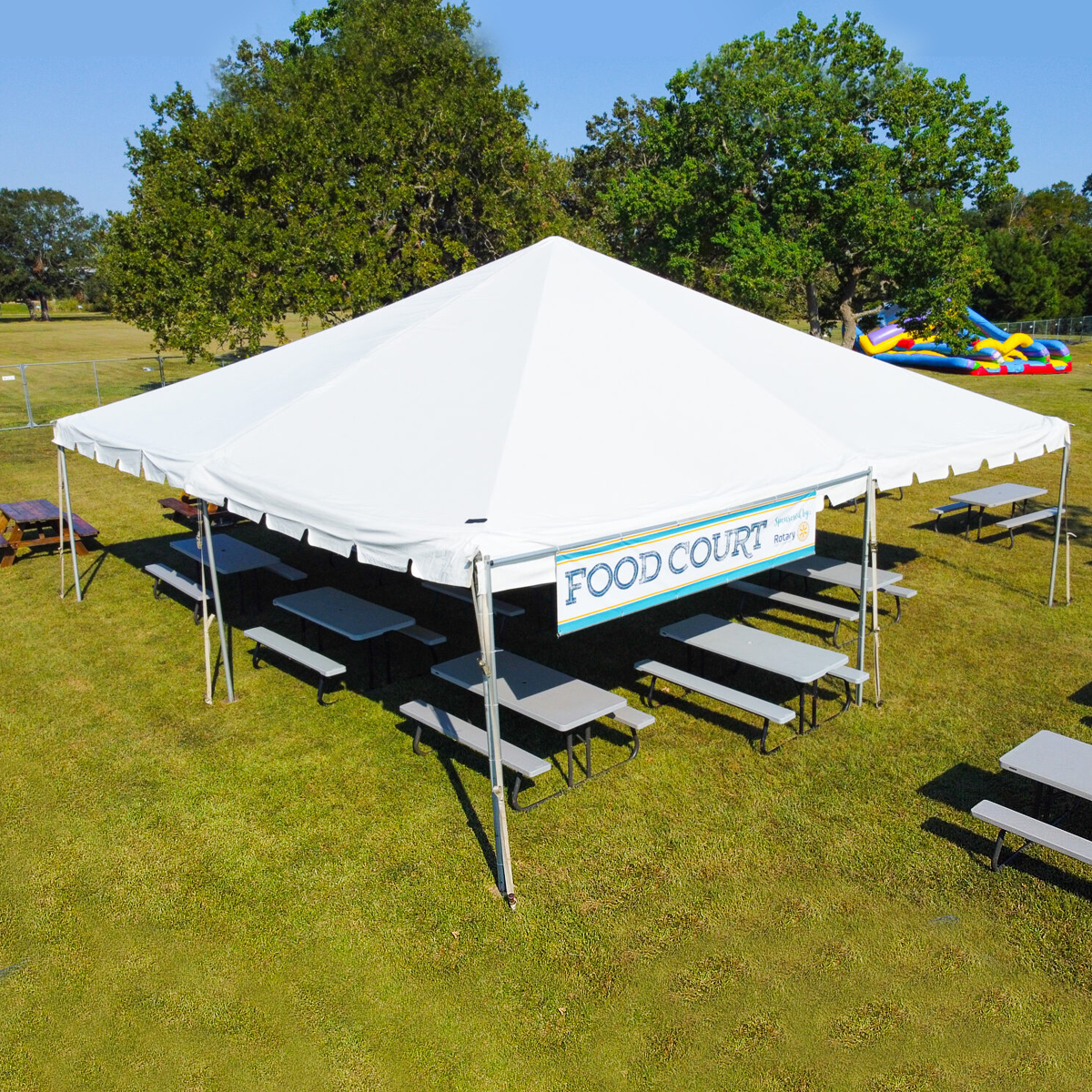
Event tents are built to go up fast, look good and come down again. Structure tents — the backbone of commercial work — are built for span and duration: heavier frames, clear-span interiors with no poles, and construction that tolerates weeks or months of Houston weather rather than one afternoon of it.
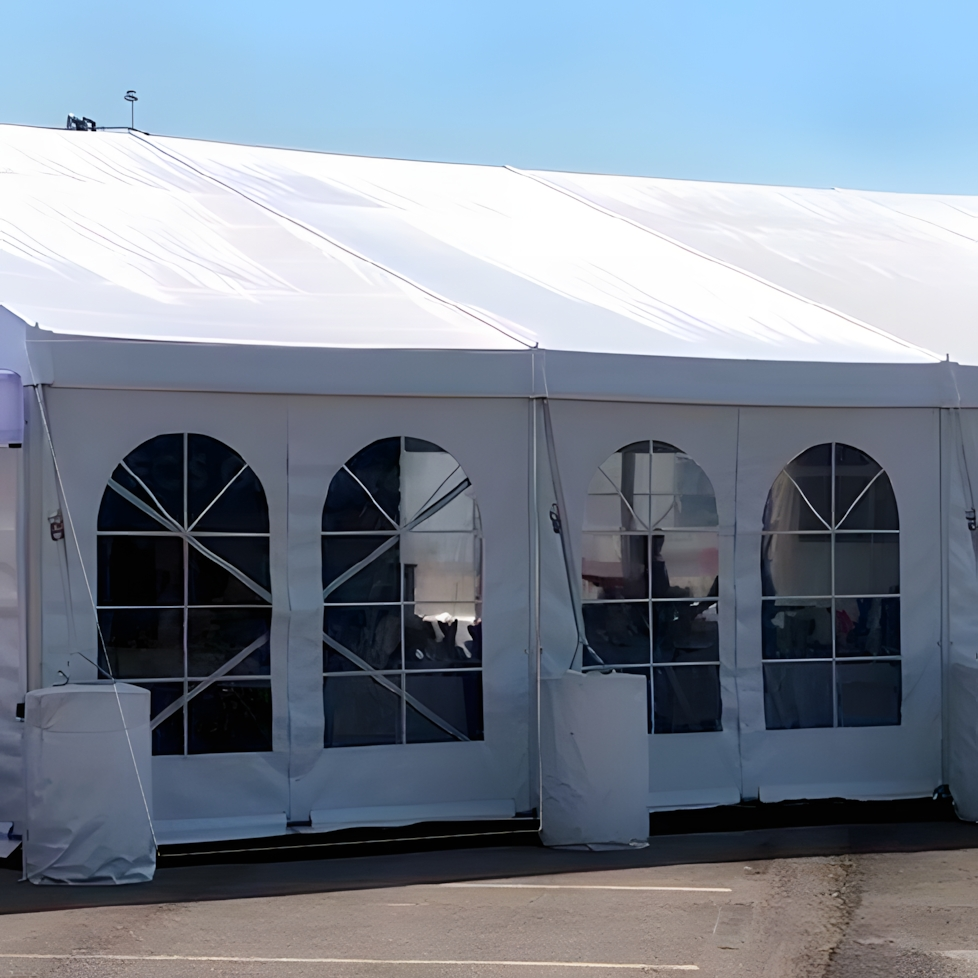
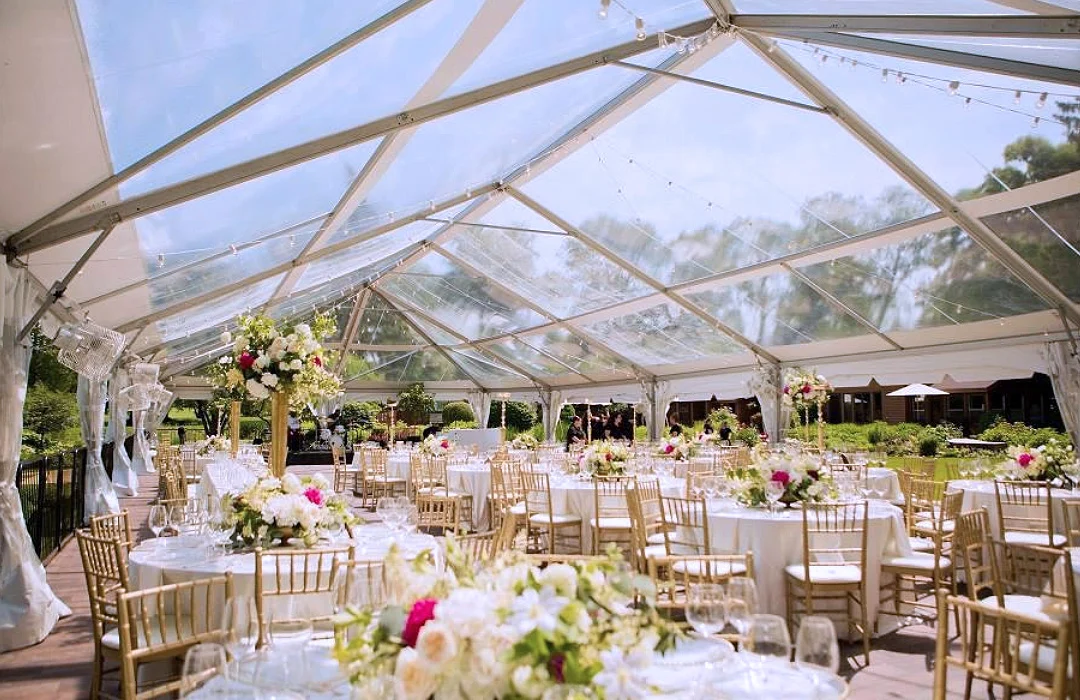
The fit-out differs too. Commercial installs routinely want solid walls, proper doors including glass doors, rain gutters between structures, flooring, lighting and climate control — because people are working under them, not celebrating.
For the largest or most demanding spans, Keder track systems handle what a standard frame cannot.
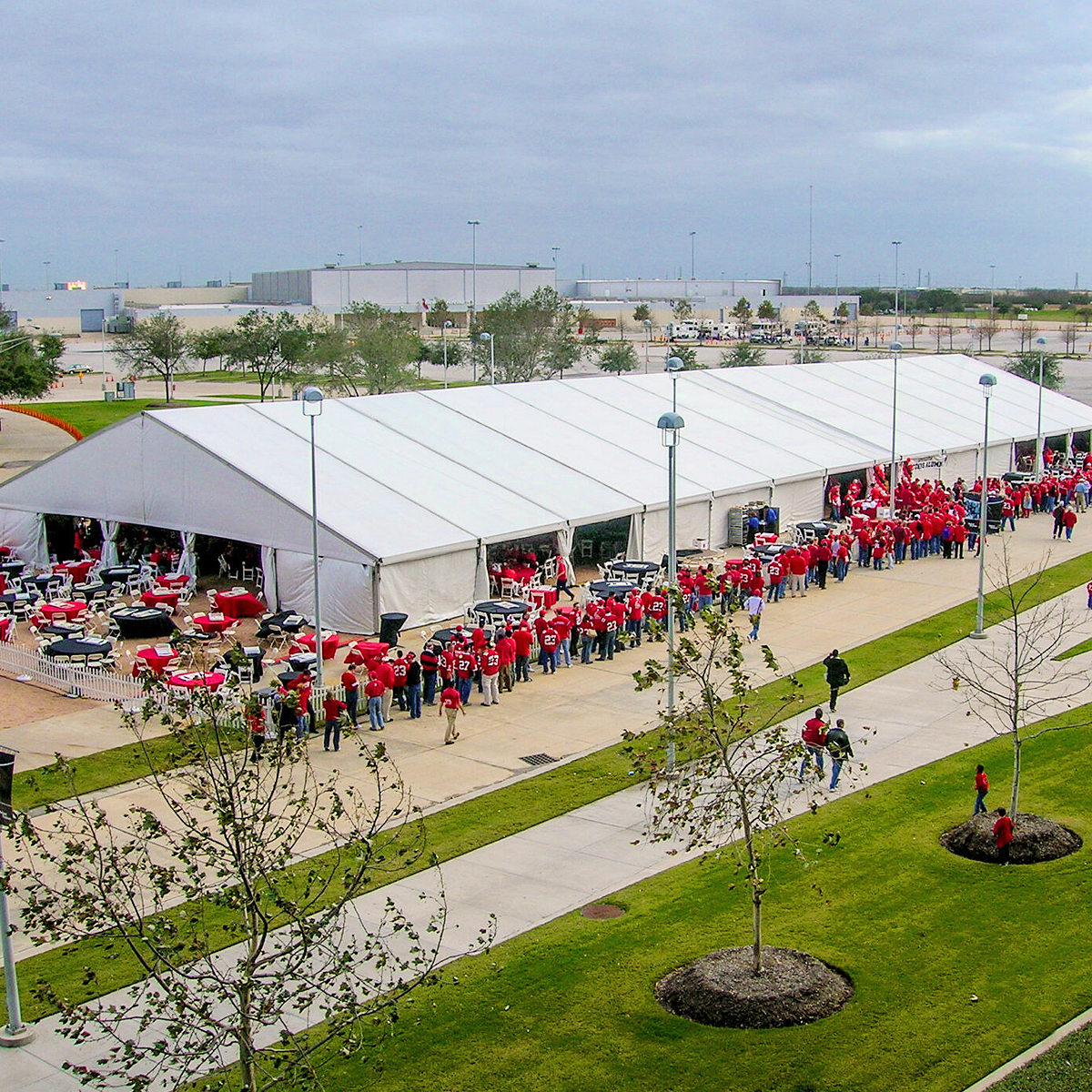
What Do Houston Businesses Use Them For?
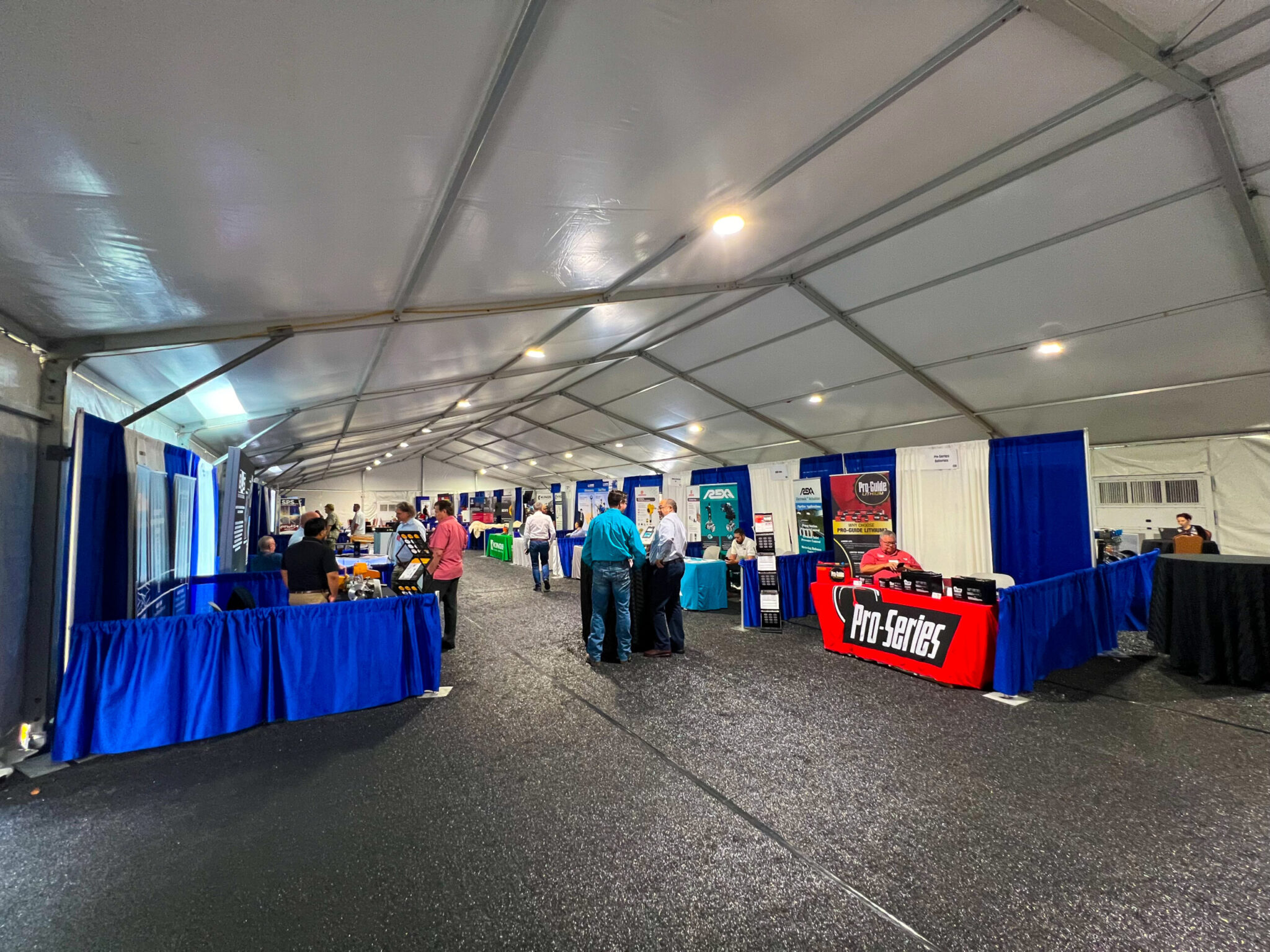
More than most people expect.
Corporate campuses use them for all-hands events, product launches, hospitality and overflow space during fit-outs. Industrial and energy sites use them for turnarounds, covered workspace, parts staging and worker facilities. Retail and brand teams use them for activations that need to look built rather than borrowed.
Then there is the unplanned work: emergency response, where a structure has to be standing within hours because a building is not usable.
The common thread is that the tent is infrastructure. It is not decorating an event — it is replacing square footage the business does not otherwise have.
How Long Can A Commercial Tent Stay Up?
Longer than most people assume — long enough that the question becomes rent or lease.
Short commercial installs run days to weeks. But structures routinely stand for months, and at that point the economics change: a long-term lease is usually the better instrument than a rolling rental, and it changes how the structure is specified, anchored and maintained.
Duration also drives the extras. A tent standing through a season needs to handle wind and rain repeatedly, not once. It likely needs flooring, drainage, and a plan for what happens in a storm.
Tell us how long you need it and we will tell you which side of that line you are on — 713-729-2424.
What About Permits And Fire Marshal Review?
Commercial tents attract more scrutiny than event tents, and the timeline is the thing to respect.
Temporary structures above a certain size generally need a permit, and larger or enclosed commercial tents can require fire marshal inspection covering exits, extinguishers and flame certificates. Requirements differ between the City of Houston, unincorporated Harris County and each surrounding municipality — and permit review takes time, sometimes with an inspection scheduled before your date.
The organiser holds responsibility for permits. We supply the tent specifications, drawings and flame certificates those applications ask for, and we flag early when a planned structure is likely to need review.
Start with our Houston permit guide, then verify with your jurisdiction.
What Site Conditions Matter?
The site decides more about a commercial install than the catalogue does.
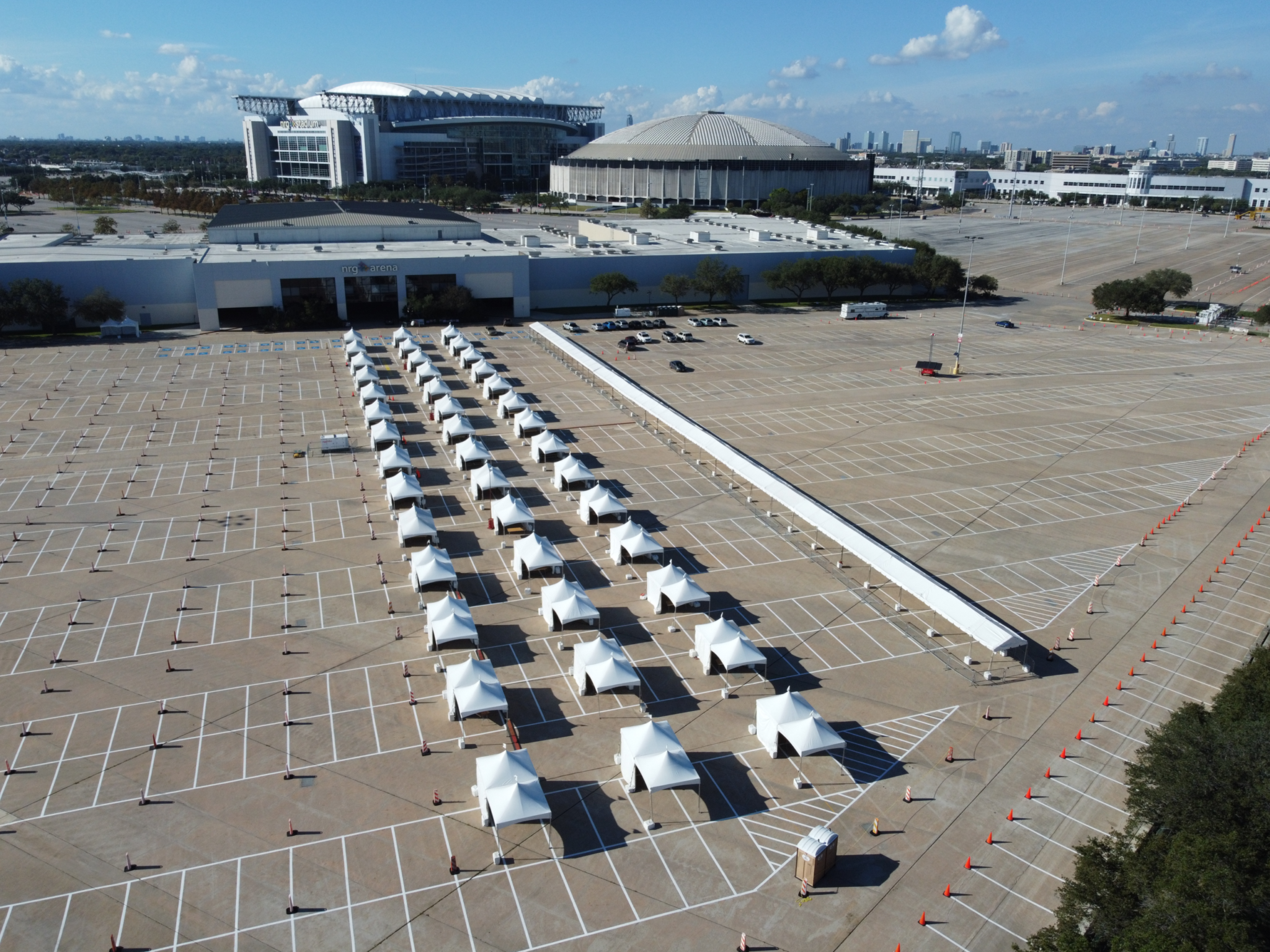
Surface comes first: turf can usually be staked; asphalt, concrete and anywhere with services underground cannot, so the structure is held by ballast — concrete blocks or water barrels — which needs space around the perimeter.
Access is next. How close the truck can get to the setup point is normally the single biggest factor in install time. Level matters for anything spanning a distance. And drainage matters more than people think — where the water goes when a Houston storm hits is a decision, not an accident.
Our site survey team works this out before anything is quoted.
Should You Rent Or Lease?
It is a duration question with a straightforward answer.
Rent when the structure has an end date measured in days or weeks — an event, an activation, a turnaround window. The cost is short, the install is temporary, and you are paying for flexibility.
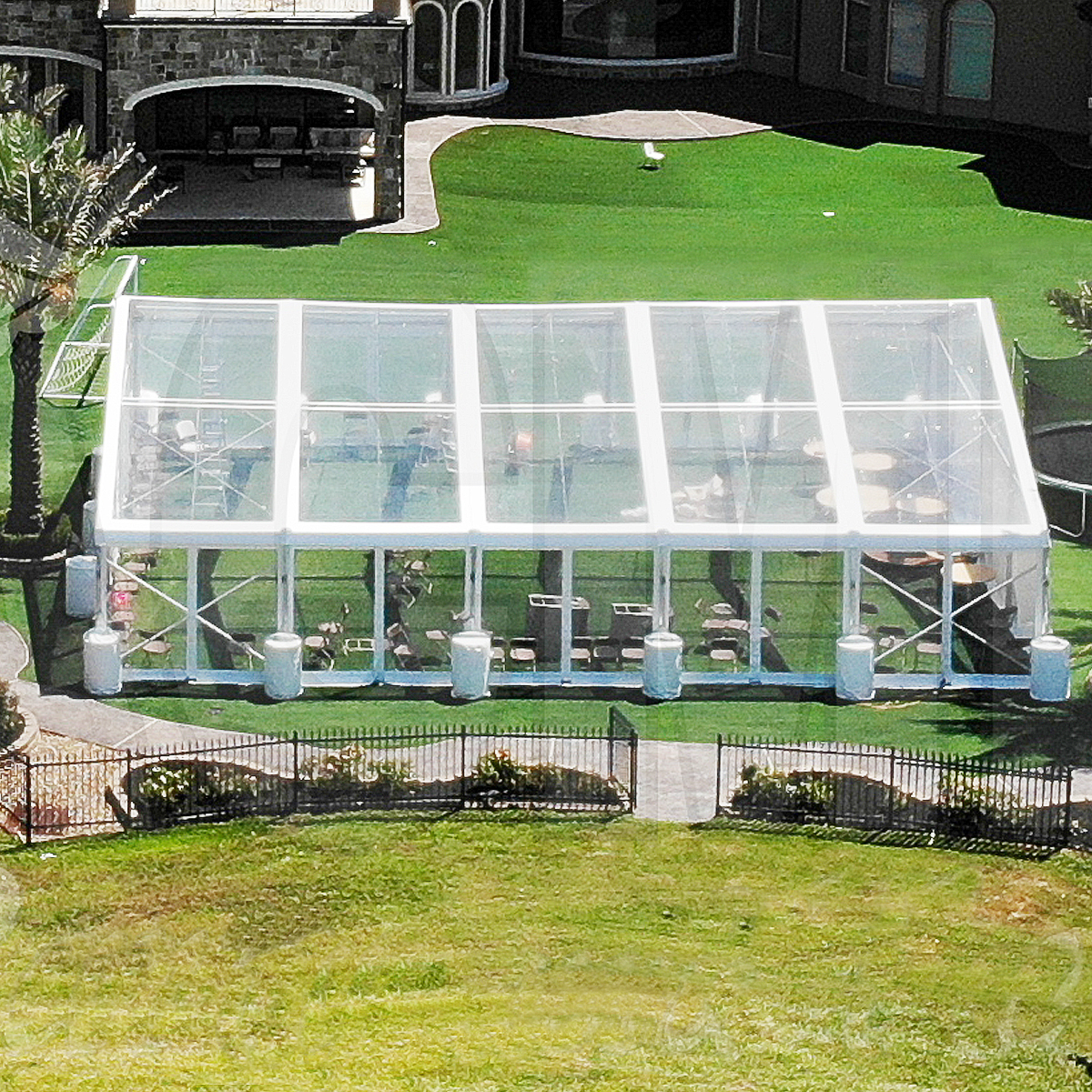
Lease when the need is months and the structure is doing a building’s job. Long-term leasing changes the maths, and it changes the specification — a leased structure is set up to stand, be maintained, and be handed back rather than struck next Tuesday.
Where people get caught is renting month to month for something that turned out to be a year. If your timeline is genuinely open-ended, say so early and we will quote it properly.
How Does Commercial Delivery And Setup Work?
Commercial installs are crewed, scheduled and specified — not dropped off.
The sequence is survey, quote, permit support, install, and a plan for collection. On an operating site that means working around your access, your safety requirements and your production schedule, which is why the conversation starts earlier than an event booking would.
ACME has served Houston since 1997 and installs across Greater Houston and the Gulf Coast, including Katy, Sugar Land, The Woodlands and Galveston, with 24/7 capability for emergency deployments.
To scope a commercial structure, request a quote or call 713-729-2424.
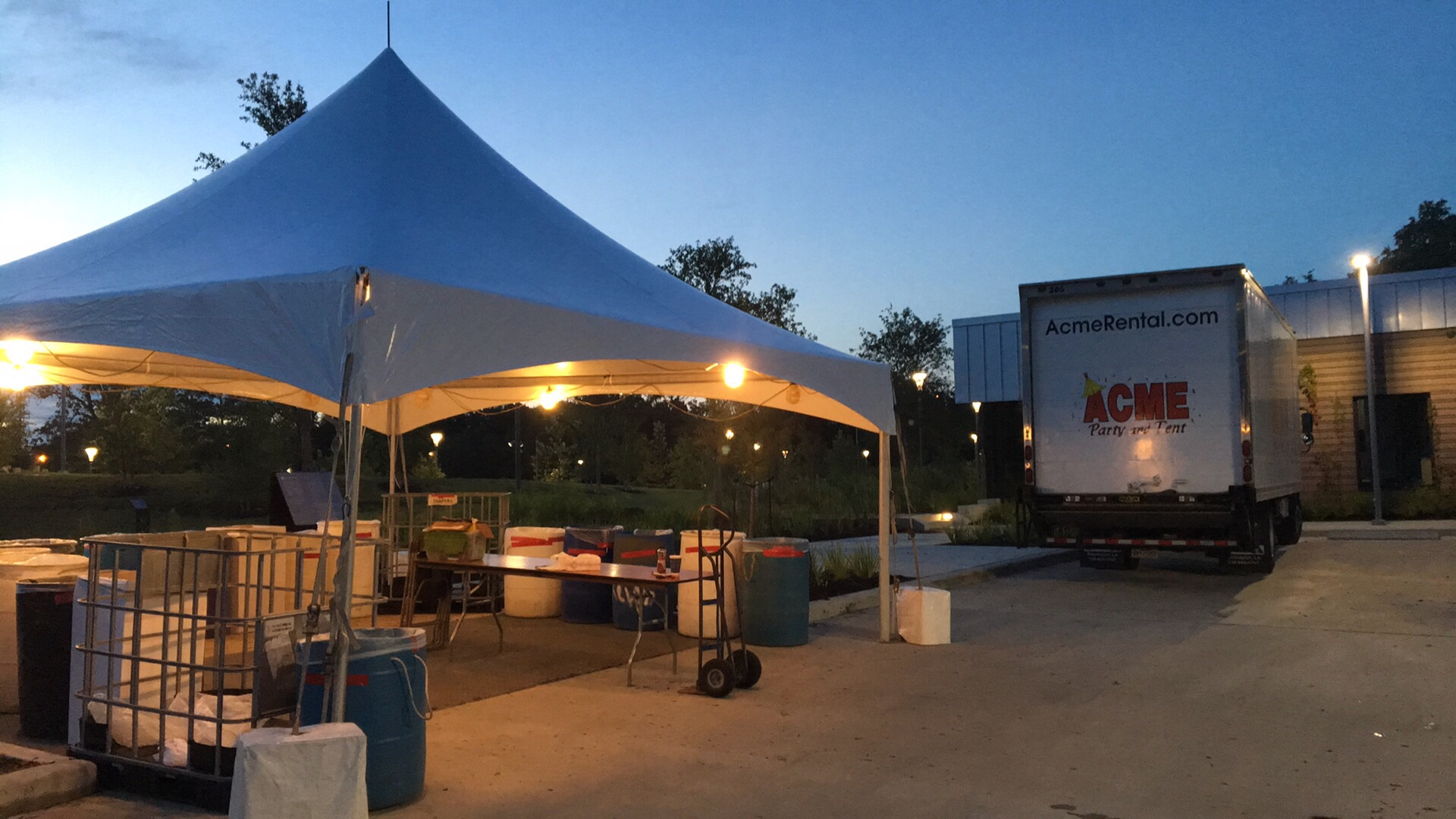
Frequently Asked Questions
Commercial-grade tents are engineered structures — clear span frames, tensioned or track-locked panels, and anchoring designed for the site — built to perform through longer installations and rougher weather than consumer canopies.
Corporate events, grand openings, sales and promotional tents, trade shows, seasonal expansions, temporary warehousing, and industrial support such as turnarounds and work-site enclosures.
Yes. With sidewalls and doors installed, commercial structure tents can be fully conditioned using our tent air conditioning, heating, and generator inventory.
Yes. For extended installations, ACME offers a long-term tent lease program in addition to standard rentals, with structures suited to long-duration use.
Yes. ACME serves refineries, plants, and manufacturers across Houston and Southeast Texas through our industrial tenting division, backed by a 24/7 Quick Response Team.
Since 1997
Family-owned & serving Houston for decades
Houston & Gulf Coast
Delivering across Southeast Texas
24/7 Quick Response
Disaster relief & emergency deployments
One Vendor
Tents, furniture, power, climate & service
Plan your next event with ACME and let us worry about the details!
From corporate gatherings to a festival for thousands, ACME’s event specialists will walk you through the entire process.