Industrial Tents: A Temporary Building, Not a Party Tent
Engineered temporary structures for refineries, chemical plants, manufacturers, turnarounds, worker facilities and emergency operations across Houston and the Gulf Coast.
An industrial tent is not event equipment used industrially. It is a temporary building: engineered for months of Houston weather, sized for forklifts rather than guests, and expected to work every day of a shift pattern. ACME installs them for refineries and chemical plants along the Ship Channel, manufacturers and fabricators across Southeast Texas, healthcare campuses, and the 24/7 emergency work that follows a fire, a storm or an equipment failure. This guide explains what an industrial tent is, what facilities use them for, what has to go with one, and how the install and the lease work.
Browse Industrial Tent Structures
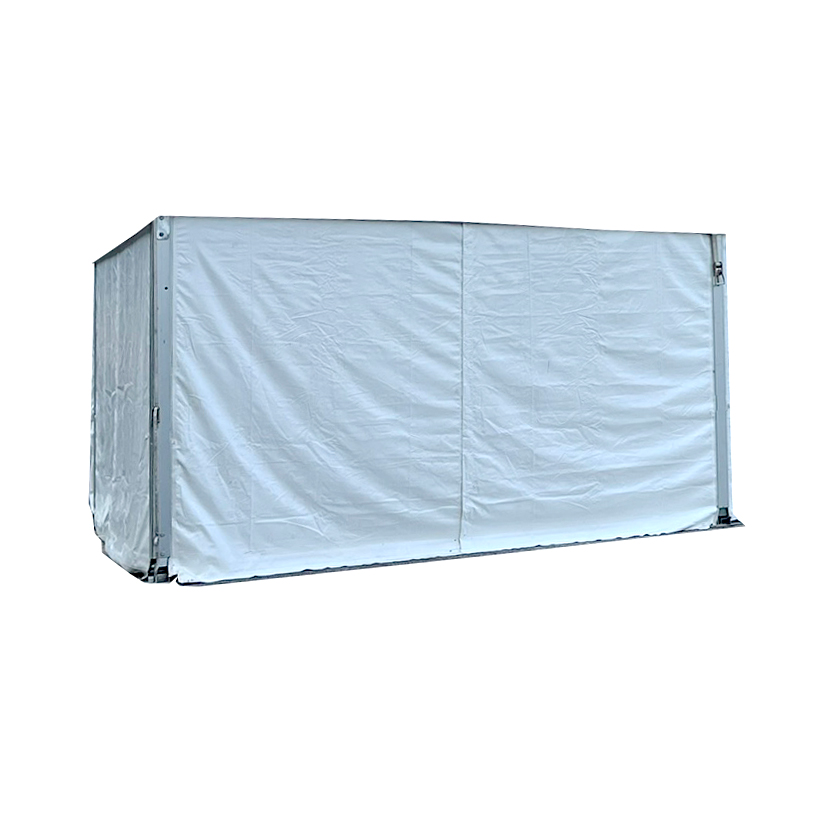
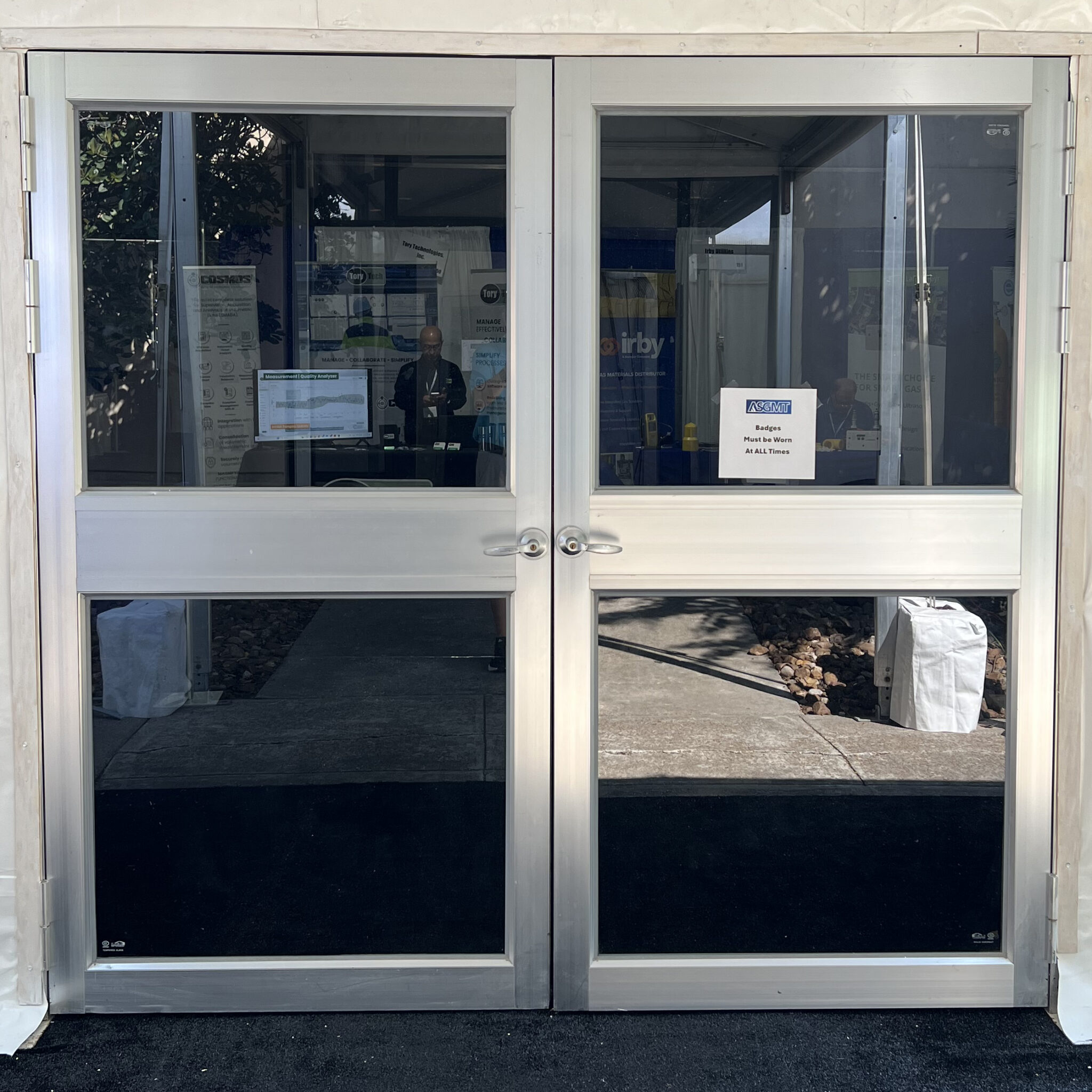
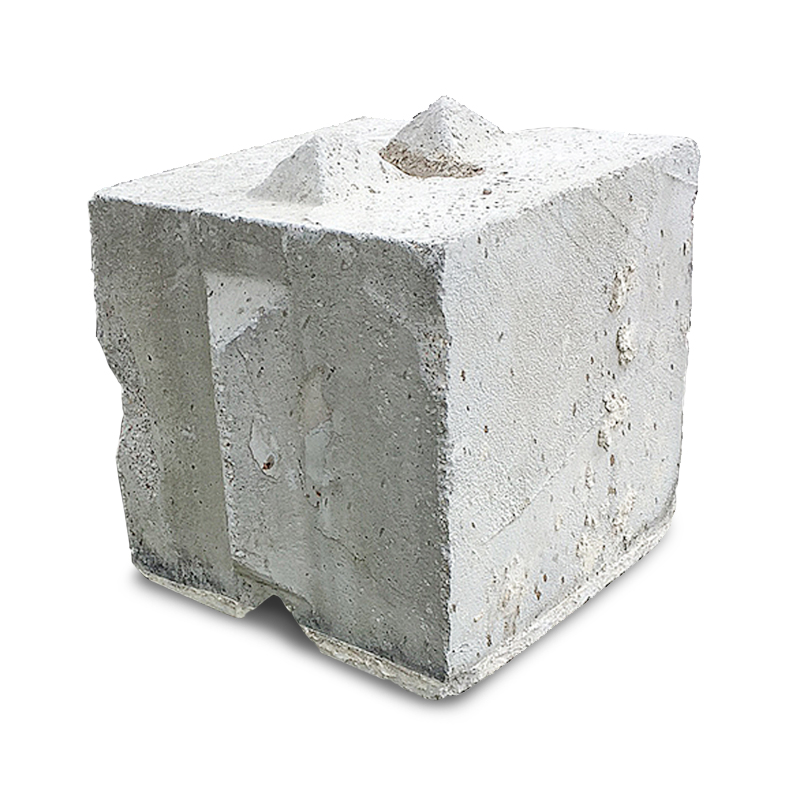
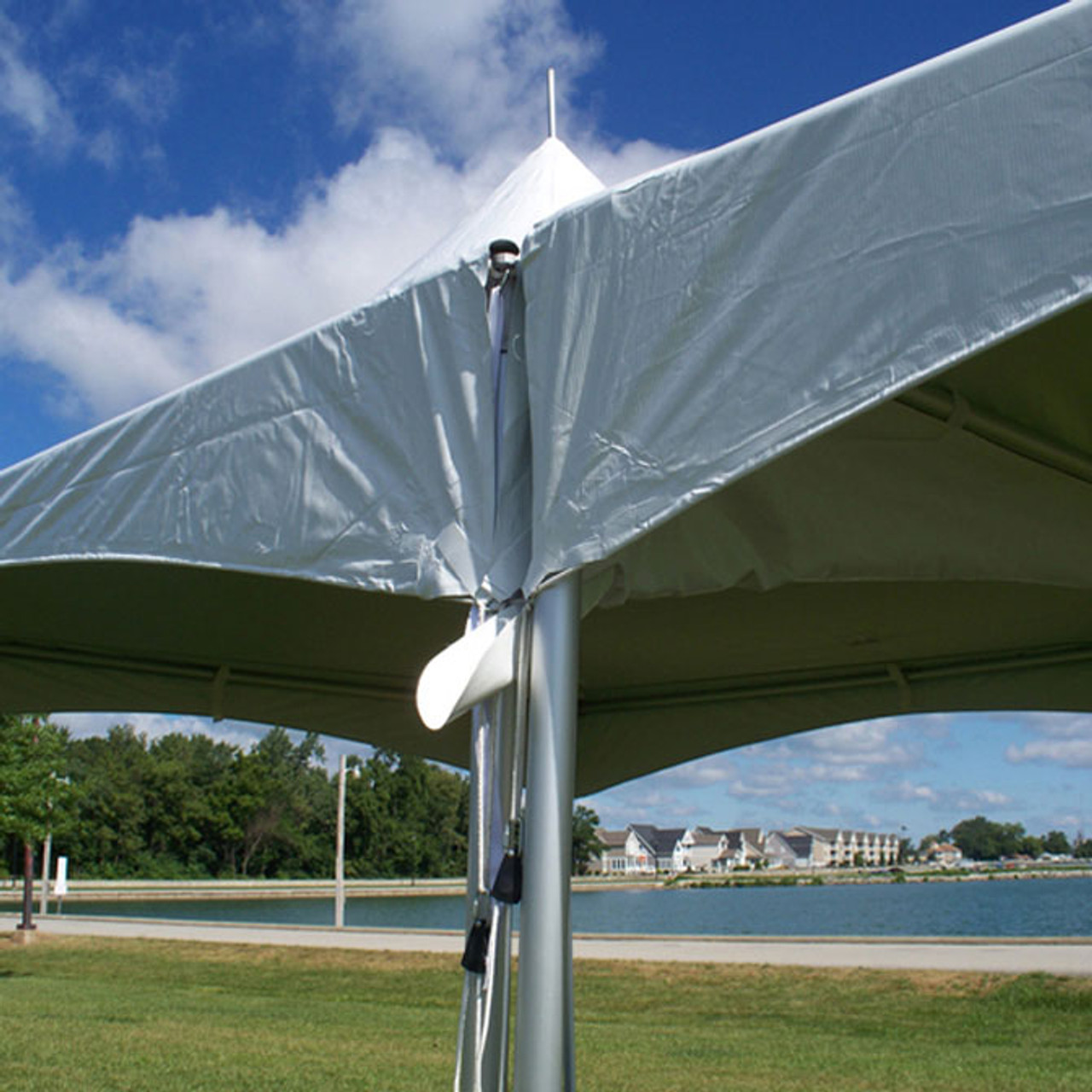
The tent systems, structure-grade walls, doors and ballast ACME specifies for industrial sites. Add them to your quote, or open the Industrial Tenting hub for the full inventory, including climate control, generators and flooring.
What Is an Industrial Tent?
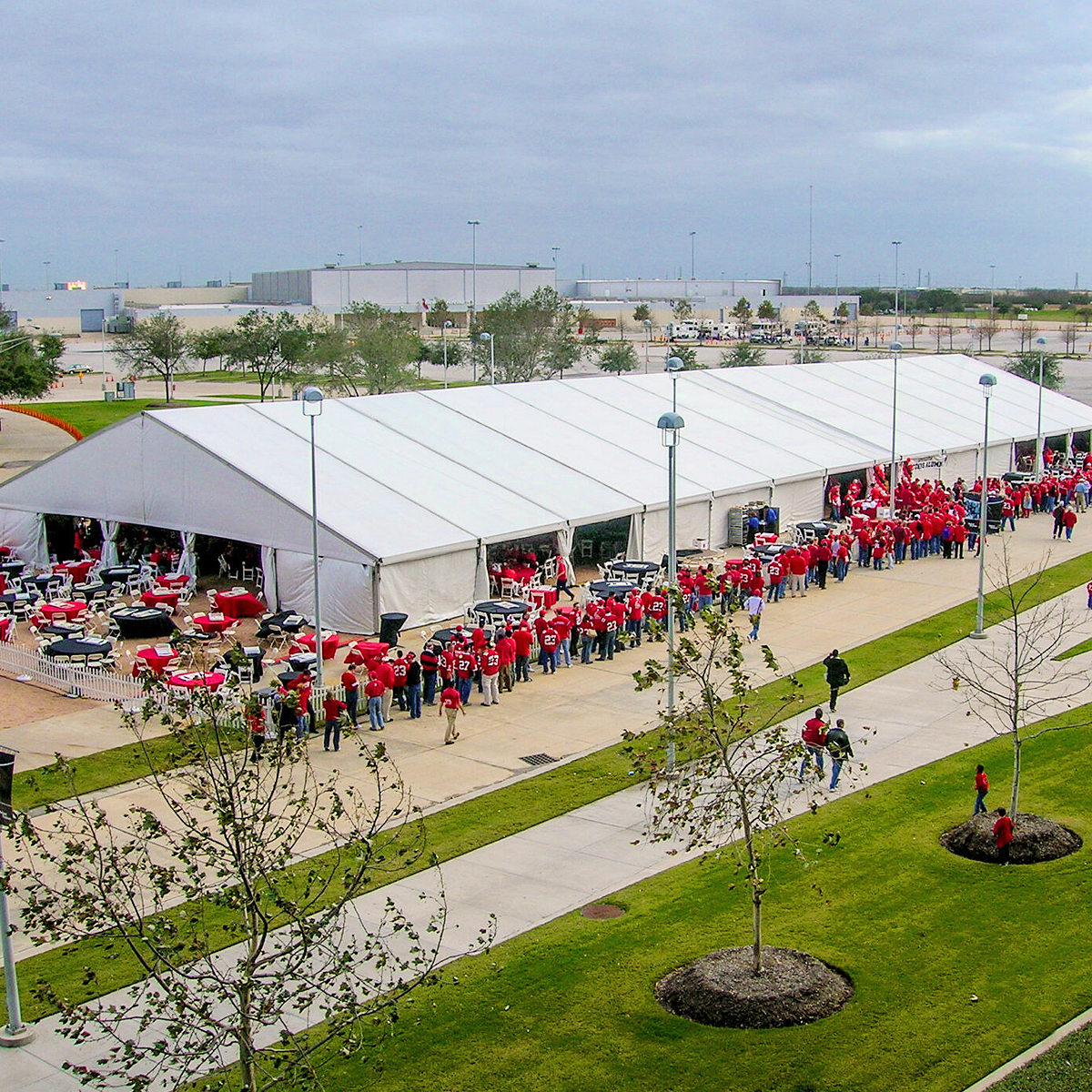
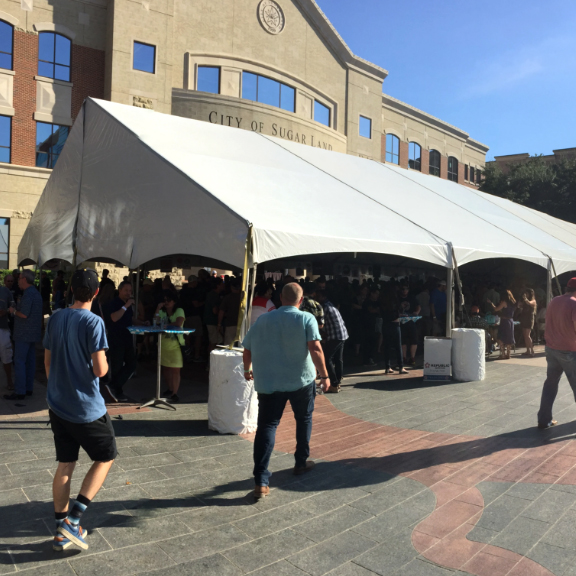
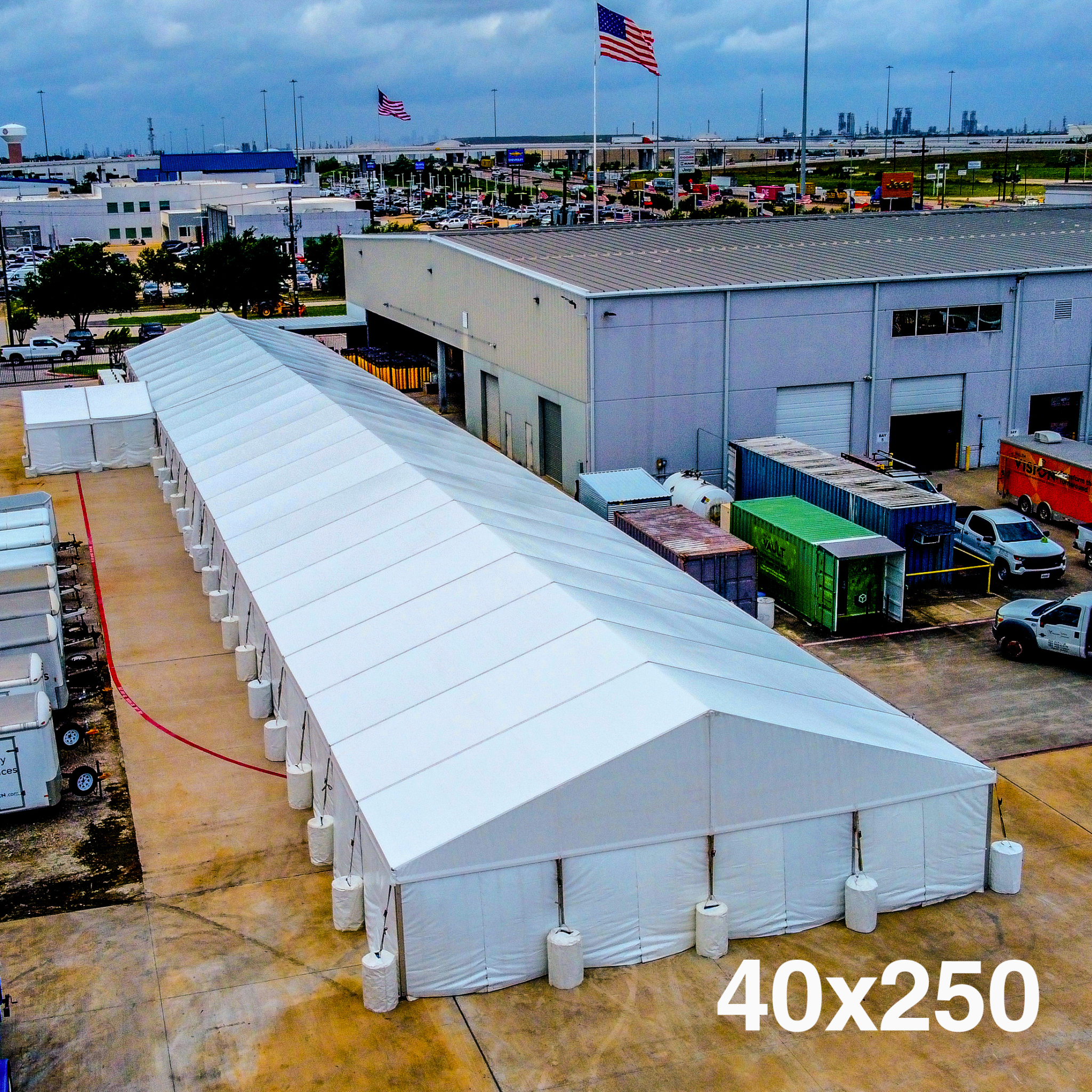
An industrial tent is an engineered temporary structure doing a building’s job on an operating site. ACME builds them from the same systems the rest of this guide covers, frame tents, high peak marquees, clear-span structure tents and Keder track systems, but specified for duration and for work rather than for a date.
Duration changes everything about the specification. A party tent stands for a weekend in a known forecast. An industrial structure stands for months through hurricane season, summer heat and whatever else the Gulf Coast produces, and it is engineered and anchored for that.
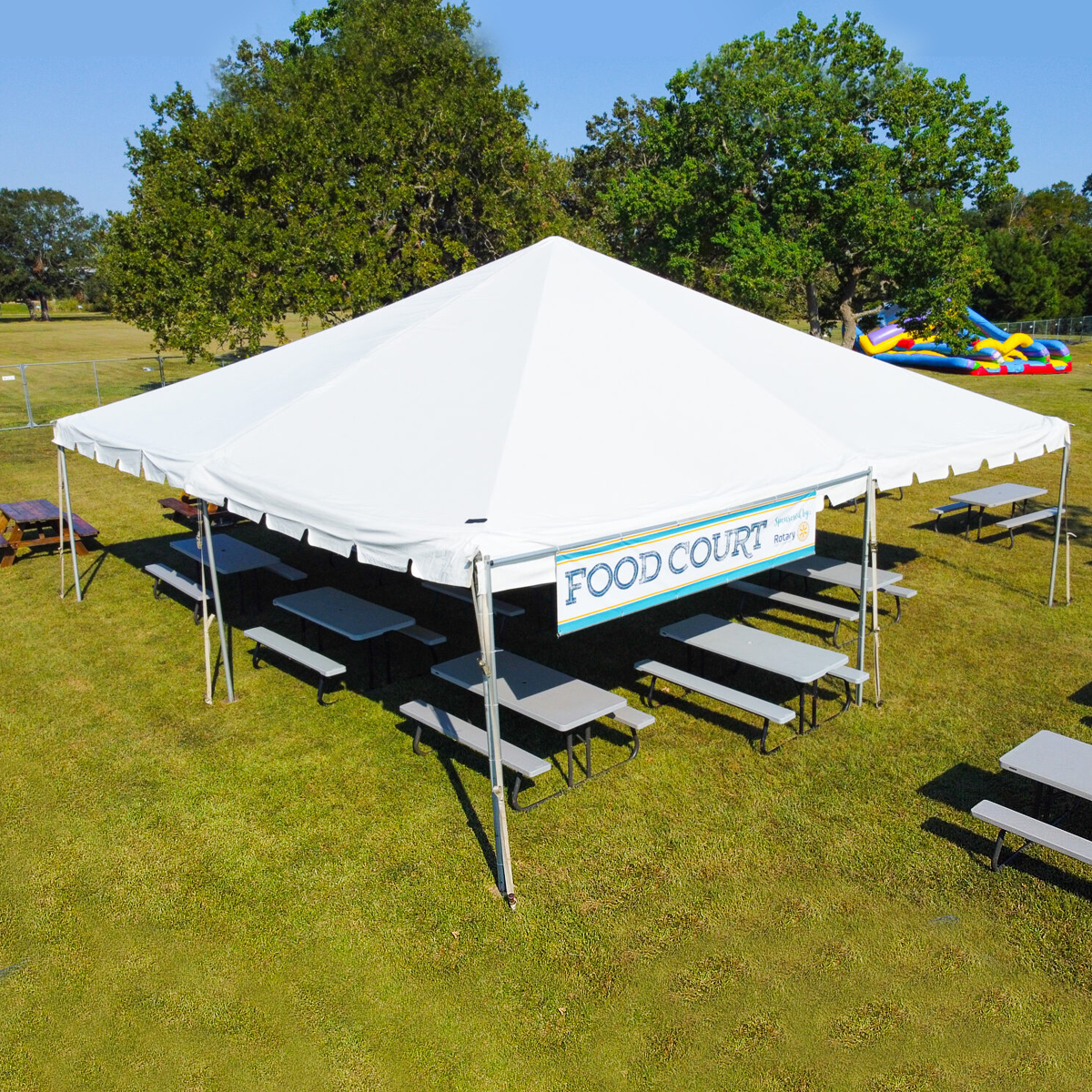
The use changes the specification too. Guests walk in and out. Industry drives in: forklifts, pallets, racking, equipment on wheels. That sets clear height, door width, floor loading and leg placement, which is why clear-span structure tents and frame tents do this work rather than pole tents with ropes and a center pole in the middle of the floor.
What Do Houston Plants and Facilities Use Industrial Tents For?
Space that is needed now and is not worth building. The common thread is that the need is real, the timeline is months, and permanent construction is the wrong answer. Across Houston and Southeast Texas, ACME’s industrial tenting covers:
- Oil refinery tenting: laydown areas, project support and on-site crew facilities
- Chemical plant tenting: covered workspace and support structures along the Ship Channel
- Manufacturing tenting: production overflow, storage cover and employee facilities
- Turnaround and maintenance: the contractor town that appears for six weeks, with break areas, staging and contractor support
- Worker break room and cooling: climate-controlled break tents, lunch tents, muster points and welfare space
- Emergency response tenting: 24/7 Quick Response Team deployment when an incident takes a facility offline
- Healthcare facility tenting: triage, testing and overflow structures for hospitals and clinics
- Long duration site tenting: multi-month and multi-season installations, including long-term lease options
- Automotive investigation: secure, weather-protected cover for vehicle and incident investigations
Each of those has its own page under Industrial Tenting, covering who it is for, how it works and what equipment typically supports it.
Why Would a Facility Need One Instead of a Building?
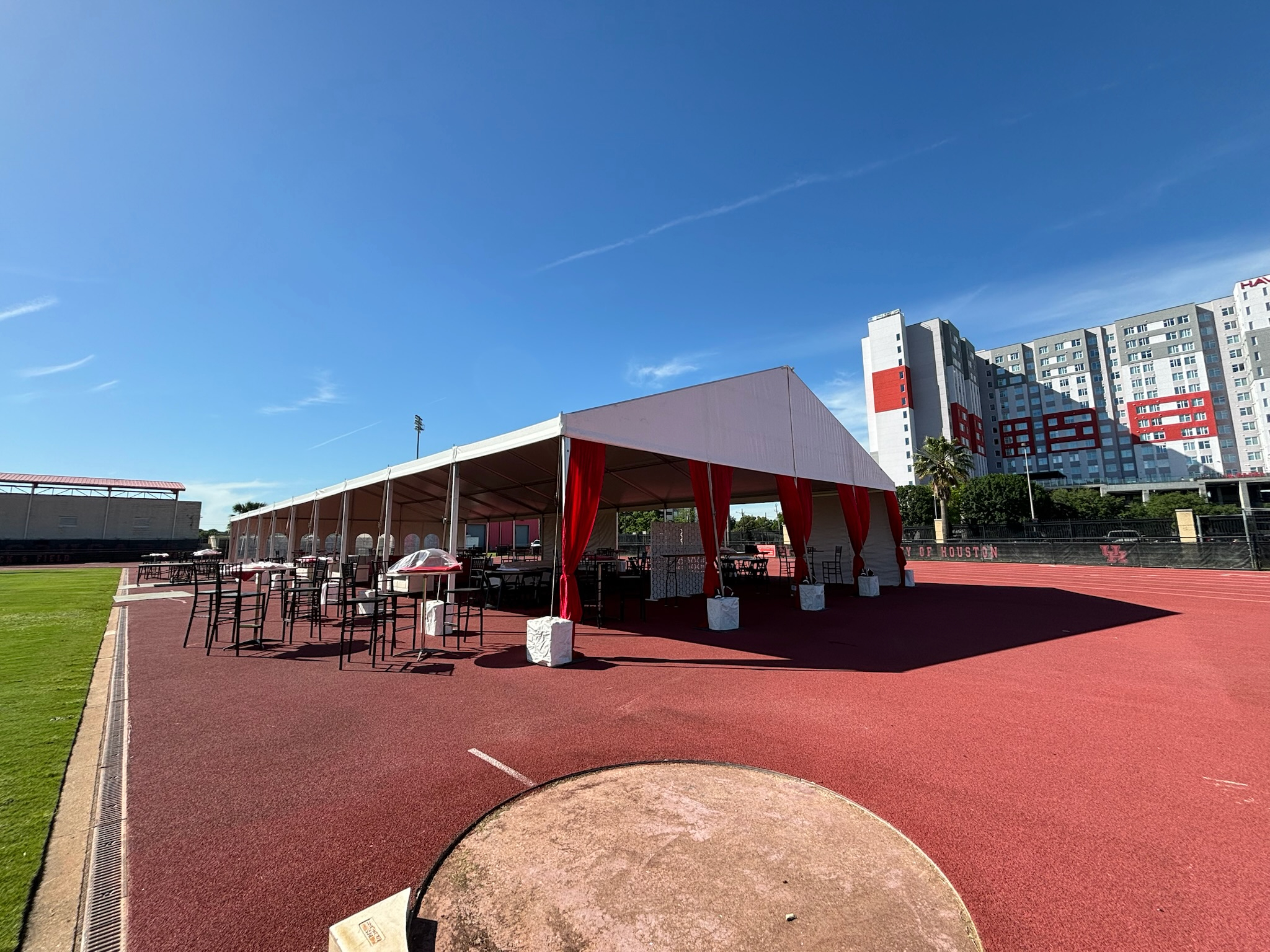
Three reasons come up on almost every industrial job. The need is temporary: a turnaround window, a seasonal surge, a contract with an end date, where a multi-year build or lease is expensive in a way that does not show up until the need is gone. The need is urgent: a structure can be standing in days, and on emergency work within hours, while a building takes far longer. And the space has to be where the work is: on the plant’s own yard, next to the unit, inside the gate, rather than across town with the transport and double handling that implies.
Because ACME carries its own climate control, generators and power distribution, flooring, lighting, tables, chairs and support equipment, one call covers the entire temporary facility: one vendor, one delivery schedule, one point of accountability.
What Has to Go With an Industrial Tent?
A bare structure is rarely the job. A break tent without air conditioning is useless in a Houston August, and a covered work area without power and lighting is just shade.
- Climate: a working tent in a Houston summer needs cooling, and cooling needs walls, because you cannot air condition an open-sided structure; winter needs heat for the same reason in reverse
- Power: generators and distribution for lighting, equipment and climate, usually on a site where the supply is already committed
- Floor: ground that takes a forklift for six months is not the ground that takes a chair for an evening; sub-flooring levels it and keeps it usable
- Walls and doors: solid sidewalls and proper doors turn covered space into something securable and conditionable
- Furnishings: tables, chairs, lighting and welfare equipment for crew facilities
See the Tent Accessories Guide for walls, doors and ballast, and the Event Power and Generator Sizing Guide for how power gets planned.
How Does an Industrial Install Work on an Operating Site?
Industrial tents are installed by professional crews who understand gate access, safety orientations and the realities of working inside an operating facility. The sequence is survey, specification, quote, permit support, install, then service and removal, all by ACME’s own crews.
Planned work rewards early coordination: site surveys, anchoring plans and delivery windows that match your gate schedule. Surface decides anchoring (staked on turf, ballasted with concrete block on concrete and asphalt), level ground matters for a long clear span, drainage matters more than people think, and truck reach to the setup point drives the schedule.
Permits are usual. Temporary structures of this size and duration commonly attract fire marshal review, and plant sites have their own requirements on top. Tell ACME the site and the use early and the crew will flag what it is likely to trigger. Start with the Houston Event Permit Guide.
Planned Projects and Unplanned Emergencies
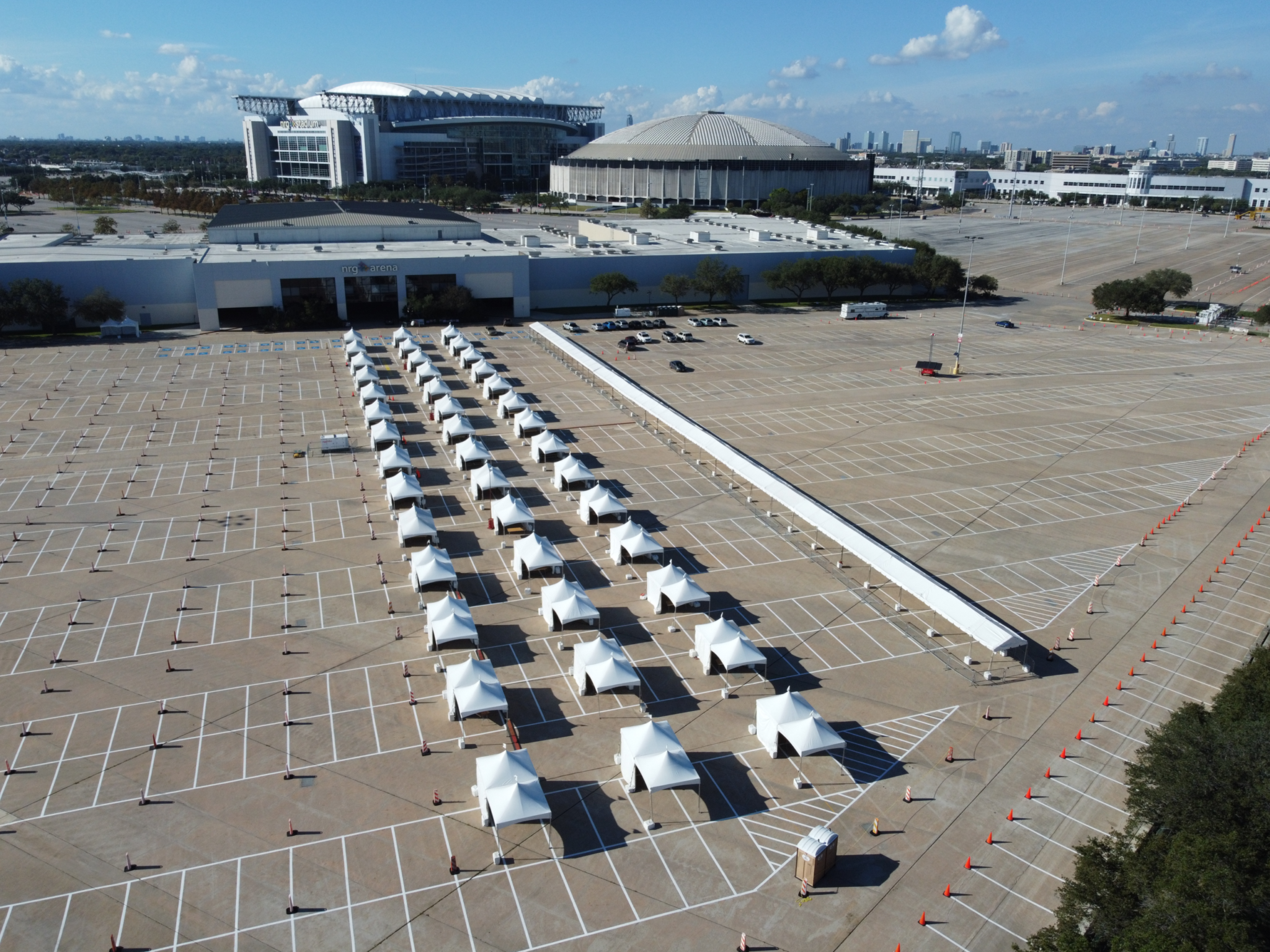
Industrial tenting jobs come in two flavors. Planned work, turnarounds, maintenance seasons, construction laydown and long-duration storage, is scheduled around your site access and work windows. Unplanned work is different. When a fire, storm or equipment failure takes a building offline, ACME’s 24/7 Quick Response Team mobilizes immediately and can often have a structure on site within hours.
Same company, different clock. Industrial tent rentals are planned: you know you need the space. The Quick Response Team is for when you did not. That line is 713-729-2424, ext. 22, day or night. The Disaster Preparedness guide explains how to plan for that before you need it.
How Does a Long-Term Industrial Lease Work?
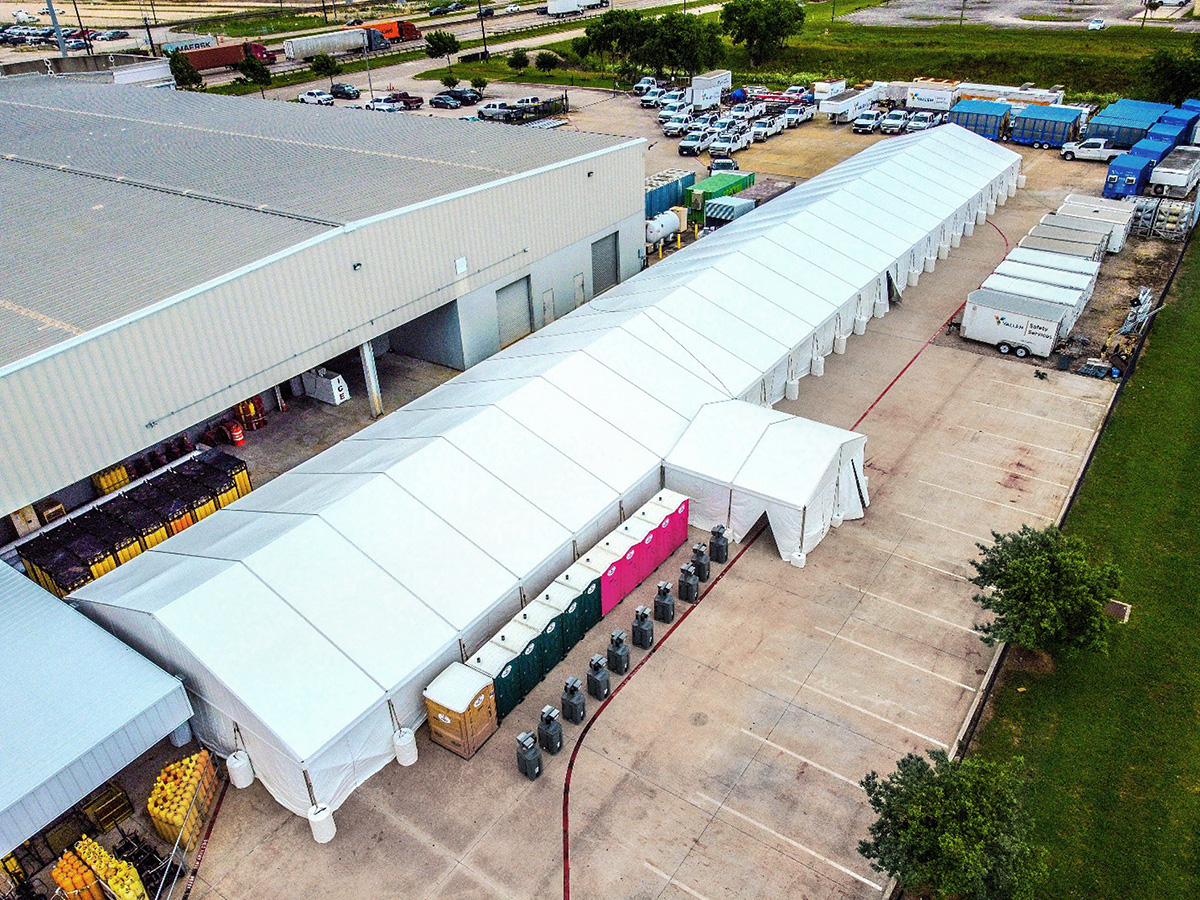
Differently from a rental, and usually cheaper than one. Anything measured in months is a lease rather than a day rate. It is priced on duration, it includes the maintenance a standing structure needs, and it uses the right structure for it: one specified to stand through a Houston season and be handed back, not struck next Tuesday.
Worth settling early: how long, what drives in and out, what runs inside, whether it is walled and climate-controlled, what the ground is, and what your site’s permit and fire requirements are. Those answers change the structure, not just the price. ACME’s long-term tent lease program runs from three months up with flexible financing and yearly discounts; long duration site tenting covers the multi-season installs. Our yard at 11144 S Post Oak is minutes from the refining corridor. Tell us the site, the duration, what drives in and what runs inside. Request a quote or call 713-729-2424.
Spec the structure against the actual job
Tell us the site, the duration, what drives in and what runs inside. We will spec the structure, the climate, the power and the floor, and build it with one crew that knows how to work inside your gate.
Frequently Asked Questions
Industrial tent rental provides engineered temporary structures for business and facility operations rather than events: covered work areas, temporary break rooms, storage cover, turnaround support and emergency structures after fires or storms. ACME supplies the tent plus climate control, power, flooring and furnishings as a complete package.
Duration and use. An industrial structure is engineered and anchored to stand for months through Gulf Coast weather, and it is sized for forklifts, pallets and racking rather than guests, which sets clear height, door width, floor loading and leg placement.
Yes, if it is specified for it. That is why this work uses clear-span frame and structure tents rather than pole tents, which put ropes and a center pole in the middle of the floor.
Yes, and it is one of the most common requirements. The tent has to be walled first, then ACME pairs it with air conditioning, heating and ventilation sized to the structure, plus generators and power distribution where site power is not available.
For emergencies, the Quick Response Team is available 24/7 and can often have a structure on site within hours; call 713-729-2424 ext. 22. Planned projects are scheduled around your site access and work windows.
Yes. Many industrial installations stay in place for months or renew season after season. ACME offers long-term lease arrangements from three months up; ask about lease options when you request a quote.
Family-Owned
Serving Houston and the Gulf Coast for decades
Houston & Gulf Coast
Delivering across Southeast Texas
24/7 Quick Response
Disaster relief & emergency deployments
One Vendor
Tents, furniture, power, climate & service
Plan your next event with ACME and let us worry about the details!
From corporate gatherings to a festival for thousands, ACME’s event specialists will walk you through the entire process.