11144 S Post Oak, Houston, TX 77035
A tent on its own is a roof. What makes it usable in a Houston summer, walled, cooled, dry underfoot and safely anchored, is the accessories. Most of them are decided by the site and the season, not by taste, which is why it is worth understanding them before you book. This guide covers everything that goes on and around the tent itself: sidewalls, doors, rain gutters, weights and leg extensions, and how the right list gets built from the tent you choose.
Every sidewall, door, gutter, weight and extension in the ACME rental catalog. Add them to your quote, or open the full Tent Accessories rental page.
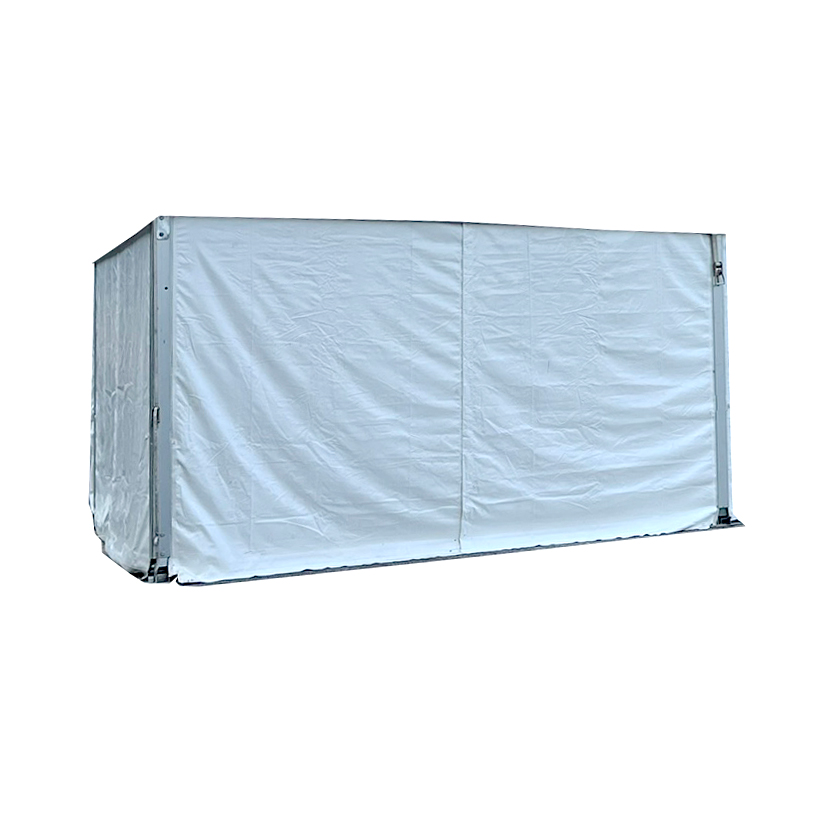
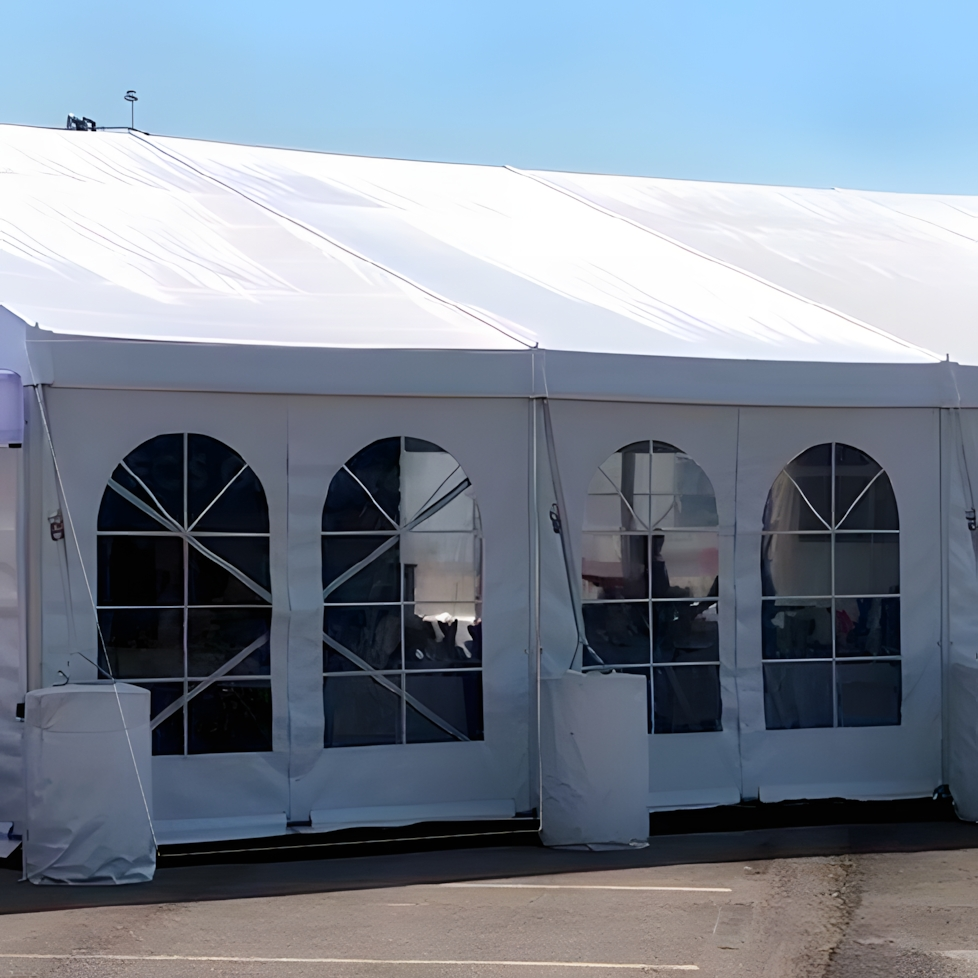
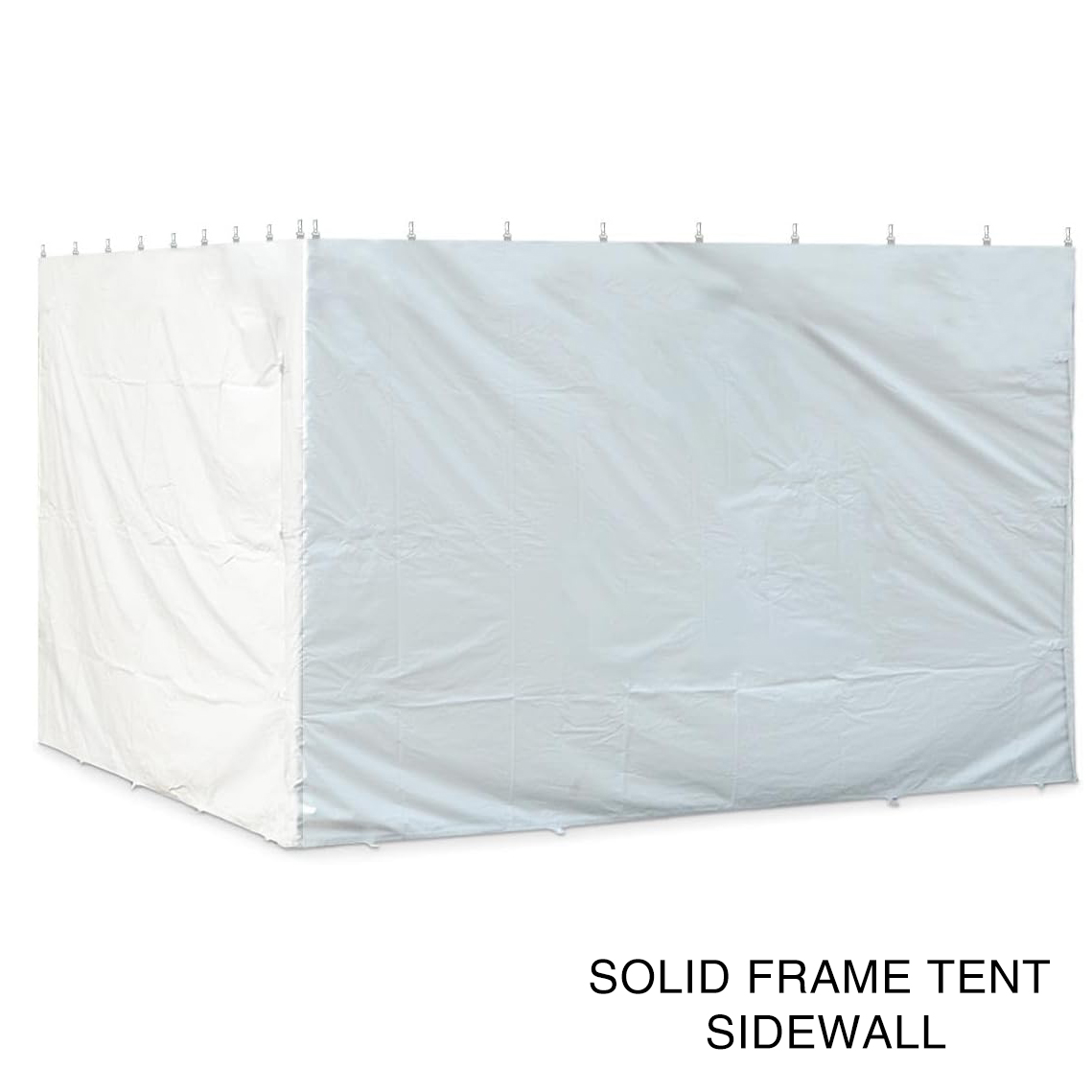
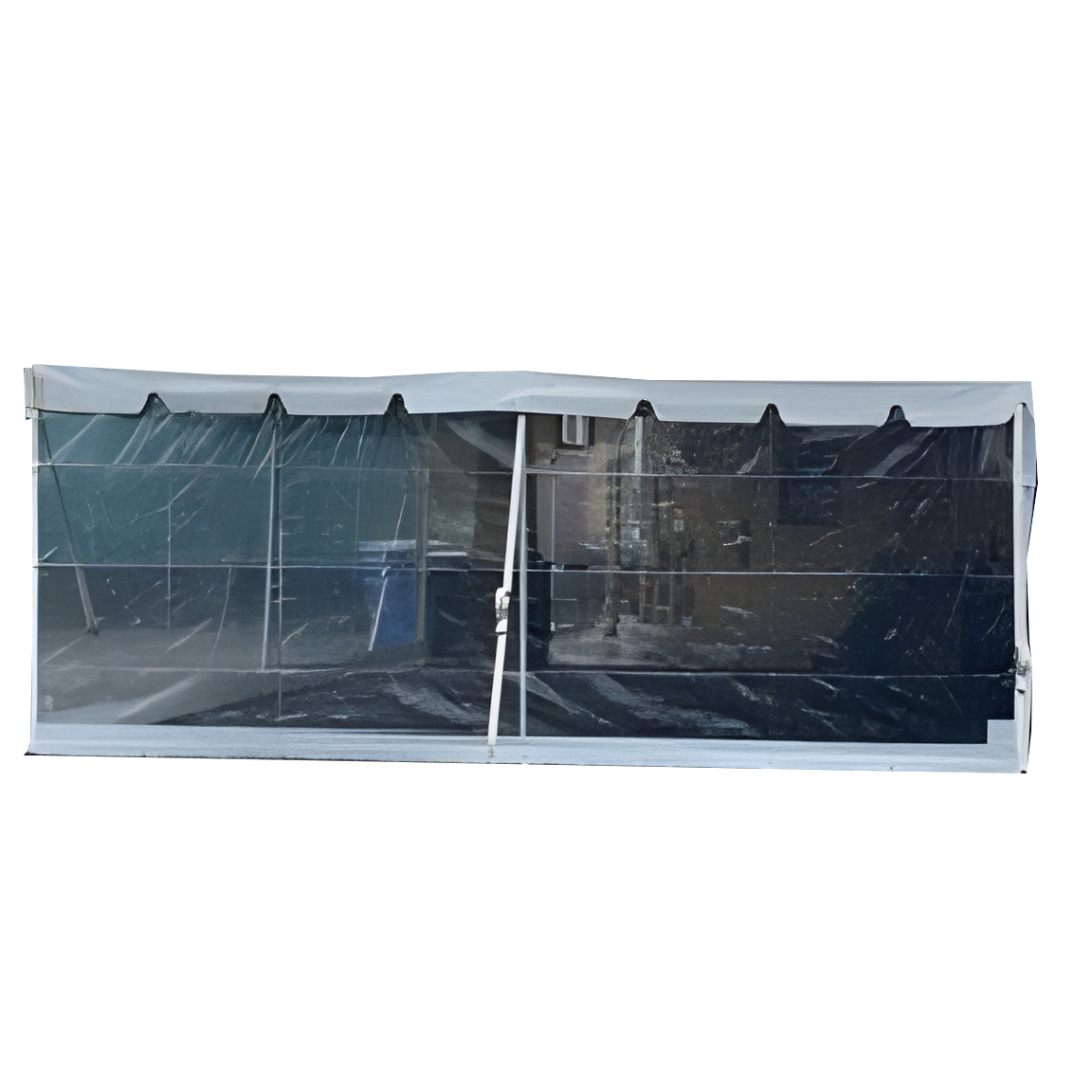
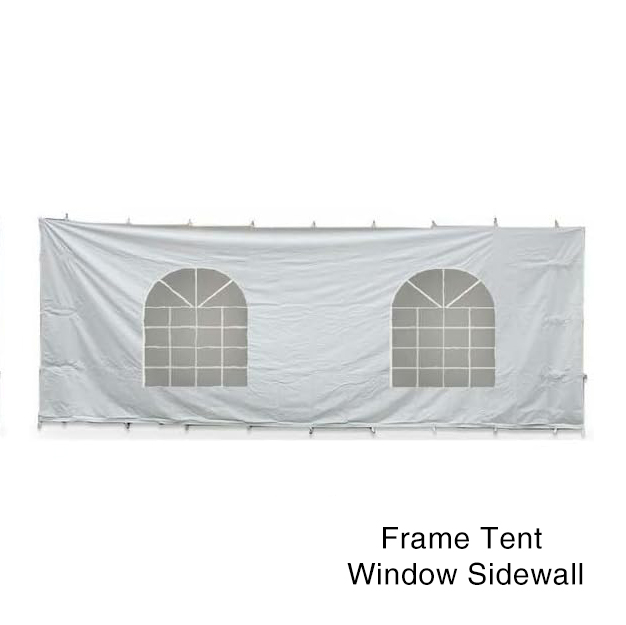
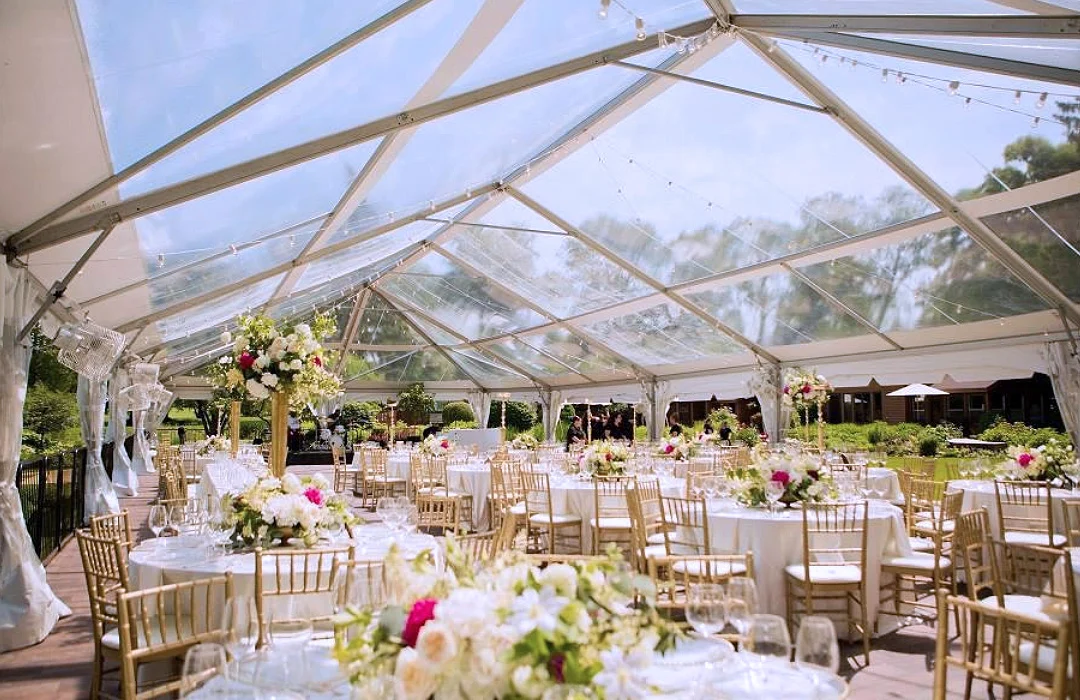
They turn an open roof into an enclosed room. Sidewalls close a tent in for weather, privacy and, critically in Houston, climate control. Solid walls give full enclosure and privacy. Clear walls keep the view and the light. Window and cathedral window walls split the difference with a finished look for weddings and galas.
One rule that catches people out: walls are matched to the tent type. Structure tents take structure-specific walls; frame tents take frame ones. Tell us the tent and we will send the right walls.
And you cannot meaningfully cool an open-sided tent; you would be cooling the outdoors. If climate control is in the plan, sidewalls are part of the same order, and the generator is sized to the enclosed space.
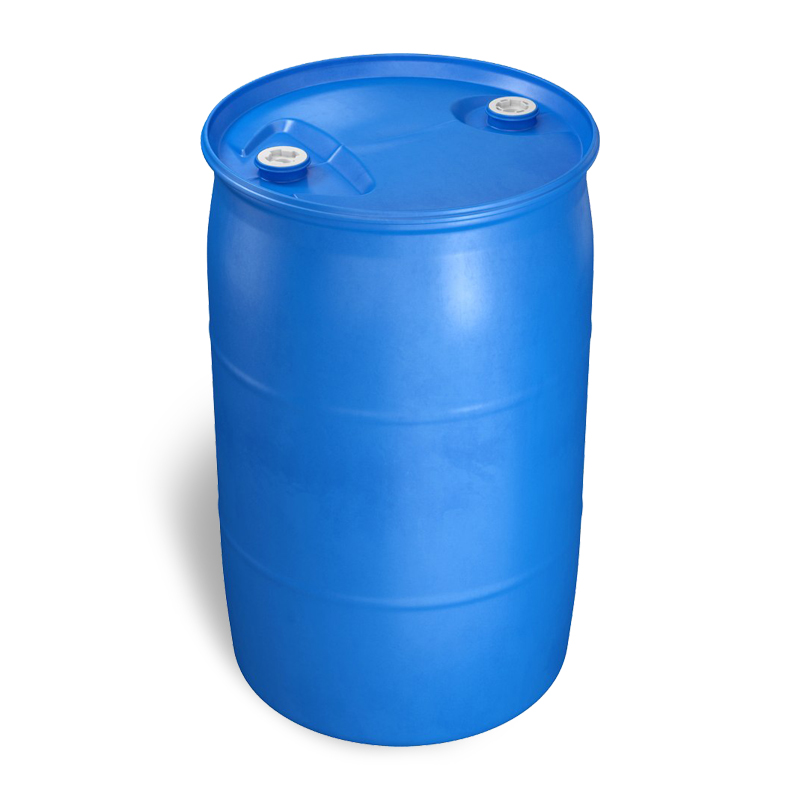
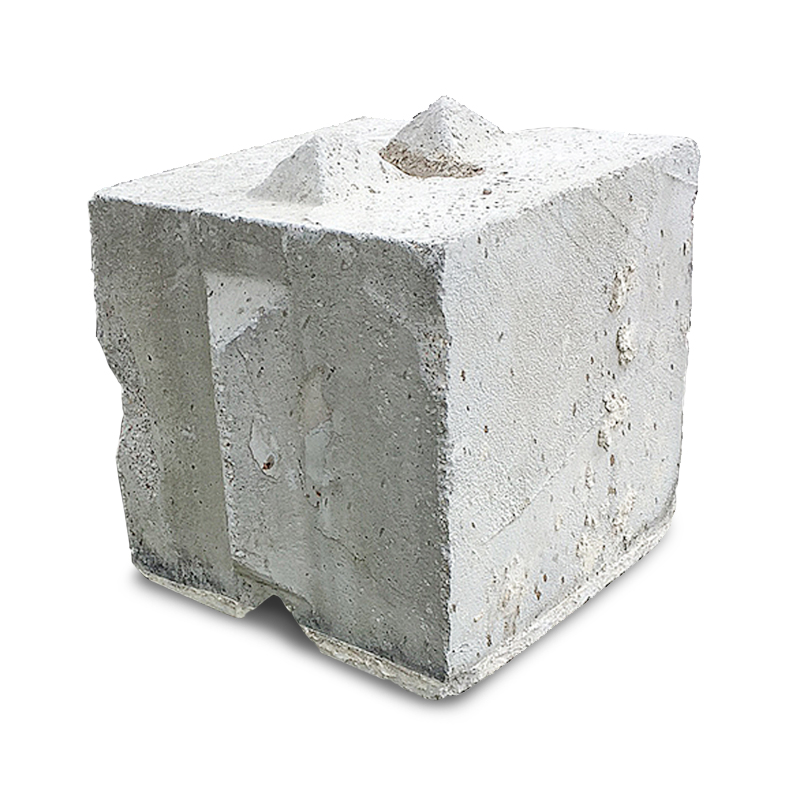
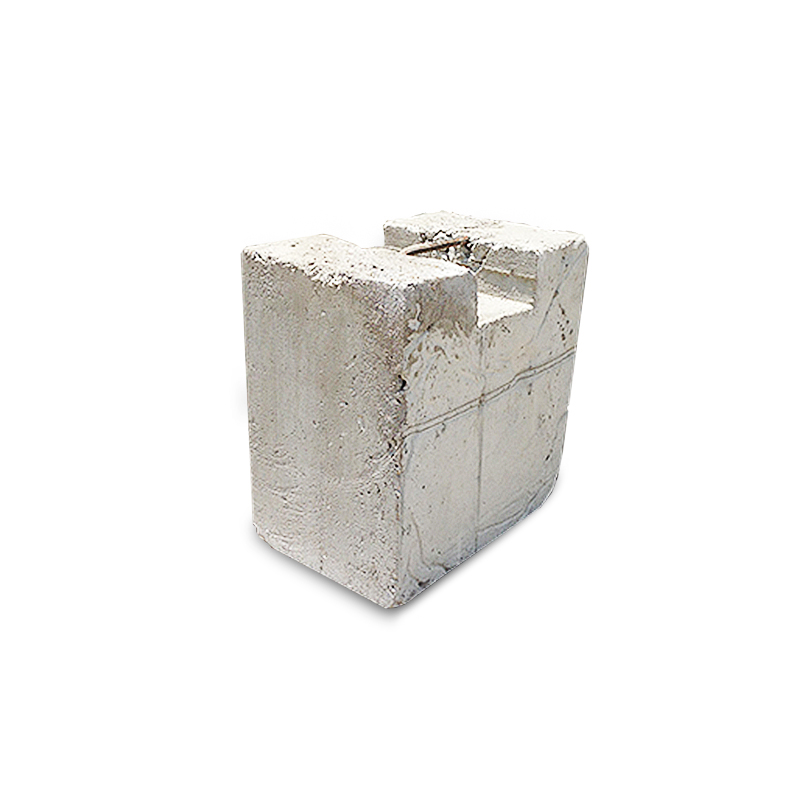
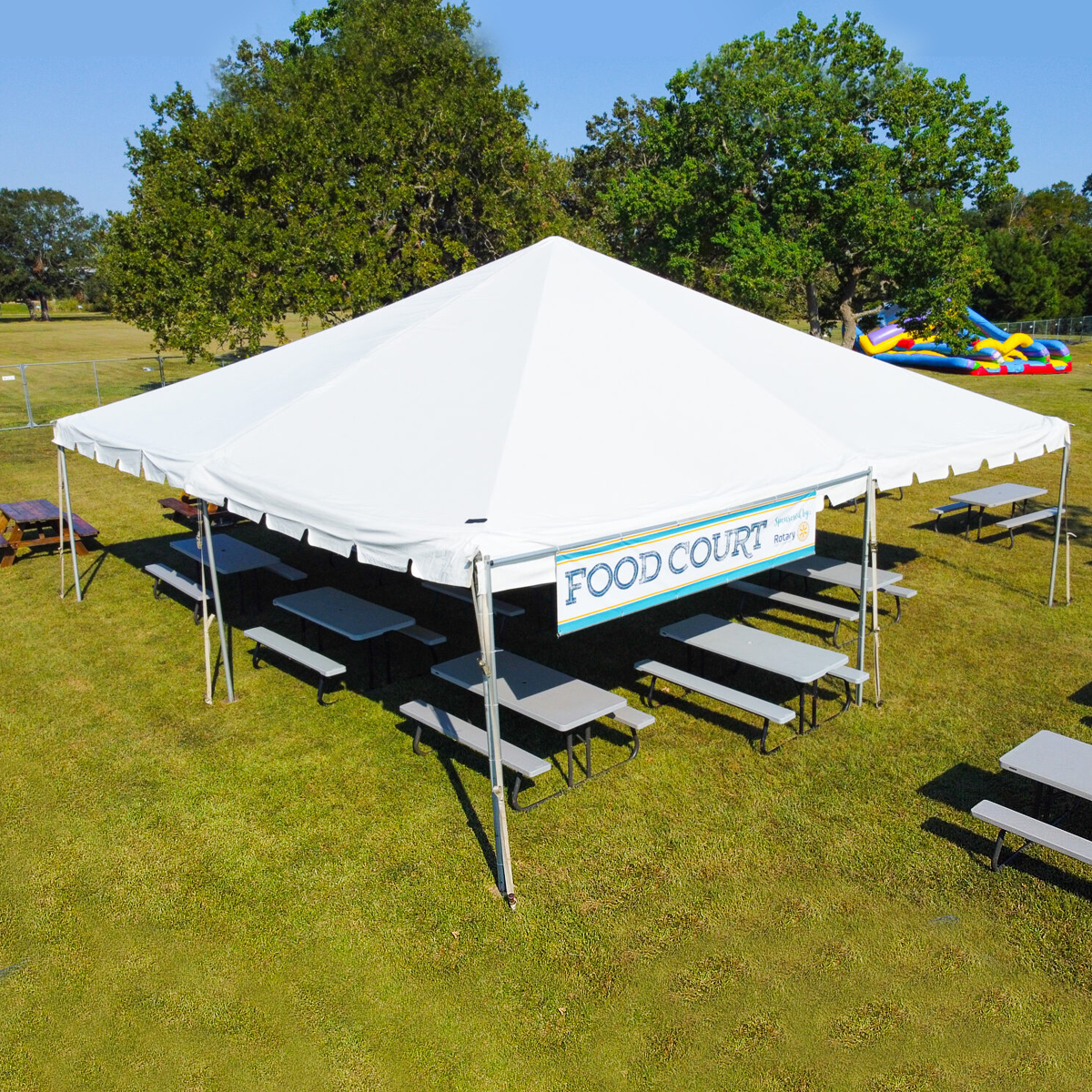
Because a tent is a sail, and Houston gets wind. On soft ground a tent stakes in. On concrete, asphalt or a deck it cannot, so it is ballasted with water barrels or concrete block weights instead.
This is not optional. An under-ballasted tent is the single most dangerous thing on an event site when weather moves in. The weight needed scales with tent size and exposure, and it is something ACME’s crew calculates rather than guesses. A walled tent catches far more wind than an open one, so walls and anchoring are specified together.
It is also why a permit or fire marshal review will ask about anchoring. See the Houston Event Permit Guide.
Gutters, and they matter more than people expect. Where two tents meet, or a tent meets a building, rain runs straight into the gap without a rain gutter bridging it. At a Houston event where a downpour is a near-certainty, that gutter is the difference between a covered walkway and a waterfall onto your guests.
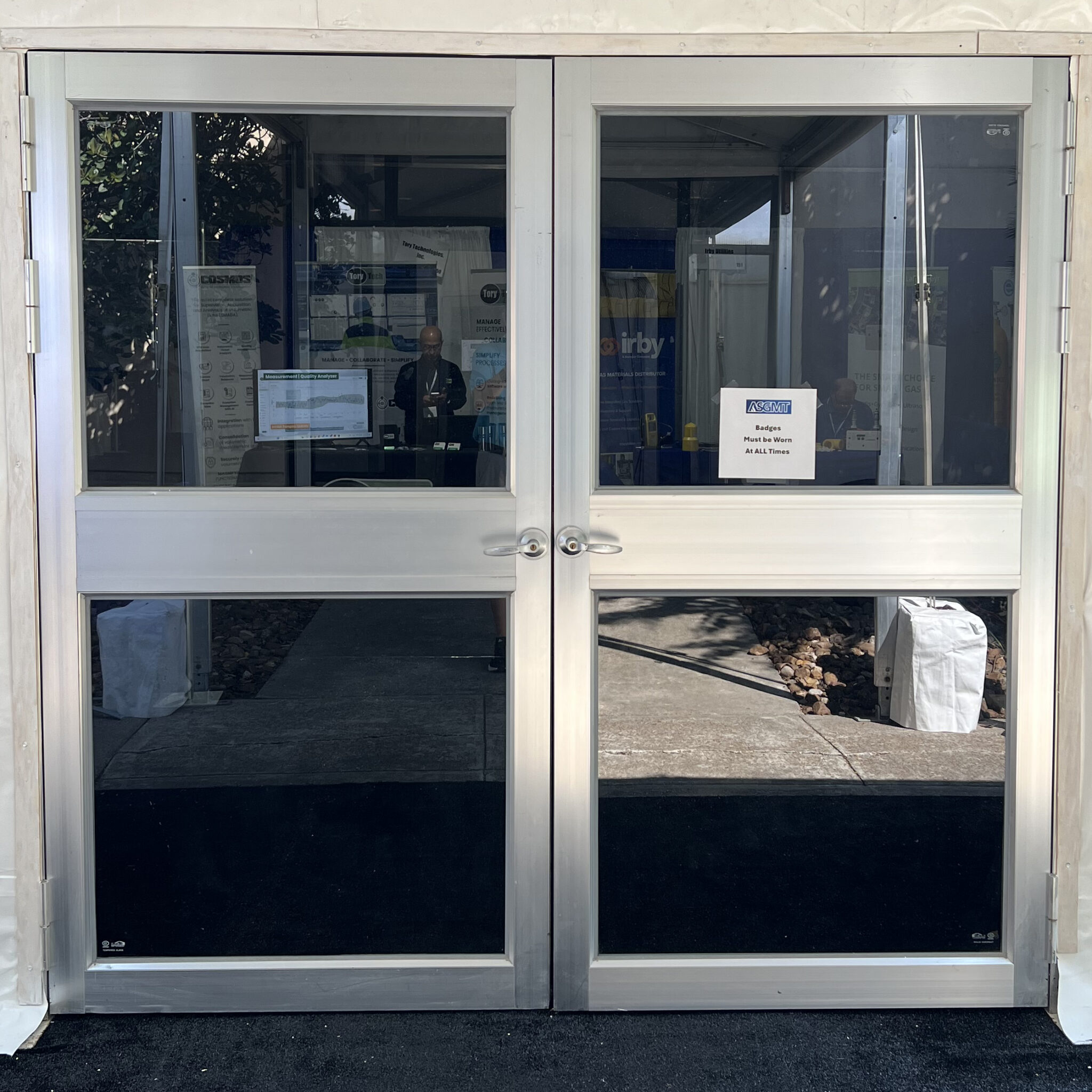
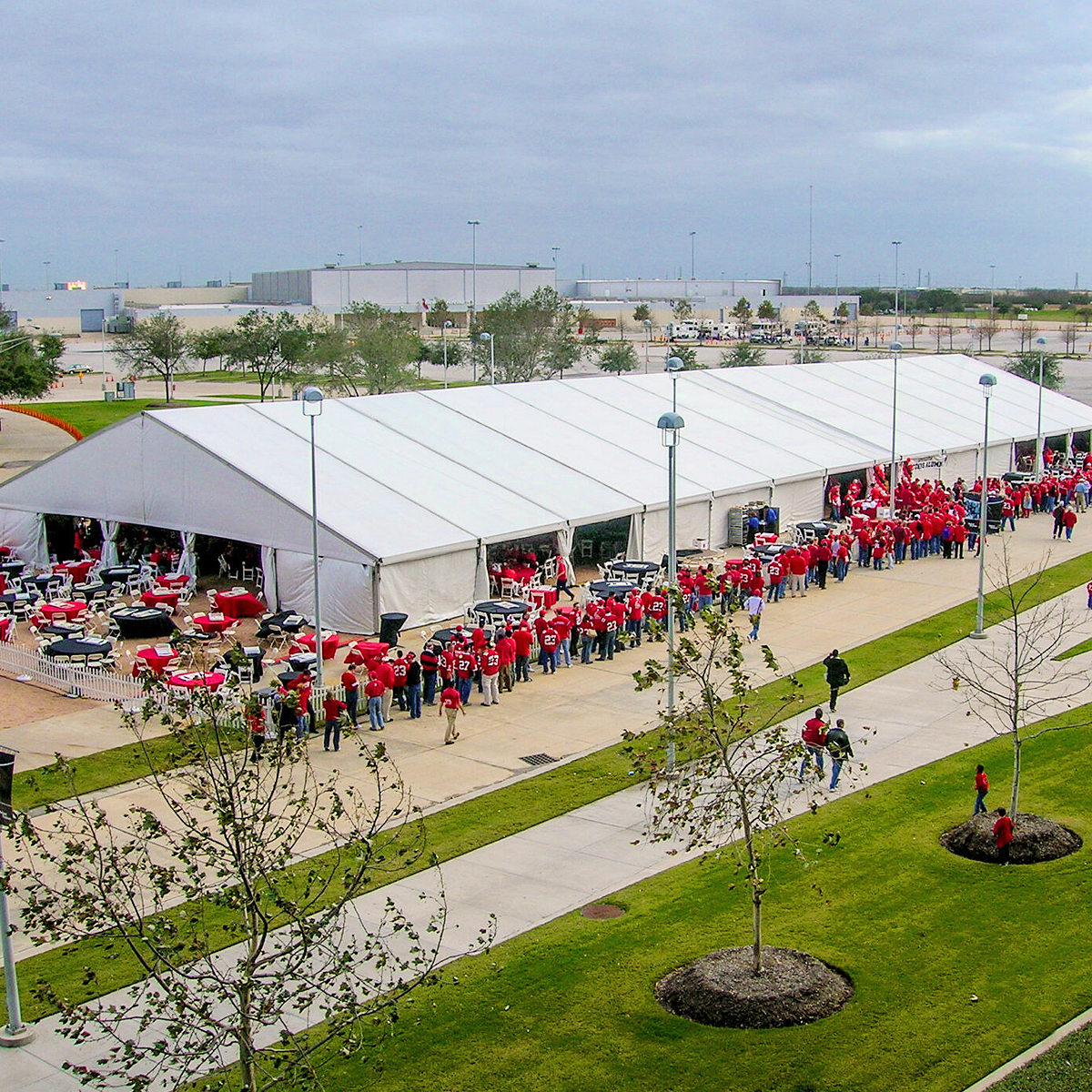
Doors complete the weather story. From a simple flap to a double glass door, a proper closable entrance keeps wind-driven rain out and keeps the conditioned air in. Glass doors are what make a structure tent read as a building rather than a tent.
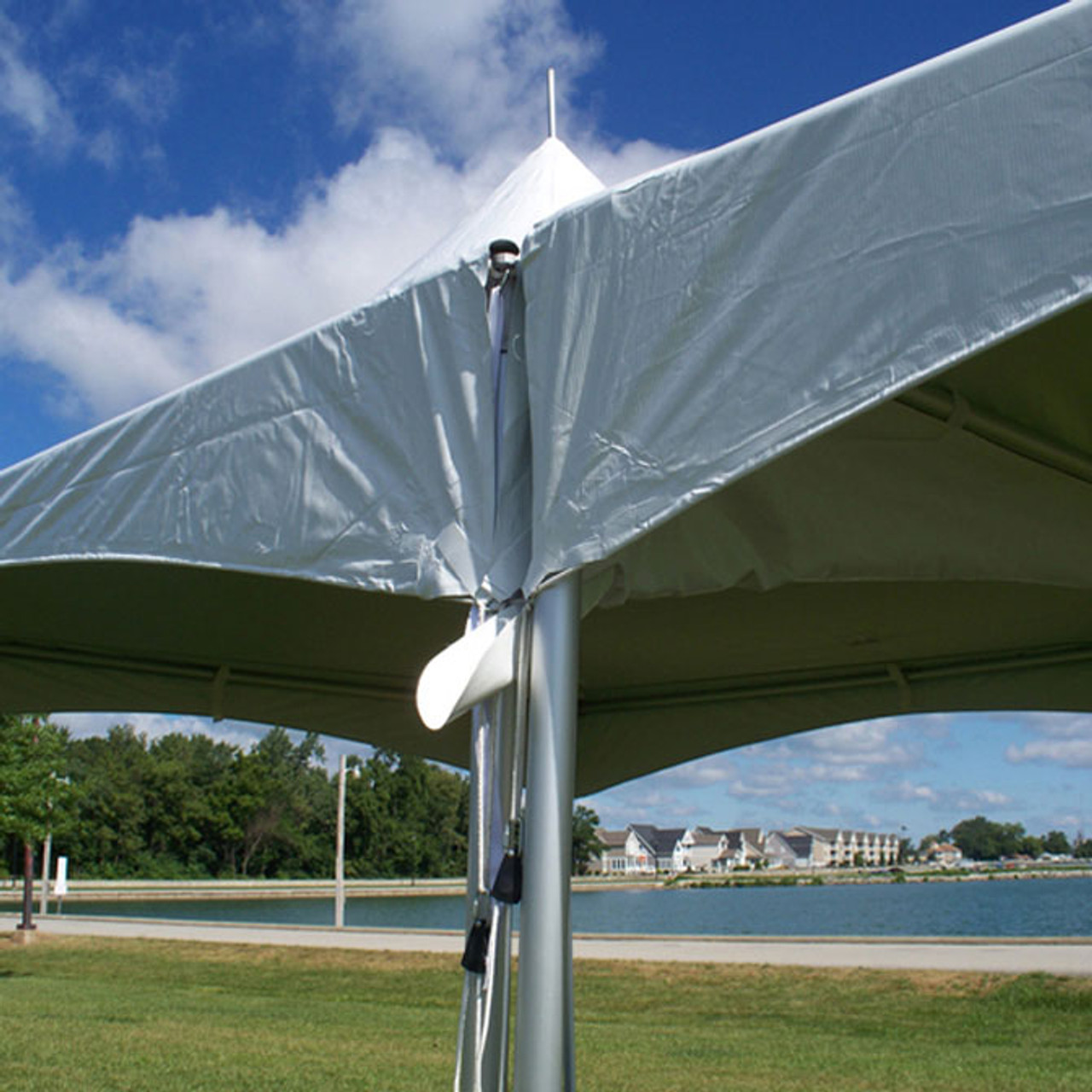
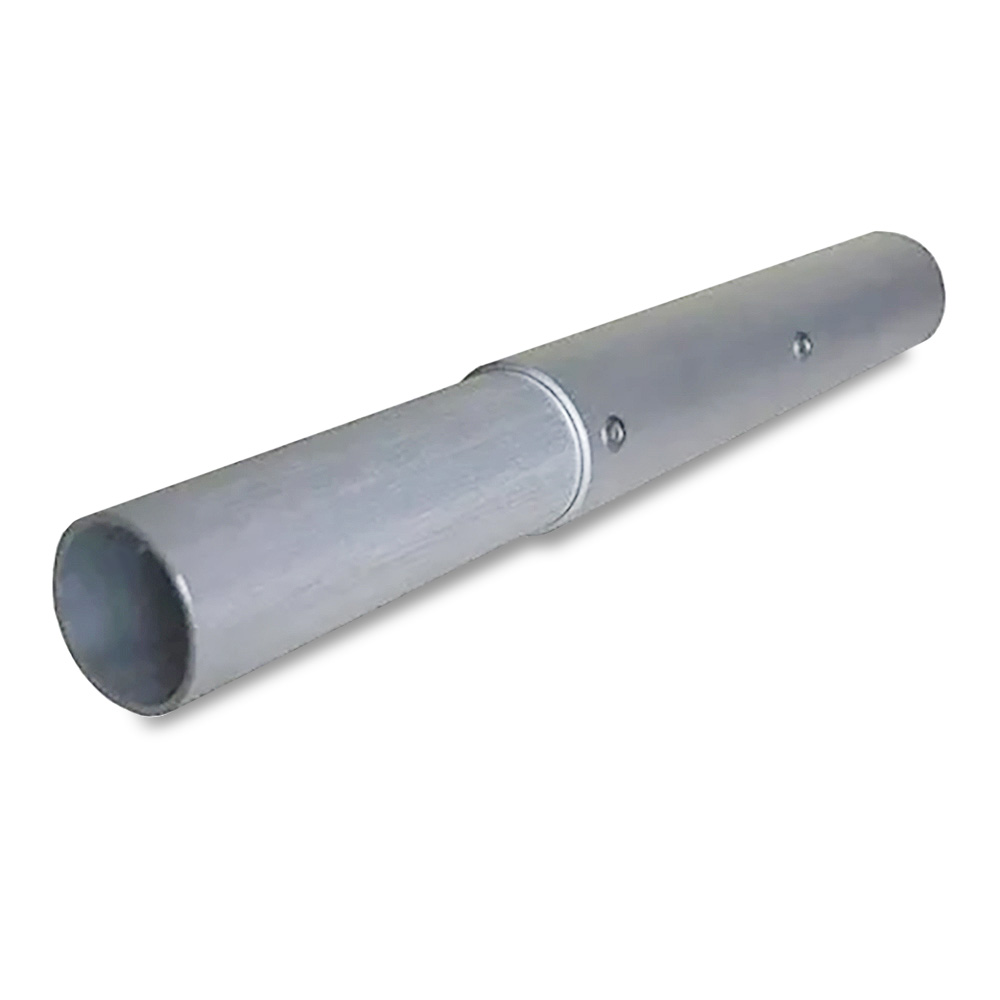
Leg extensions raise the eave height of a frame tent, for extra headroom, a taller entrance, or clearance over staging and equipment. On a warehouse or industrial structure, height decides whether a forklift works under the eave or a vehicle gets in, so extensions are a working specification, not a cosmetic one.
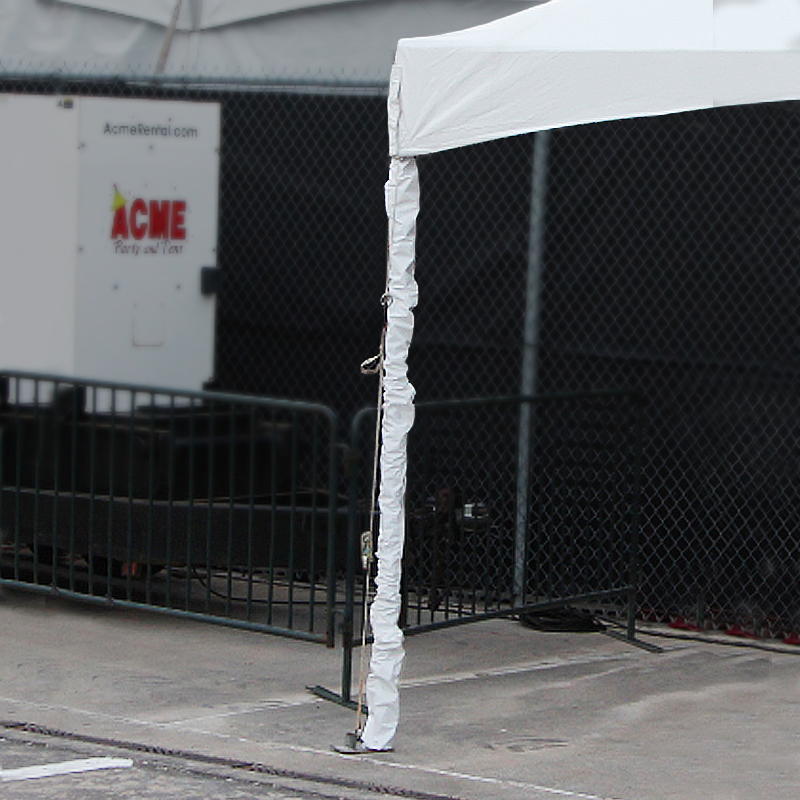
Tent pole and leg covers do the opposite job: they tidy what guests see, wrapping the structural legs so a wedding or gala interior reads as finished.
The tent first. Accessories are chosen to fit it, so the useful thing when you call is the tent size and type. From that ACME builds the accessory list: the right walls, the right amount of ballast, and the gutters and doors the layout needs.
Browse climate control and generators and power alongside the tent. Tell us the tent size and type. Request a quote or call 713-729-2424.
Because accessories are matched to the tent, it helps to know which family you are in.
Frame tents take frame-specific solid, clear and window sidewalls, leg extensions, rain gutters, and water barrel or concrete block ballast on hard surfaces.
Structure tents and Keder track tents take structure-specific solid and cathedral window sidewalls, double glass doors, rain gutters, concrete block ballast and leg covers.
Festival marquee tents use frame tent walls and, on hard-surface sites, water barrel ballast at every tent in the run.
Clear top tents take everything a structure tent does, with clear and cathedral window walls the usual choice to keep the open look.
The season decides more of the accessory list than taste does.
Accessories are not dropped off beside the tent. The same crew that builds the tent fits the walls, hangs the doors, sets the gutters and places the ballast, in sequence, as part of the install. Walls are matched to the tent type before the truck leaves, so the right frame or structure panels arrive with the right tent.
Ballast is calculated against tent size and exposure, not guessed, and it goes down before anything else is loaded in. Where a permit or fire marshal review asks about anchoring, that calculation is what answers the question. ACME’s tent installation service covers the full sequence across Greater Houston and the Gulf Coast.
Tell us the tent size and type and we will build the accessory list: the right walls, weights, gutters and doors, delivered and fitted with the tent.
No. Walls are matched to the tent type. Structure tents take structure-specific sidewalls; frame tents take frame ones. Tell us the tent size and type and we will supply the walls that fit it.
Yes. You cannot meaningfully cool an open-sided tent. If climate control is in the plan, sidewalls are part of the same order, and the generator is sized to the enclosed space.
On soft ground a tent stakes in; on concrete, asphalt or a deck it cannot, so it is ballasted with water barrels or concrete block weights. Proper anchoring is a safety requirement, not an extra.
It bridges the gap where two tents meet, or where a tent meets a building, so rain does not pour into the join. At a Houston event it is the difference between a dry walkway and a waterfall onto guests.
They raise the eave height of a frame tent, for extra headroom, a taller entrance, or clearance over a stage or equipment.
Start with the tent. Give us the size and type and we build the accessory list from it: the right sidewalls, the right amount of ballast, and the gutters and doors your layout needs.
Serving Houston and the Gulf Coast for decades
Delivering across Southeast Texas
Disaster relief & emergency deployments
Tents, furniture, power, climate & service
From corporate gatherings to a festival for thousands, ACME’s event specialists will walk you through the entire process.