Keder Track Tents: The Engineered End of the Range
Panel-track structures with a taut, sealed envelope. What Keder means, when it is the right specification, and what the install involves.
Keder track tents take their name from how the fabric attaches to the frame. Instead of being tensioned over the structure and secured at the edges, the roof carries a beaded edge, the keder, that slides into a track built into the frame. That one detail changes the finish, the install footprint and the spans that are practical. Keder is not a default tent; it is a specification. This guide explains what it is, how it differs from a tensioned cover, and when it is the right call.
Browse Keder Track Structures and Accessories
The Keder track system and the structure-grade walls and covers it pairs with in the ACME rental catalog. Add them to your quote, or open the full Keder Track Tents rental page.
What Is a Keder Track Tent?
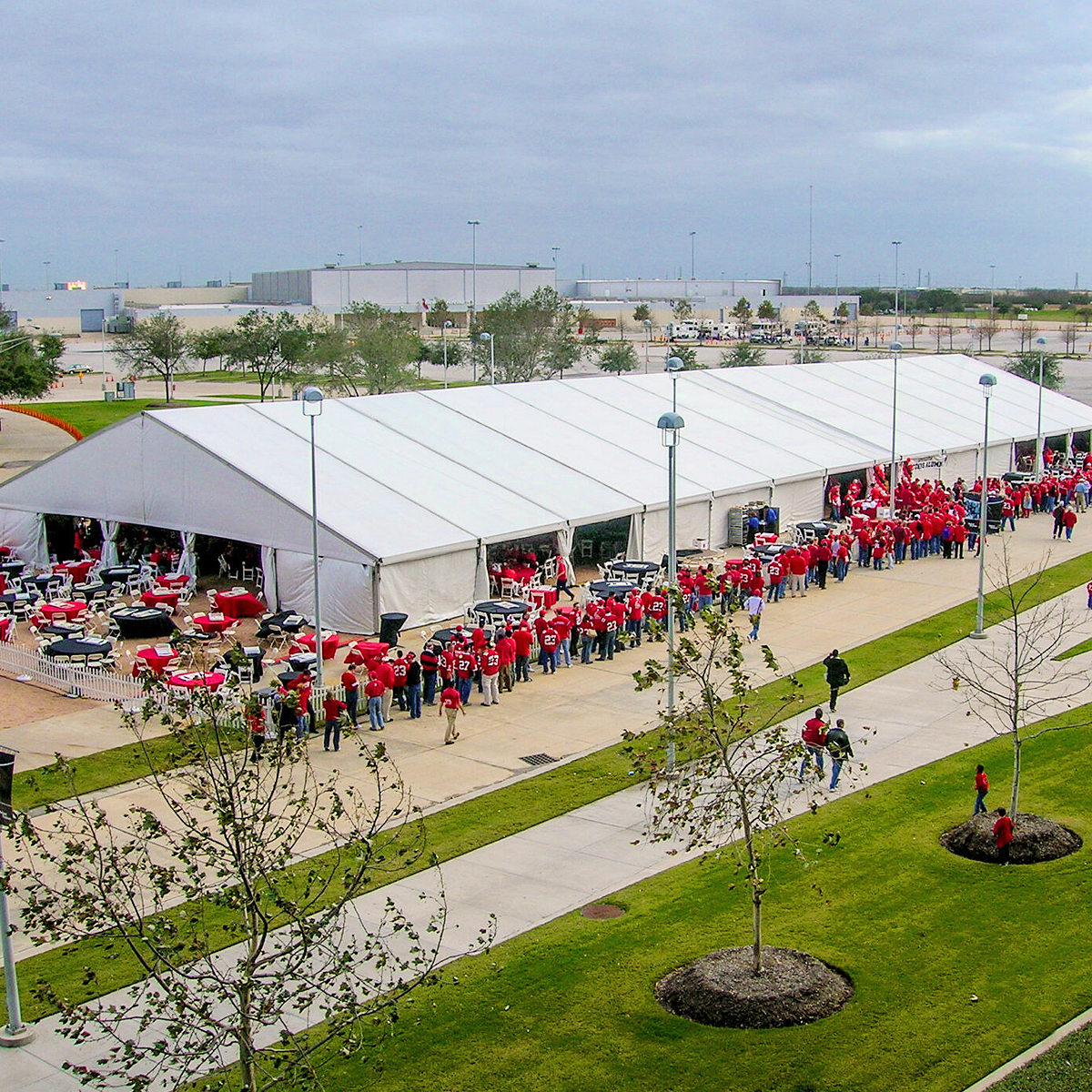
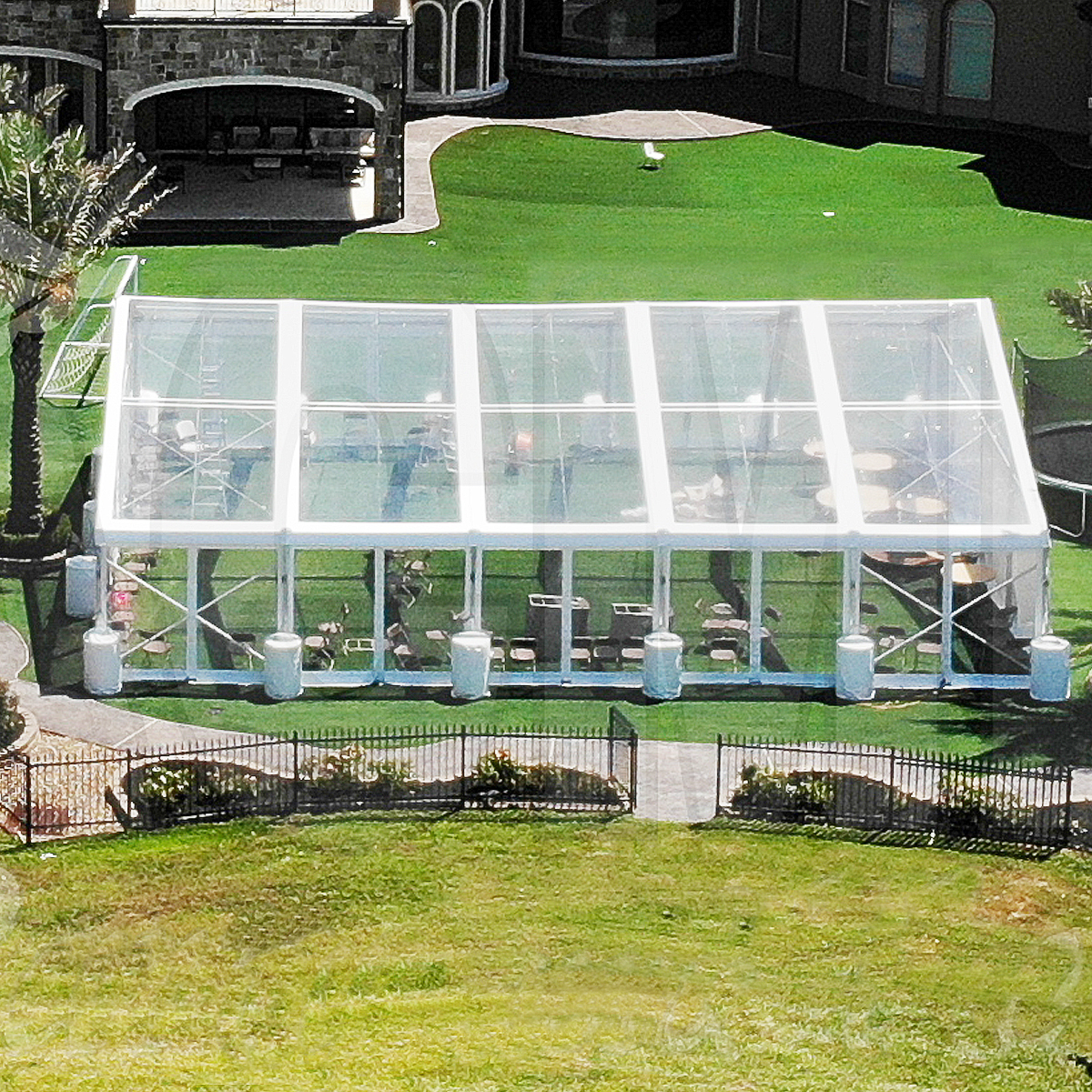
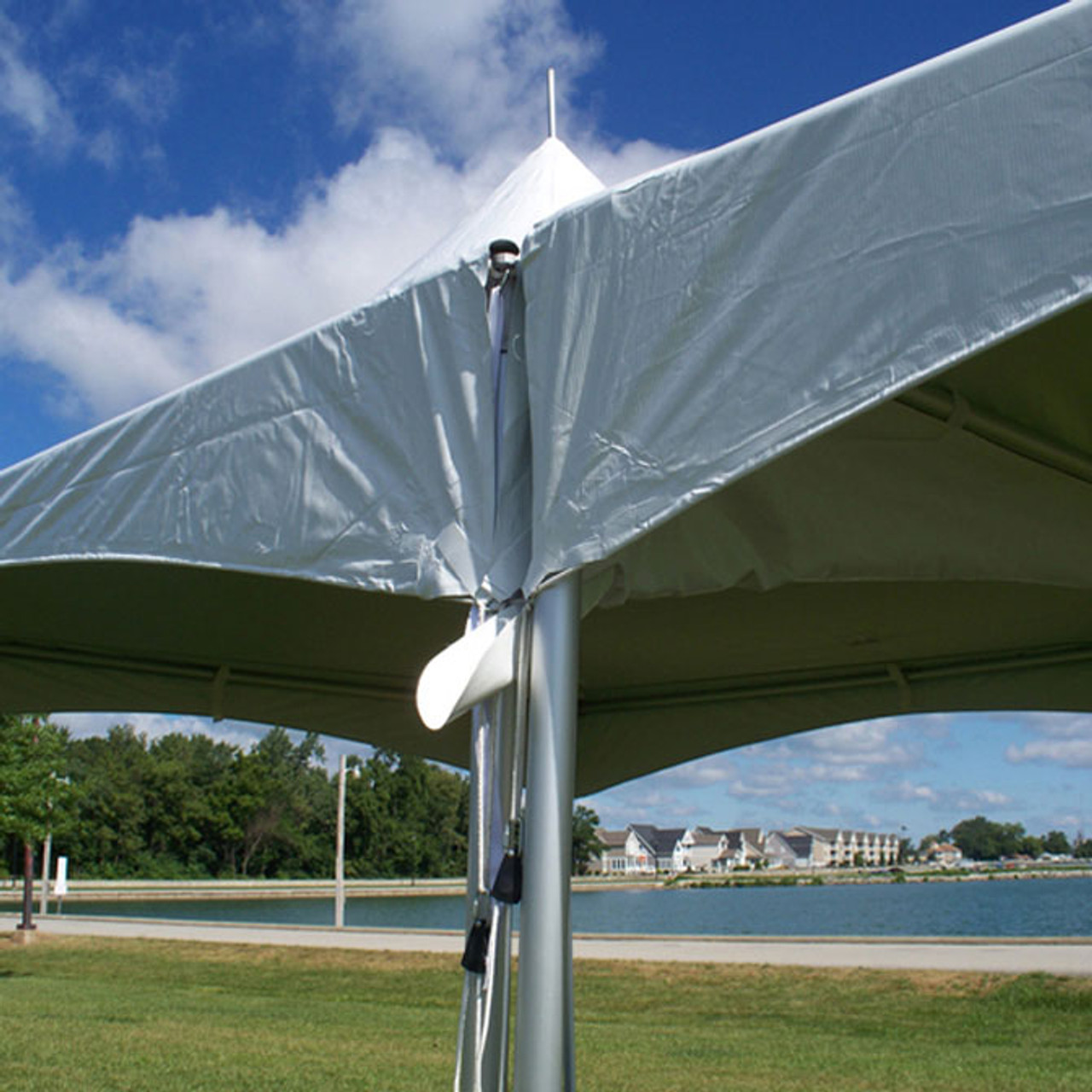
A Keder track tent uses fabric panels with a welted, beaded edge that slides into aluminum track channels on the frame. The cover feeds along the track section by section as the structure goes up, and each panel is locked in along its full length rather than at points.
Everything else is structure tent engineering: clear span, no interior poles, built to stand. The fabric is held continuously, so it sits taut and flat with no tensioning over the top of a large span. Because the roof feeds in from one end, the install works in places where you could not drape a cover over the whole footprint.
If you are new to the structure family, start with the Structure Tent Guide. Keder is the specialized version of that idea.
How Does Keder Differ From a Tensioned Cover?
Three practical differences.
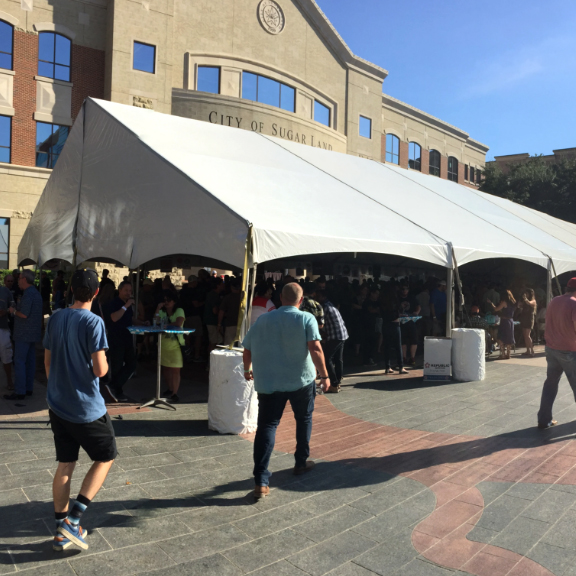
Finish. A tensioned cover pulls tight at its anchor points, which on a big span can leave ripples between them. A Keder roof is held along its whole edge, so the roofline stays clean. That matters when the structure is part of the presentation rather than just cover.
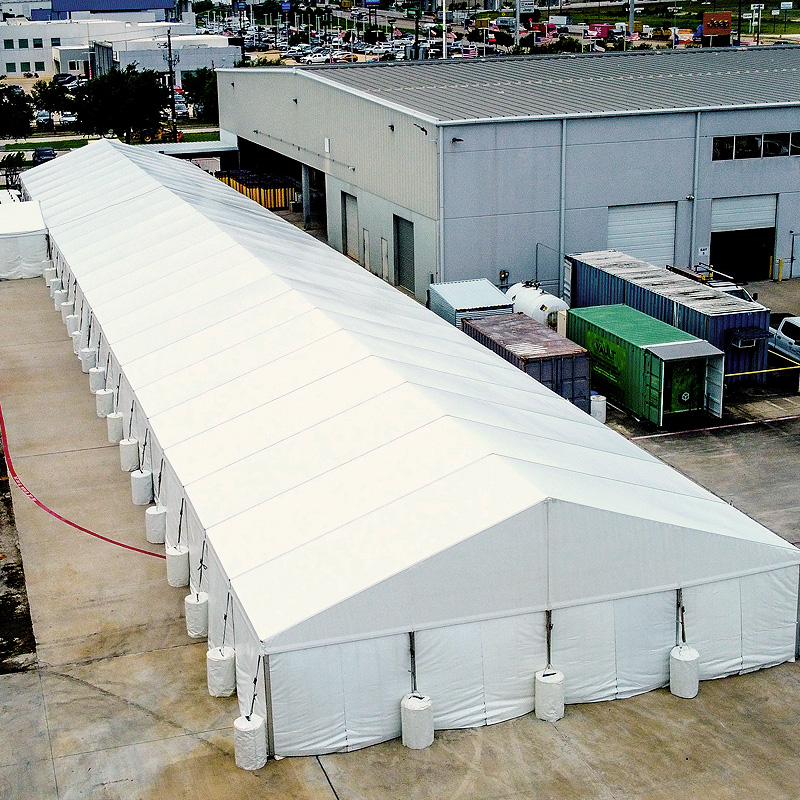
Install footprint. Feeding a roof along a track needs room at one end, not clear space over the entire structure. On a constrained site, that is often the difference between possible and not.
Span. Continuous attachment handles larger widths predictably, which is why Keder shows up on the jobs where a standard frame tent stops being the right tool.
What Are Keder Track Tents Used For?
Keder is the platform behind much of ACME’s commercial and industrial tenting. The uses cluster around span, duration and finish:
- Exhibitions, corporate installs and brand activations where the roofline is on show
- Temporary warehousing and storage structures
- Industrial work-site cover and turnaround support
- Long-term installations that stand for months
- Covered operations with nothing in the middle of the floor: production space, assembly, staging
When Is Keder the Right Choice?
When at least one of three things is true.
The span is large. Past a certain width, Keder is simply the sensible system.
The site is awkward. Tight access, no room to work over the top, a short install window, or a surface that complicates everything. Keder installs where tensioned covers struggle.
The finish matters. Exhibitions, corporate installs, brand activations, anything photographed or anything a client walks a customer through. If the structure is part of what you are presenting, the roofline is worth paying attention to.
If none of those apply and the job is a weekend event, a frame tent is cheaper and quicker. Keder is not a default. It is a specification.
What Spans, Sizes and Site Conditions Suit Keder Track?
Keder structures scale in clear-span widths and extend in bays along their length. You add length rather than hunting for one enormous tent, and the usable area is the whole area. Height is the specification people underestimate: leg height decides whether a forklift works under the eave, whether racking fits, whether a vehicle gets in. Leg extensions add clearance where standard height is tight.
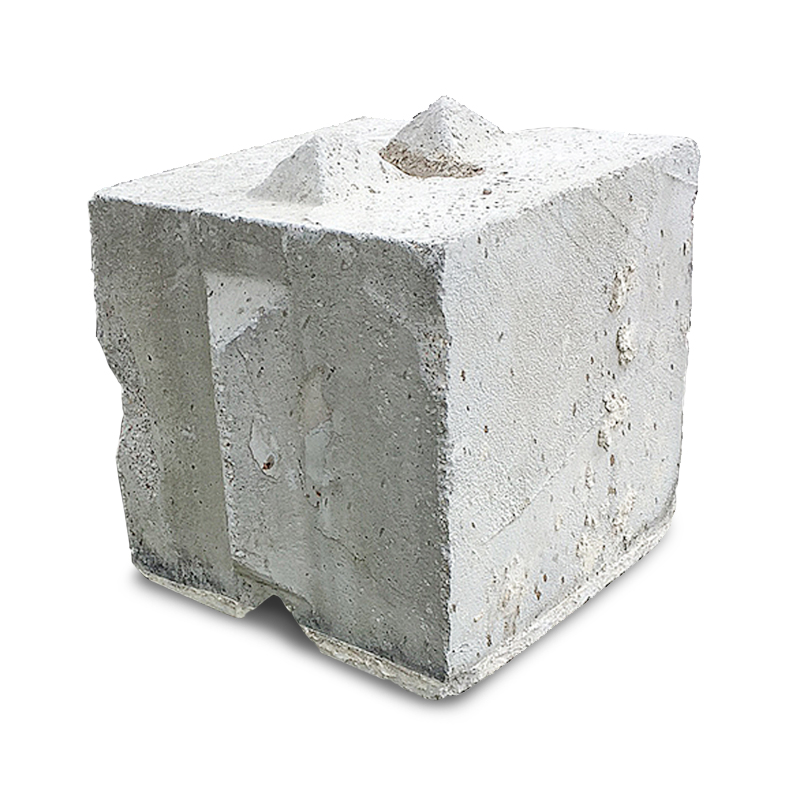
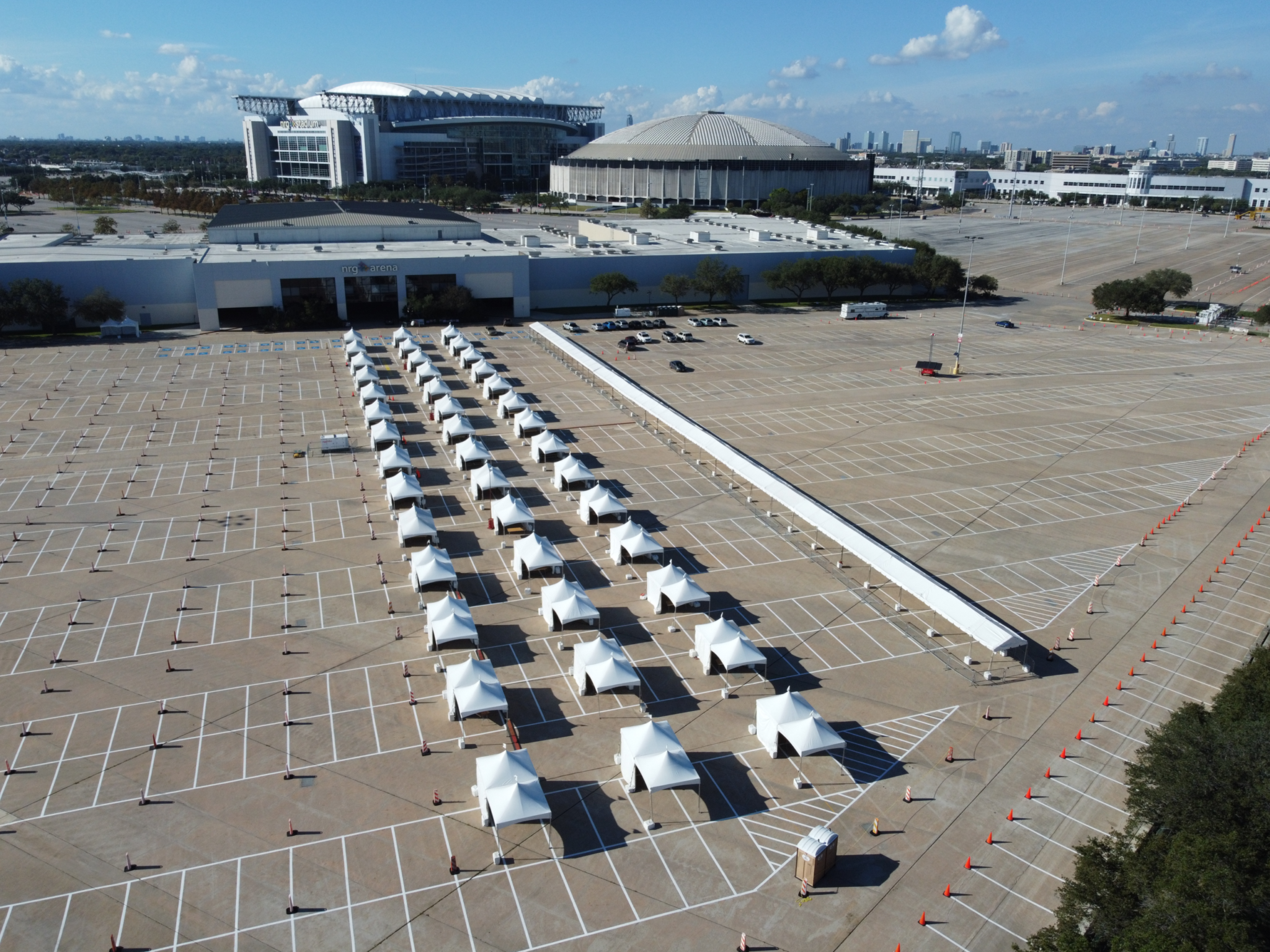
The site drives a Keder install more than the catalog does. Access first: the roof feeds from one end, so there has to be room to work at that end. Surface and anchoring: turf can usually be staked; concrete, asphalt and anywhere with services below cannot, so the structure is ballasted. Level: a long clear span wants ground that does not fall away. Drainage: decide where a Houston storm sends water before it decides for you.
ACME’s site survey settles all of this before anything is quoted. On Keder jobs it is not optional.
What Can You Add, How Long Can It Stand, and How Does Install Work?
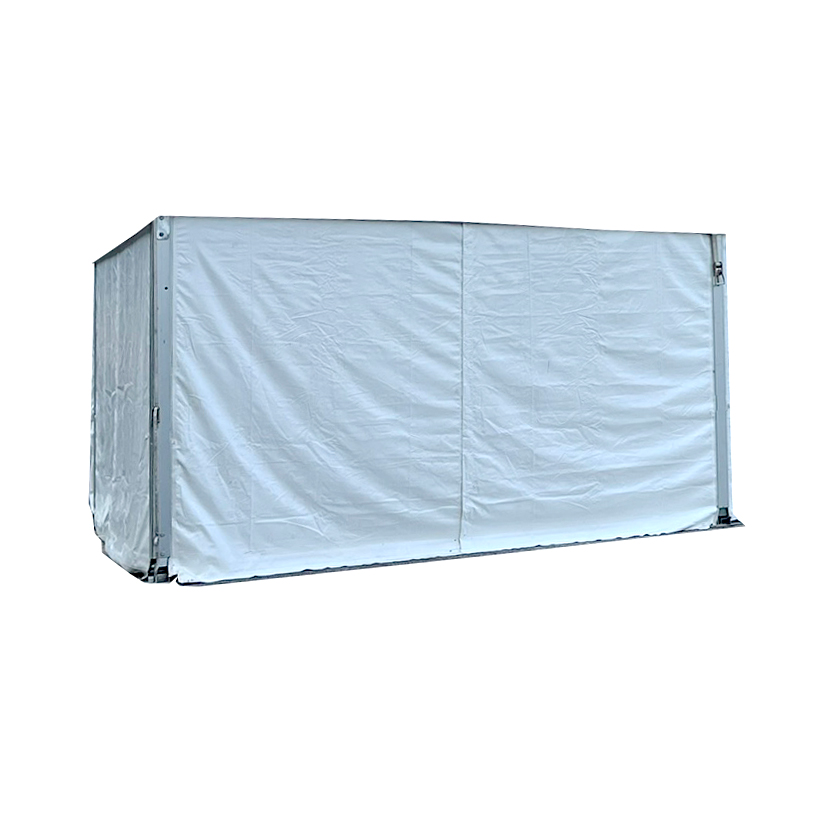
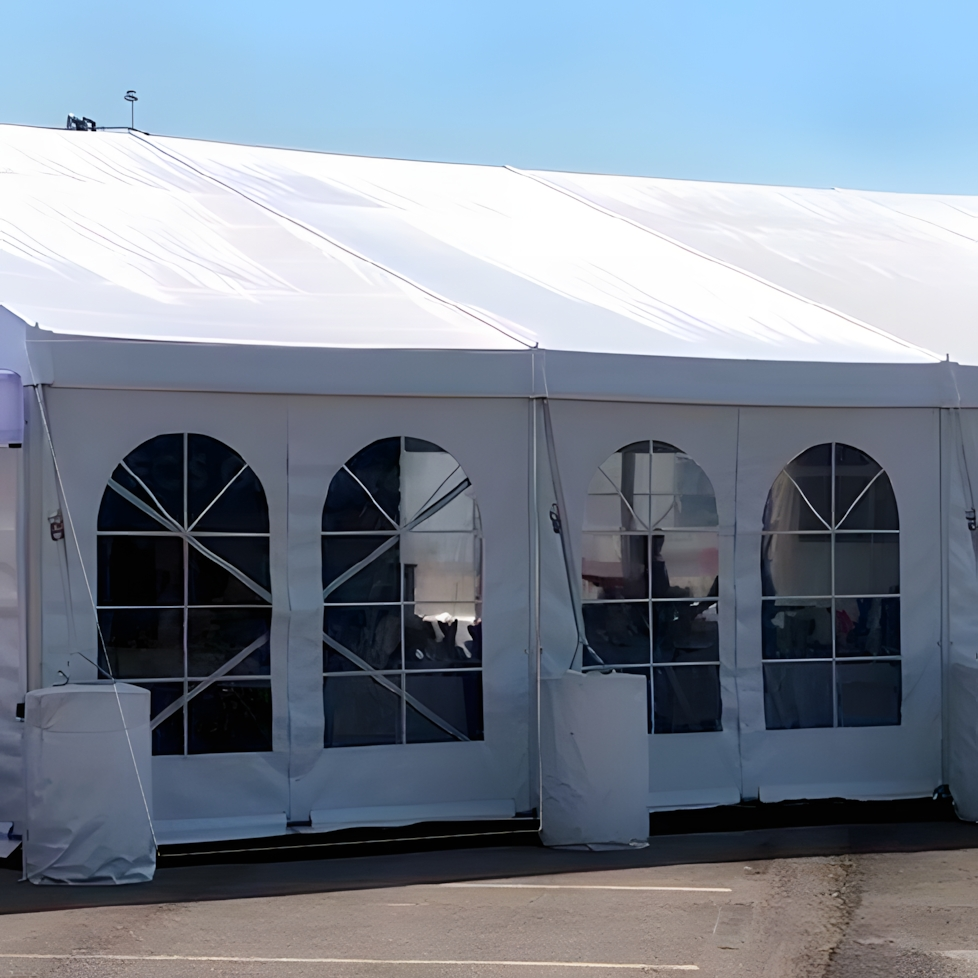
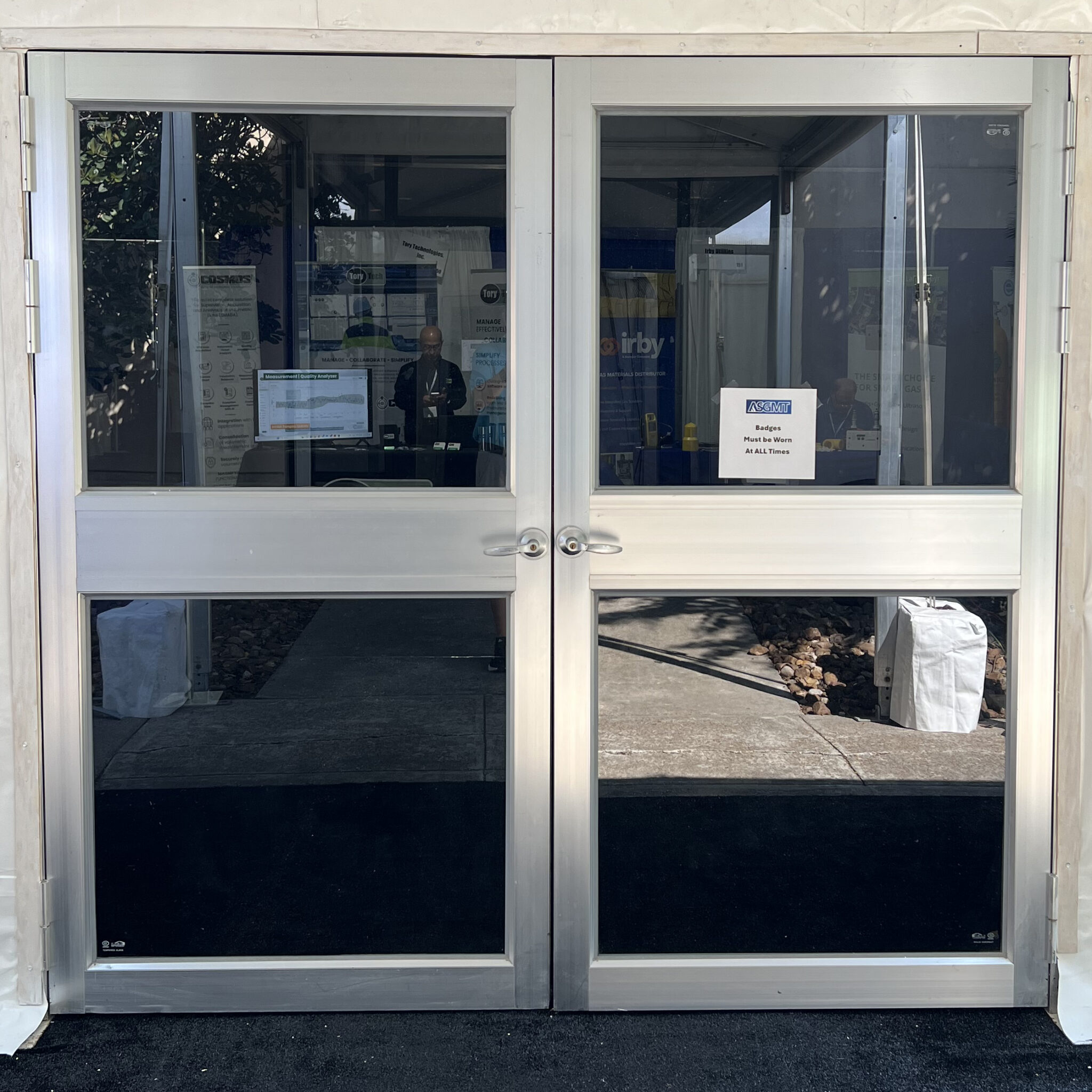
Everything a structure tent takes, and on these jobs most of it is expected rather than optional: solid, cathedral window or clear sidewalls, proper doors including glass doors, climate control sized against footprint and occupancy, generators and distribution, lighting, rain gutters where structures join, and flooring where the ground is not the finished answer.
Short installs run days to weeks. But these structures routinely stand for months, and at that point a long-term lease is usually the better instrument than a rolling rental. A structure standing through a Houston season handles wind and rain repeatedly and wants a maintenance plan and a storm plan.
Keder installs are engineered, crewed and scheduled: survey, spec, quote, permit support, install, then a collection plan. Structures of this size generally need a permit, and enclosed ones can attract fire marshal review. ACME installs across Greater Houston and the Gulf Coast, including Katy, Sugar Land, The Woodlands and Galveston. Tell us the span and what has to fit under it. Request a quote or call 713-729-2424.
Keder Track Tents for Exhibitions and Brand Activations
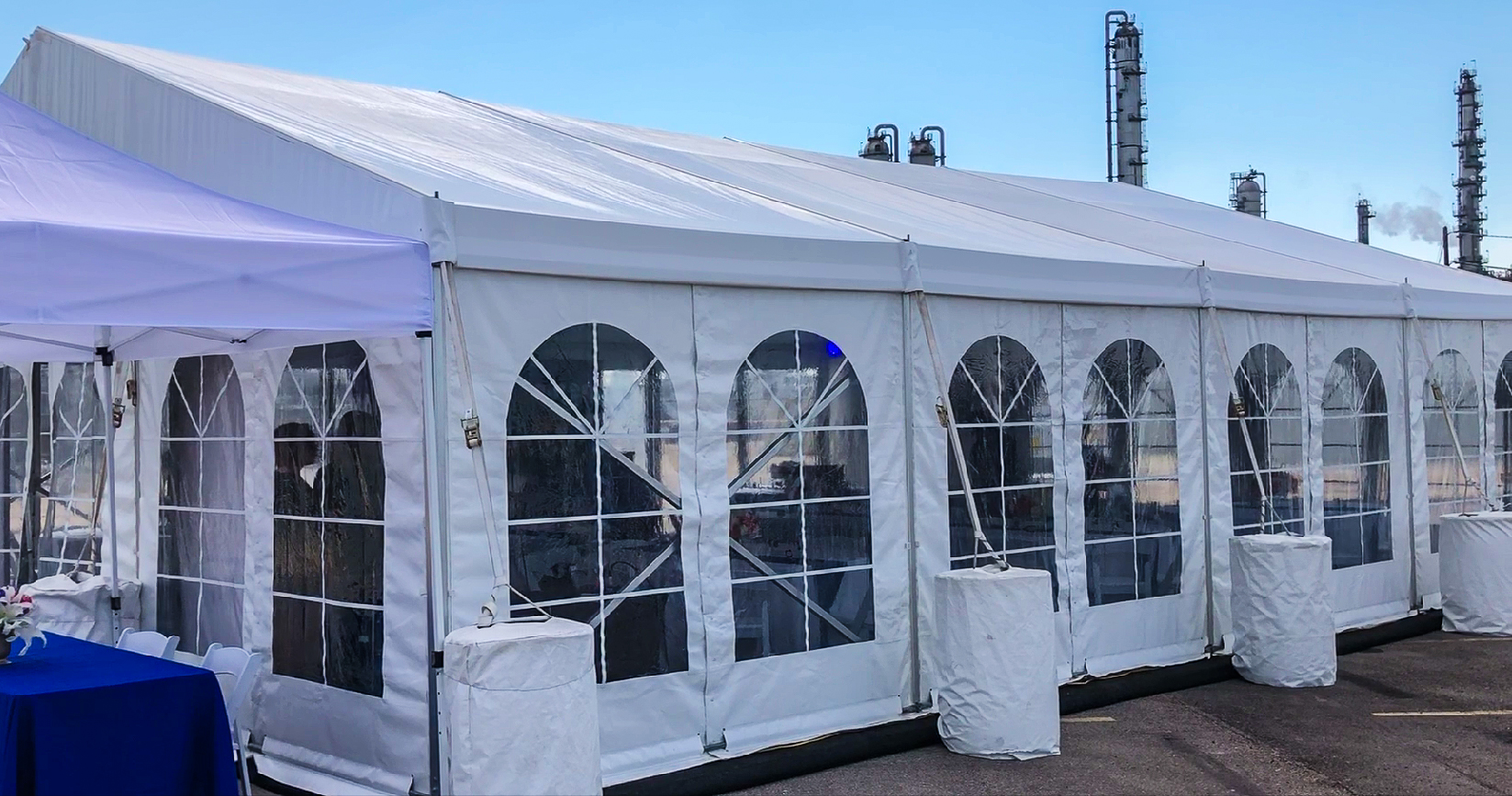
When a structure is part of what you are presenting, the roofline is on show. Exhibitions, corporate installs and brand activations are where Keder earns its specification: a taut, clean roof with no ripples between anchor points, glass doors that make the entrance read as a building, and a clear-span floor with nothing in the middle of the exhibit.
These are also the installs where the site is often tight: a plaza, a convention center apron, a parking structure. Because the roof feeds along the track from one end, Keder goes up where a tensioned cover could not be draped. For the event side of trade shows and expos, see the Trade Show and Expo Tent Rentals guide.
Keder vs. Structure vs. Frame: A Quick Comparison
All three are clear span with no interior poles. The differences are weight, duration and how the roof attaches.
- Frame tent: fabric fitted over a rigid frame; fast install; the right tool for weekend events on almost any surface
- Structure tent: heavier box-beam frame; engineered to stand for weeks and rated for serious weather; the venue-scale option
- Keder track tent: structure-grade frame with roof panels locked into a track along their full edge; the cleanest finish, the largest practical spans and the most constrained sites
- All three take sidewalls, doors, climate control, power and lighting; walls are matched to the tent type
Keder Track Structures and Long-Term Leasing
Because Keder structures are specified to stand, they are a natural fit for ACME’s long-term tent lease program, which runs from three months up with flexible financing and yearly discounts. A leased Keder structure is set up to be maintained through a Houston season and handed back, rather than struck after a weekend. If the operation under it has no firm end date, ask about a lease at the quote stage; it changes the specification as well as the price.
Specify the structure, not just the tent
Tell us the span, the site and what has to fit under it. We will survey, spec and build the Keder structure with one crew.
Frequently Asked Questions
A Keder track tent uses fabric panels with a welted edge that slides into aluminum track channels on the frame. Each panel is locked in along its full length, creating a taut, sealed, professional-grade tent envelope.
A frame tent has fabric fitted over the frame, which suits most events. Keder construction locks every panel into track, giving better wind and rain performance, a cleaner finish and easy reconfiguration, which suits longer or more demanding installations.
Commercial events, temporary warehousing and storage, industrial work-site cover, turnaround support and long-term installations. They are the platform behind much of ACME’s commercial and industrial tenting.
Yes. Keder systems are well suited to long-duration use, and ACME offers long-term arrangements through our tent lease program in addition to standard rentals.
Yes. These are engineered systems installed by trained ACME crews, with site review beforehand and teardown when the project wraps.

Family-Owned
Serving Houston and the Gulf Coast for decades
Houston & Gulf Coast
Delivering across Southeast Texas
24/7 Quick Response
Disaster relief & emergency deployments
One Vendor
Tents, furniture, power, climate & service
Plan your next event with ACME and let us worry about the details!
From corporate gatherings to a festival for thousands, ACME’s event specialists will walk you through the entire process.