web analytics

11144 S Post Oak, Houston, TX 77035

The ACME Tent Rental Guide

Every tent type ACME rents, explained in plain language, plus the sizing, pricing, permit and planning guides that go with them. Start here, then shop the catalog.

Start With the Right Tent, Then Plan Everything Around It

Almost every tent decision comes down to one question: what is holding the roof up? Frame tents carry their load on an external frame, so the inside is completely open. Structure tents are the heavy-duty version of the same idea, engineered for larger footprints, longer installs and harder conditions. Festival marquee tents take a different shape, with high peaks and fast installs. Clear tops trade the roof for the sky. Keder track systems lock the roof into the frame for the largest spans and the cleanest finish.

This page is the home for everything ACME has written about tents. The first section breaks out every tent type, each with its own guide explaining what the tent is, what it is used for, why you might need one, and a direct path to that tent in the rental catalog. The sections below collect the sizing, pricing, permit and event-specific guides that go with them.

Already know what you need? Go straight to Tent Rentals in the catalog, request a quote, or call 713-729-2424.

Every Tent Type, Broken Out

Ten guides, one per tent type. Each explains what the tent is, what it is used for, why you might need one, and links straight to that tent in the rental catalog.

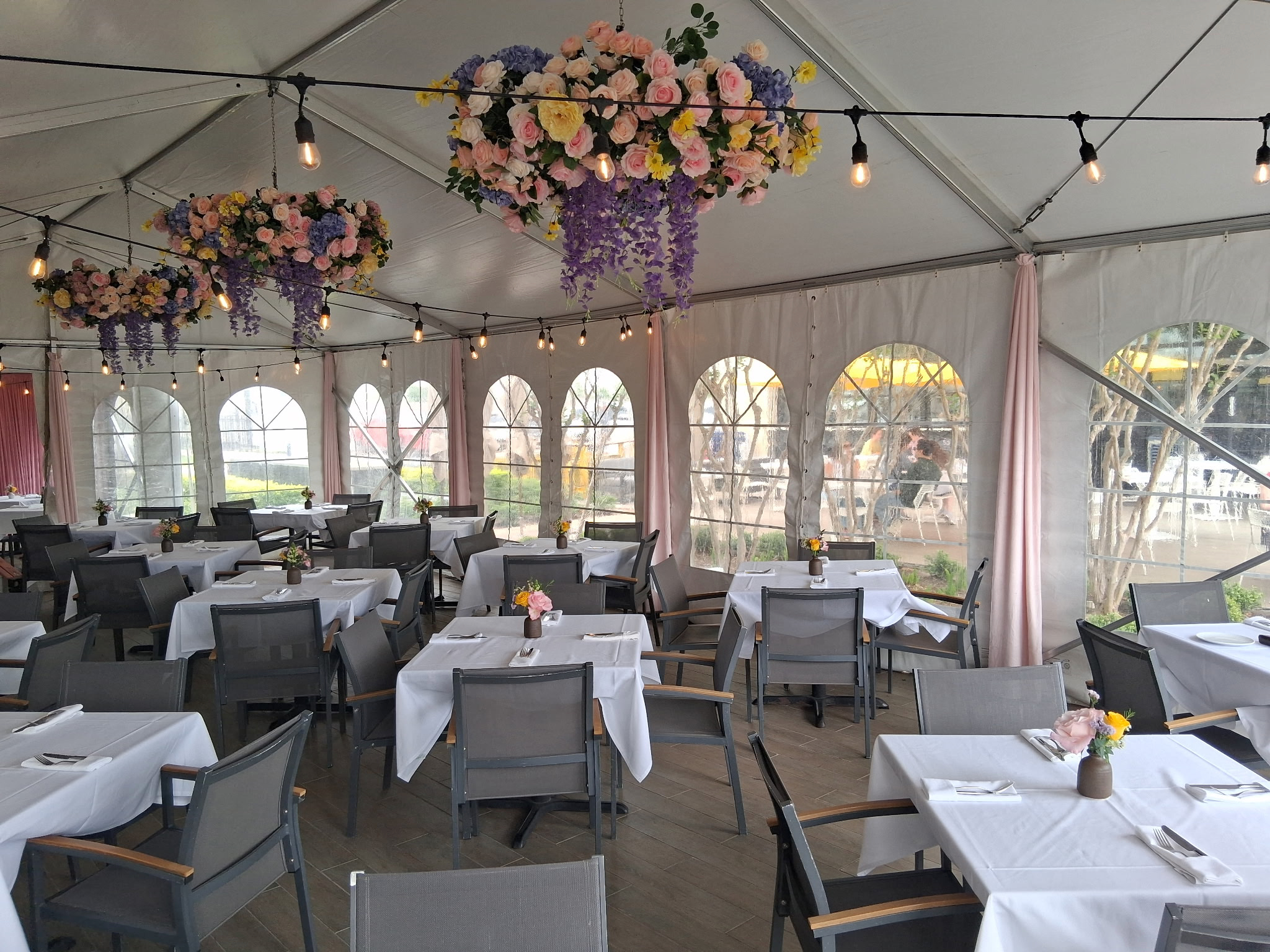
The versatile, pole-free workhorse for weddings, corporate lawns, patios, driveways and hard surfaces.

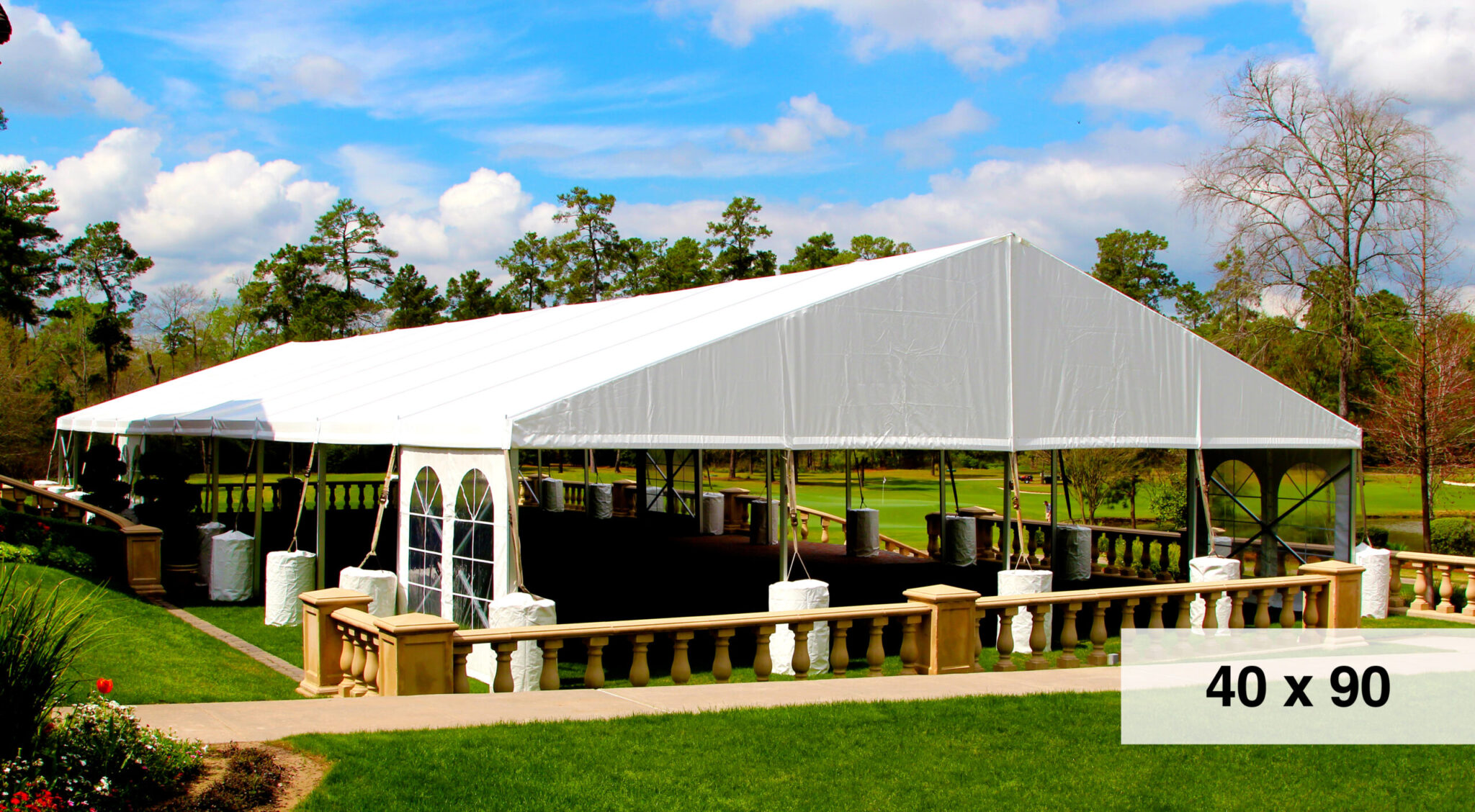
Engineered clear-span frames for galas, exhibitions, long installs, industrial sites and weather that cannot cancel the event.

A structure tent with a transparent roof. Spectacular after dark for weddings and galas, with real planning needed for daytime heat.

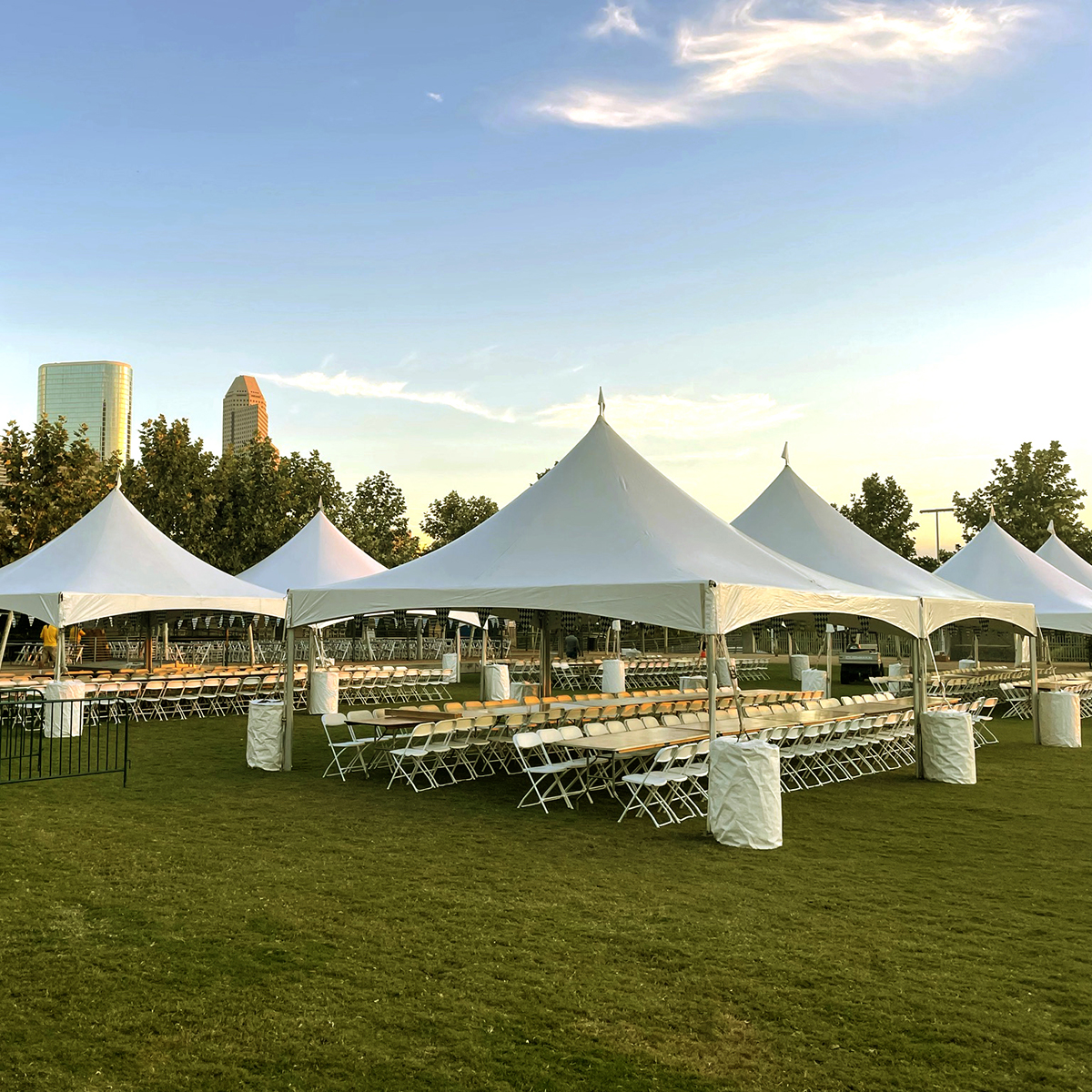
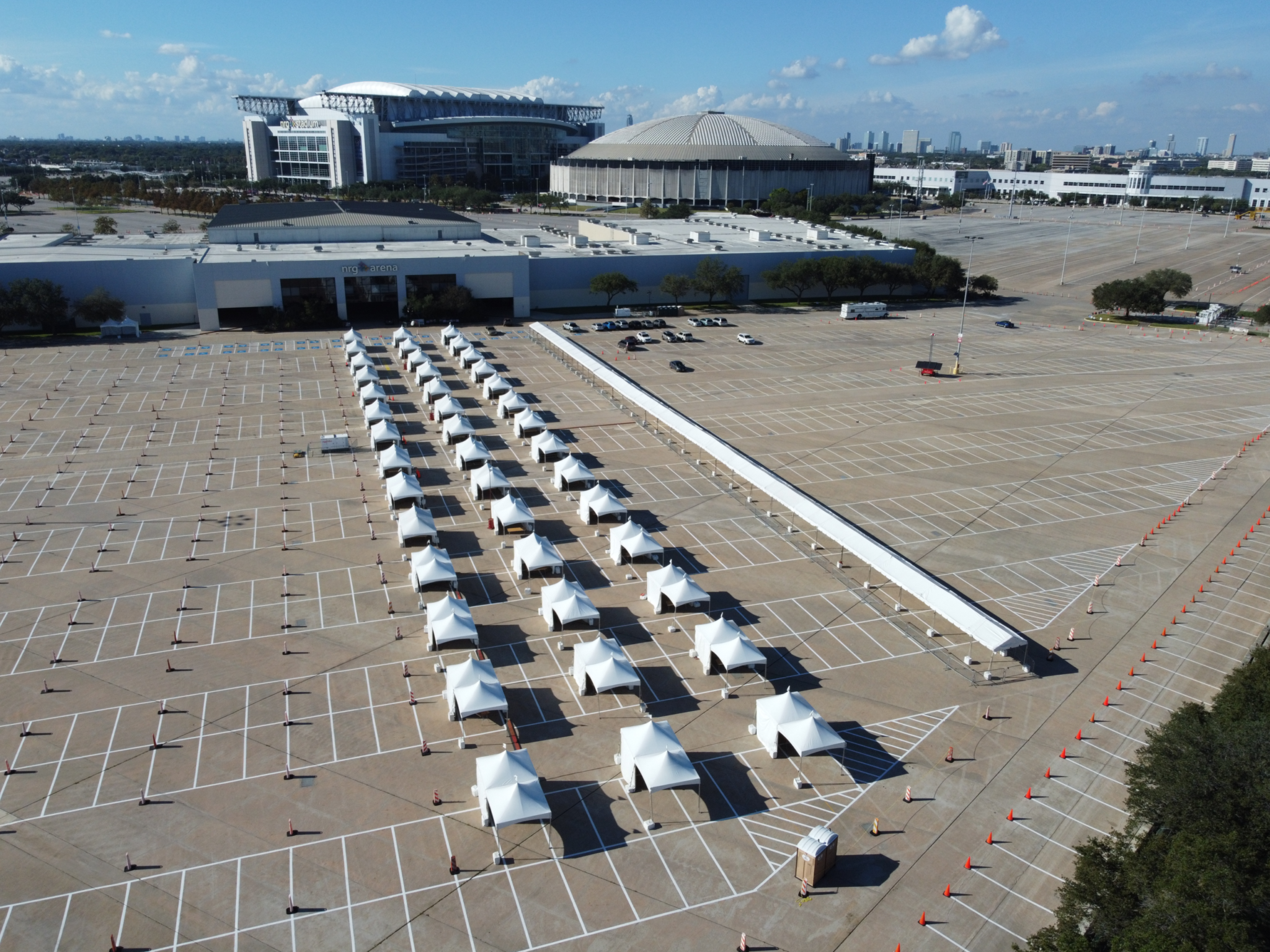
High peak frame tents that install fast and scale by repetition. Vendor rows, gates, registration, food and sponsor areas.

Roof panels lock into a track for a taut, sealed finish. The system to specify when the span is large, the site is tight or the finish matters.

The umbrella category for weddings, corporate days, private parties and fundraisers. Which tent family fits, and what goes with it.

Structures doing a building’s work: corporate programs, retail activations, covered operations and anything standing longer than a weekend.

Clear-span storage and workspace for inventory overflow, equipment, turnaround staging and emergency operations.

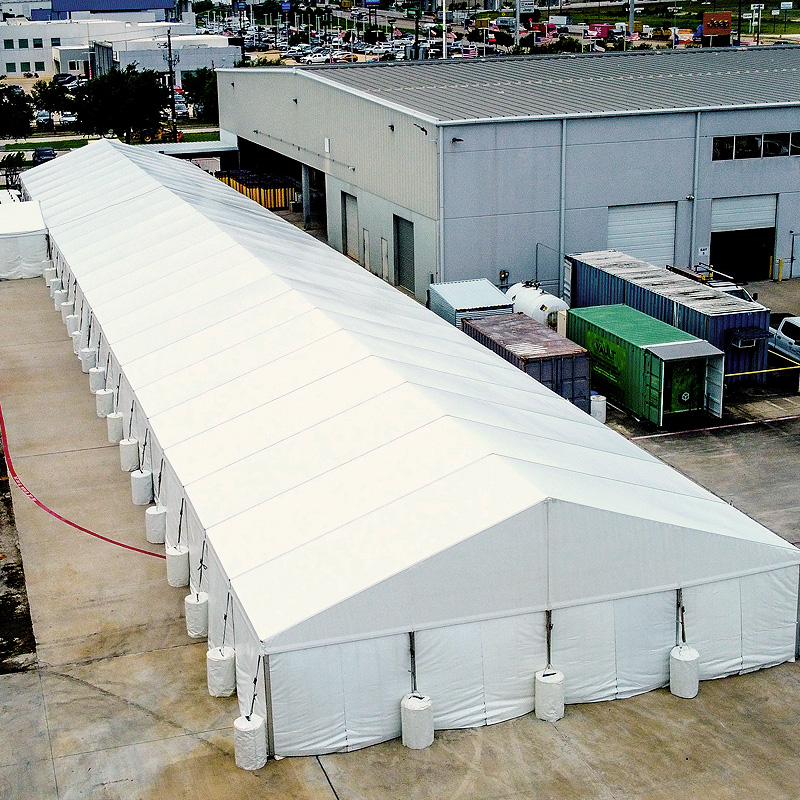
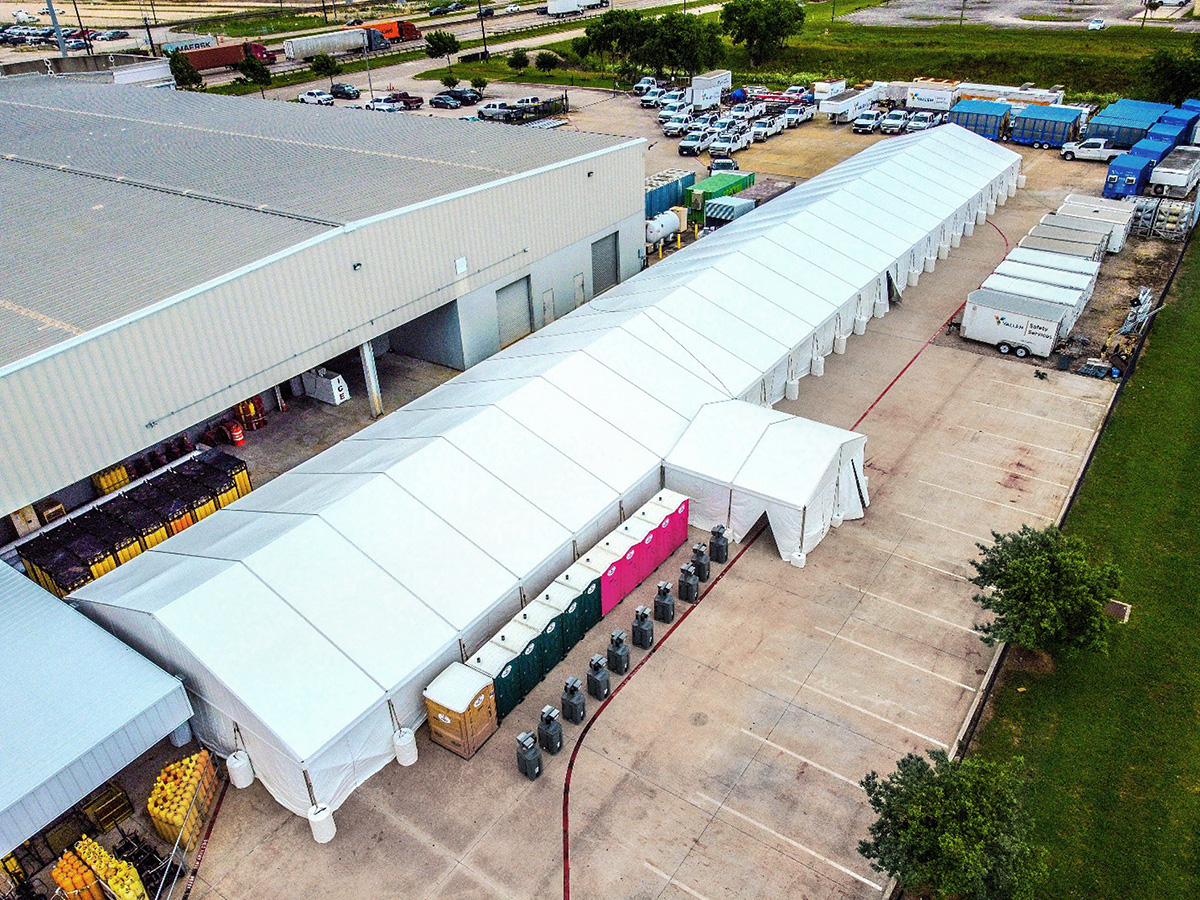
Clear-span structures sized for forklifts and shift patterns: turnarounds, laydown yards, break rooms, healthcare overflow and emergency response.

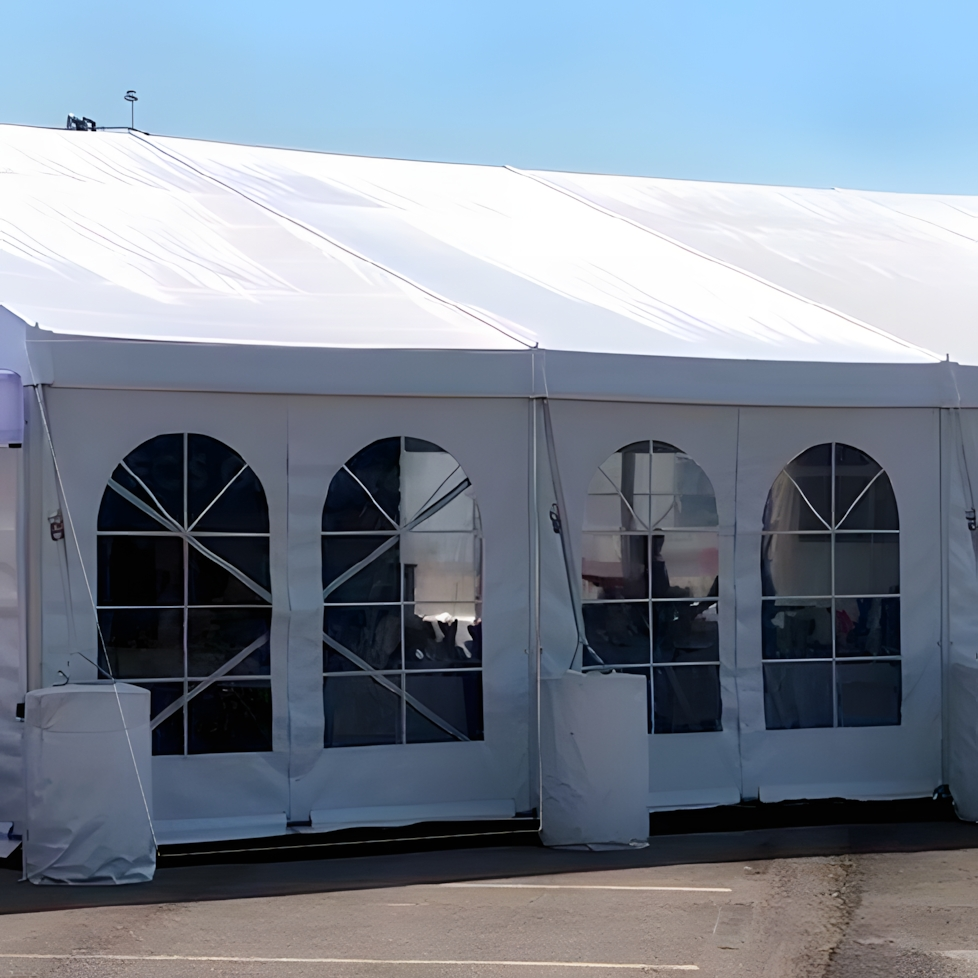
Sidewalls, doors, rain gutters, ballast and leg extensions. The pieces that make a tent walled, cooled, dry and safely anchored.

Tent Types at a Glance

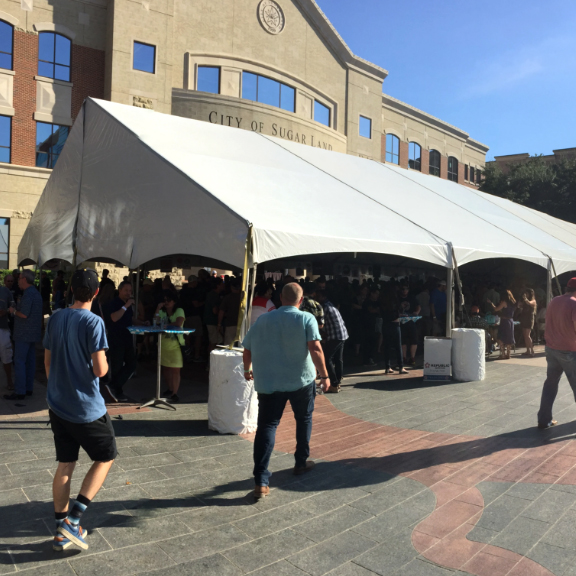
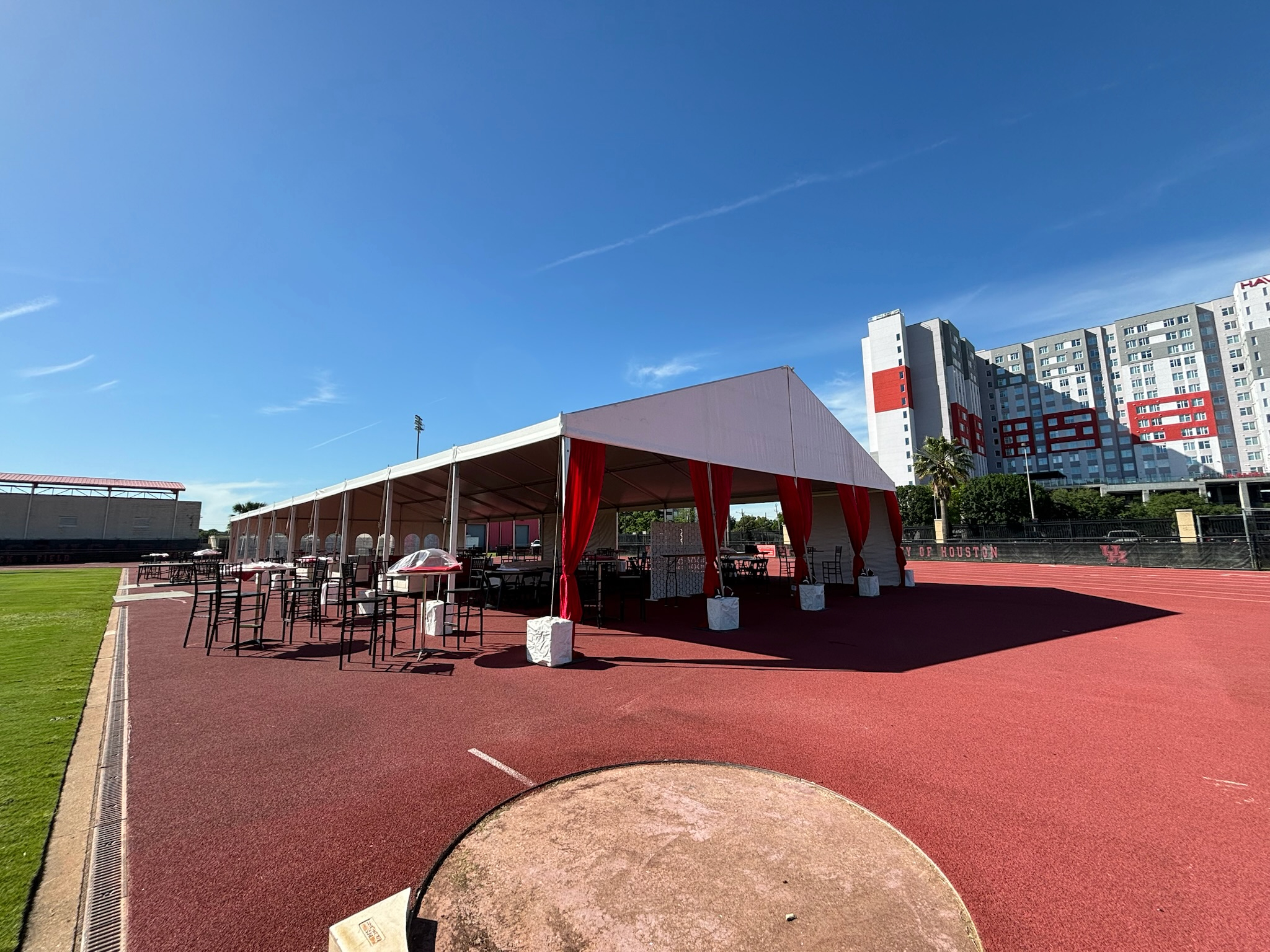
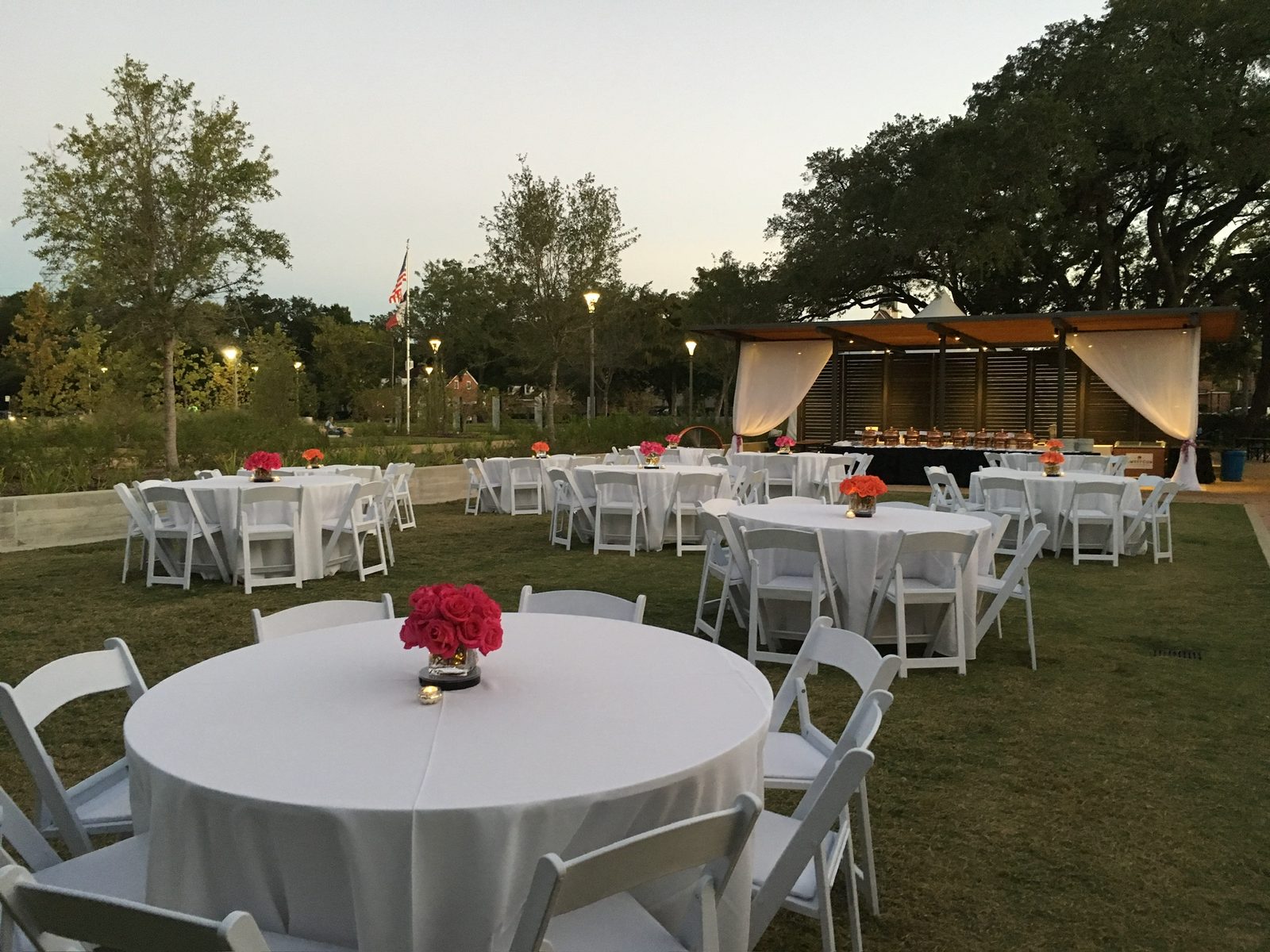
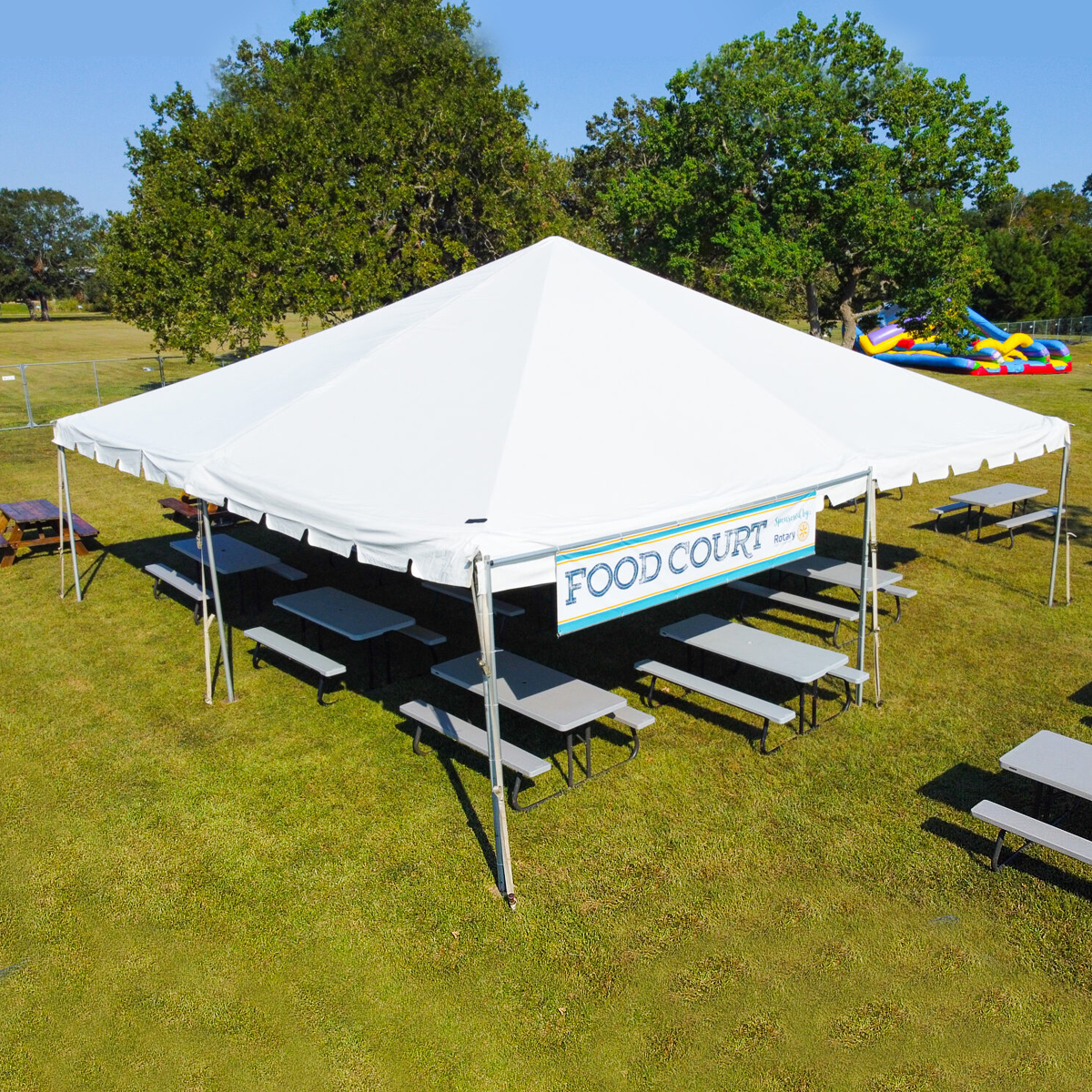
Frame tents carry their load on an external frame, so the interior is open and the tent can stand on grass, concrete, a deck or a driveway. The flexible, fast-install choice for most weddings, corporate events and parties.

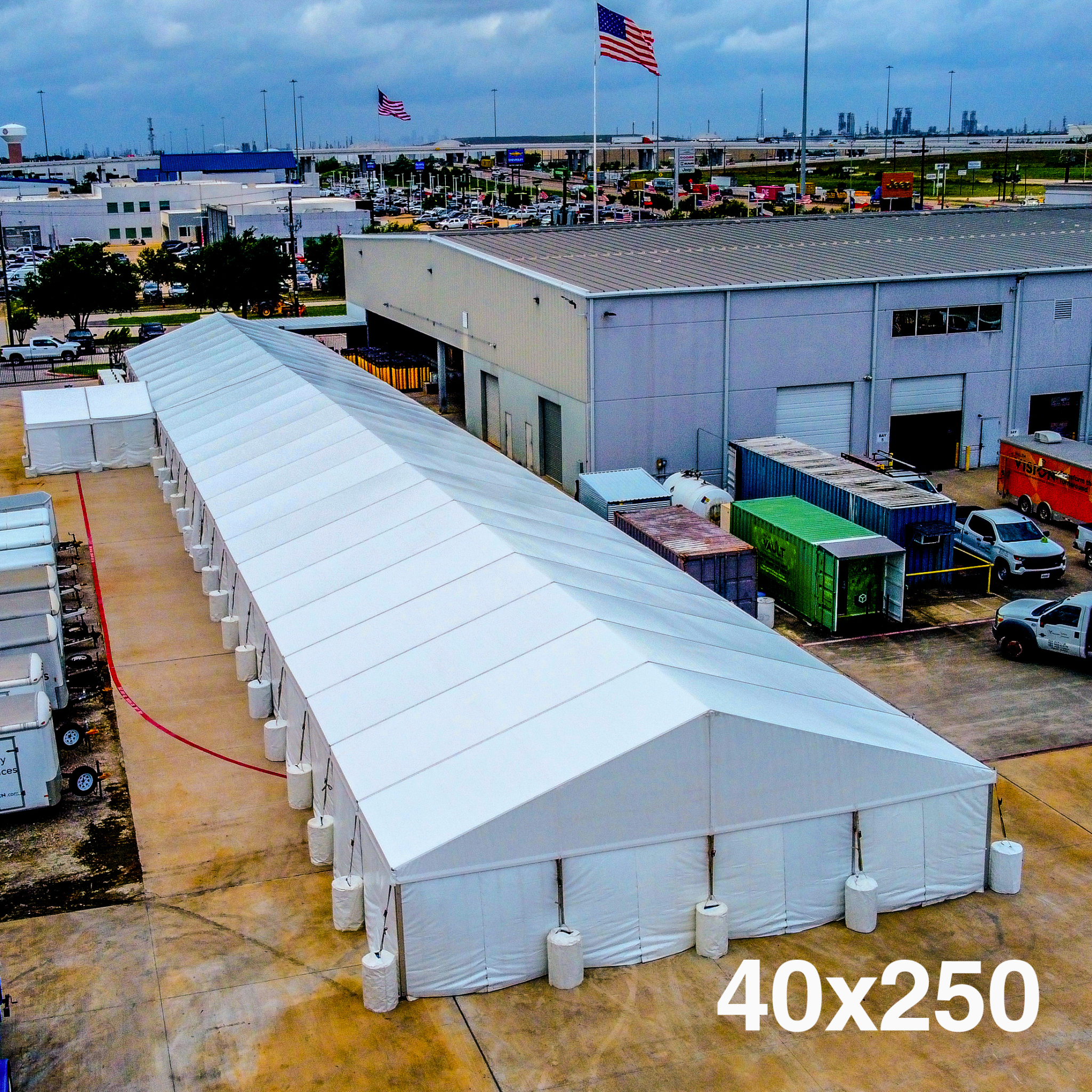
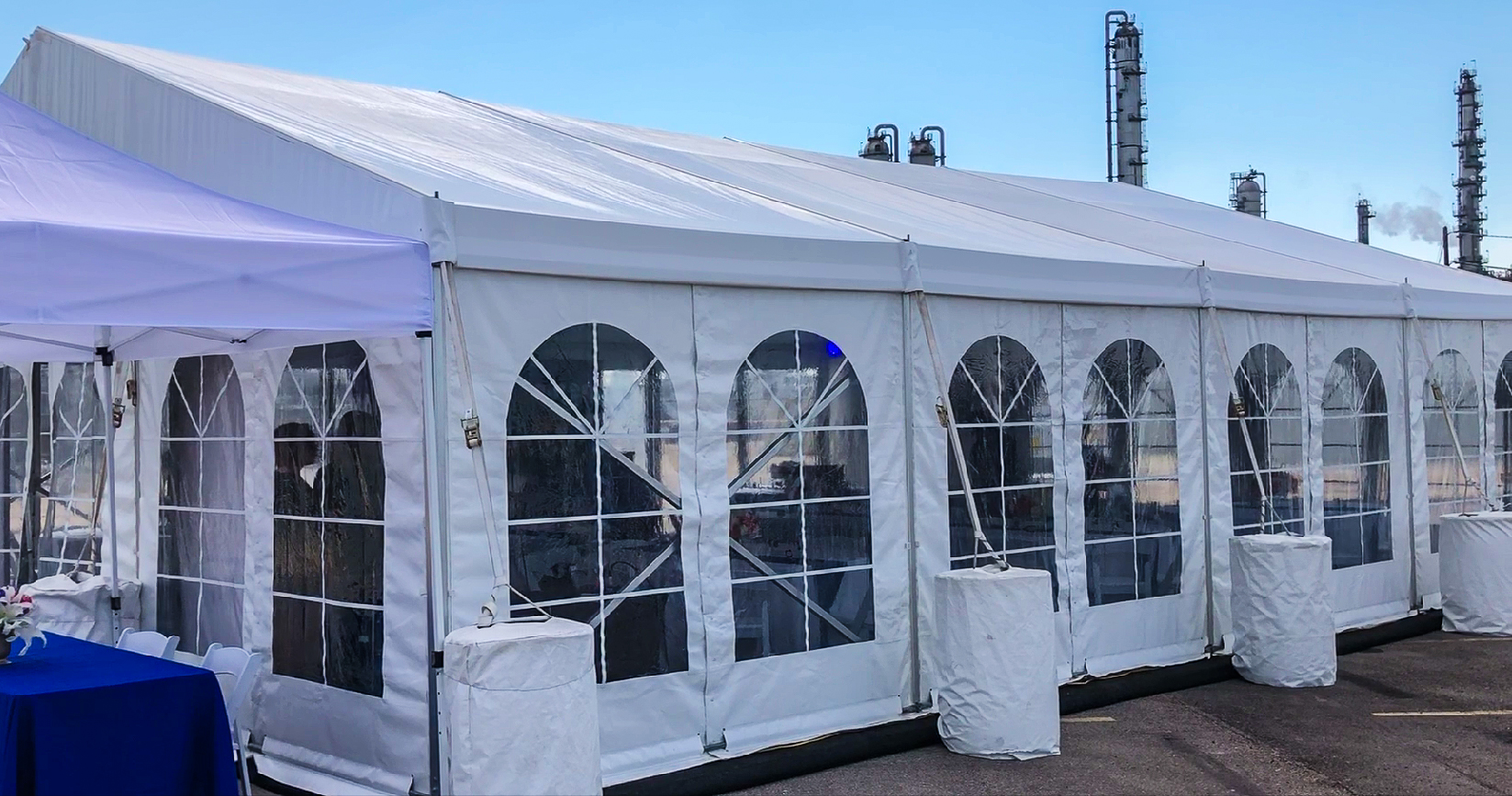
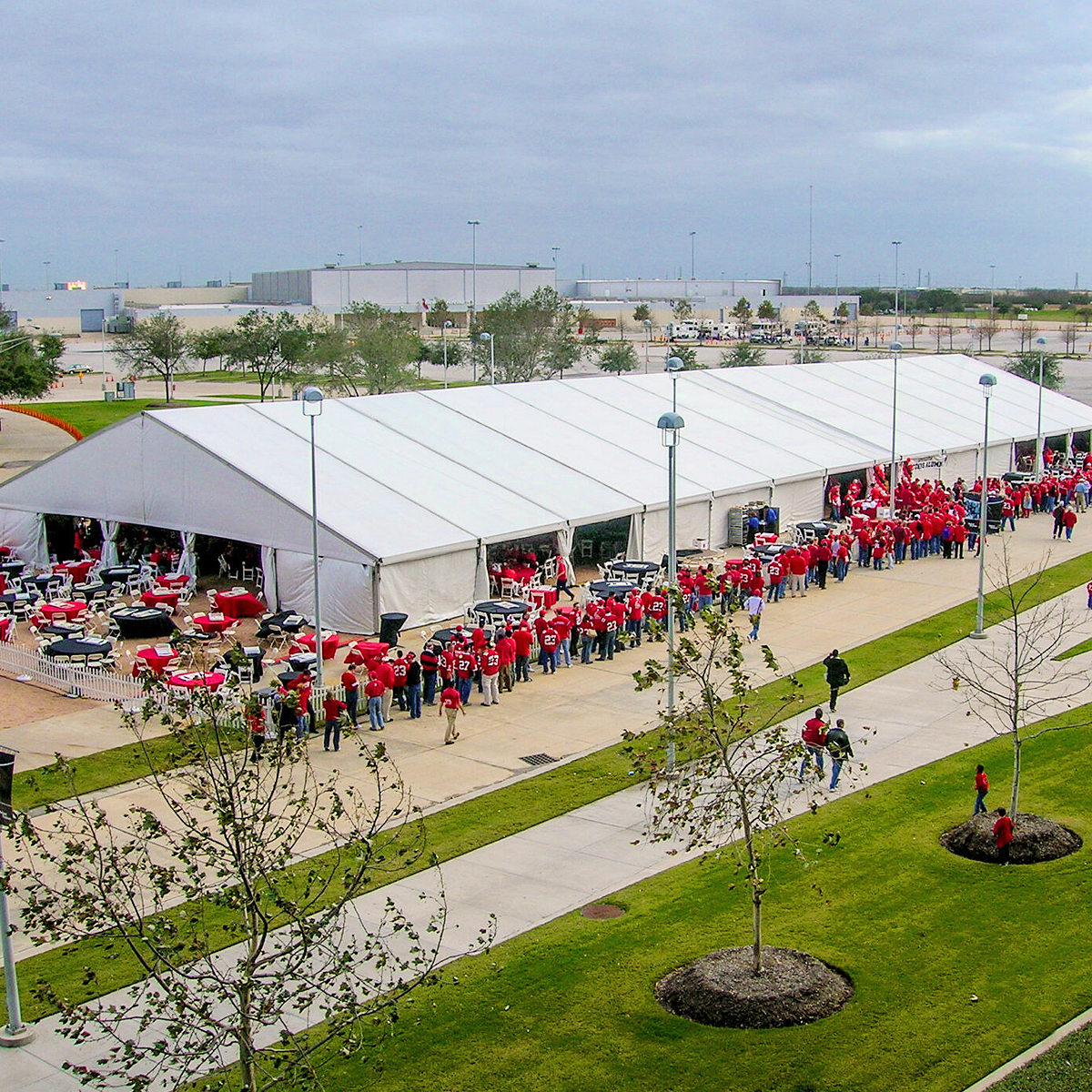
Structure tents are the engineered, clear-span version: a rigid aluminum box-beam frame built to stand for weeks and rated for serious wind and rain. For large spans, long installs and dates that cannot be rained out.

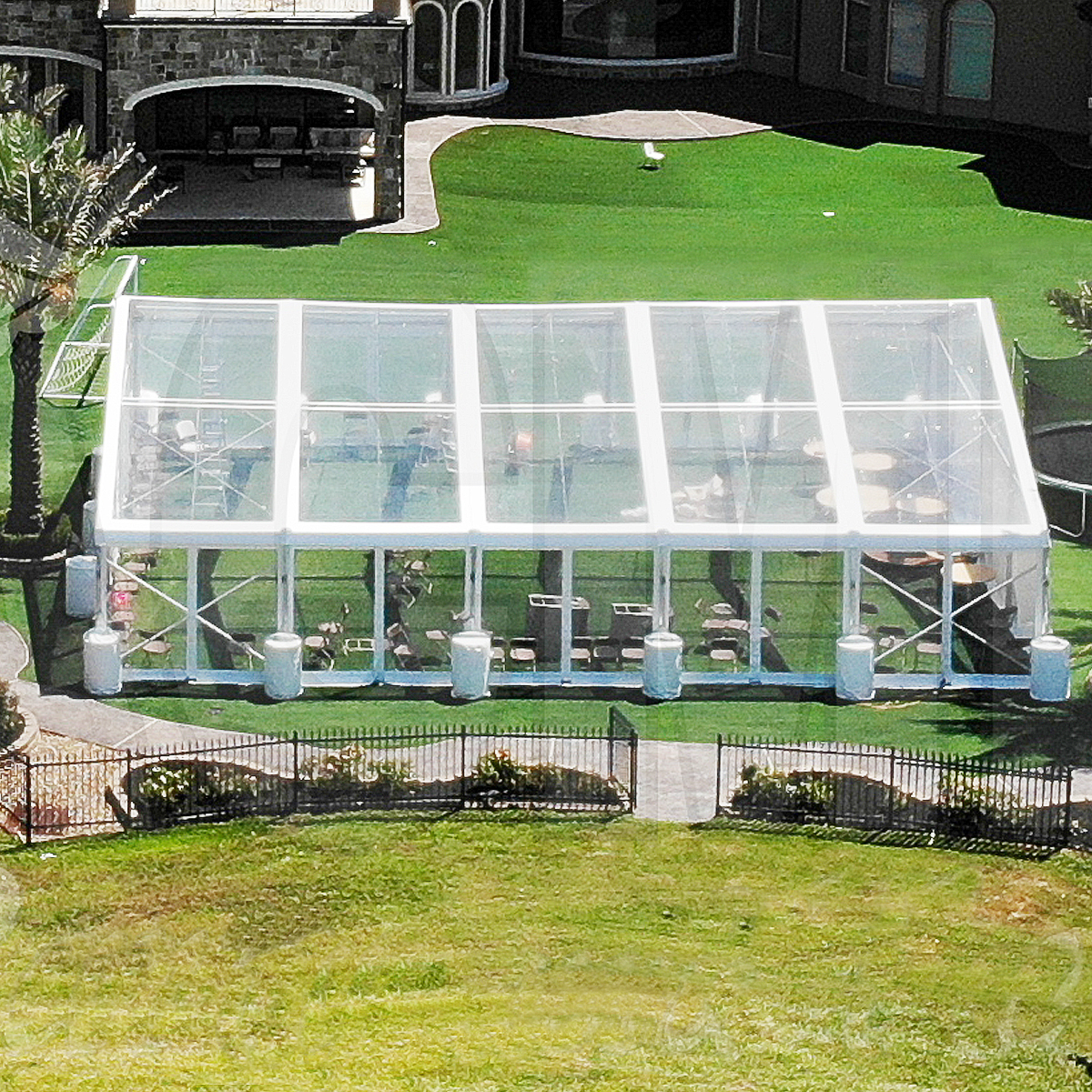
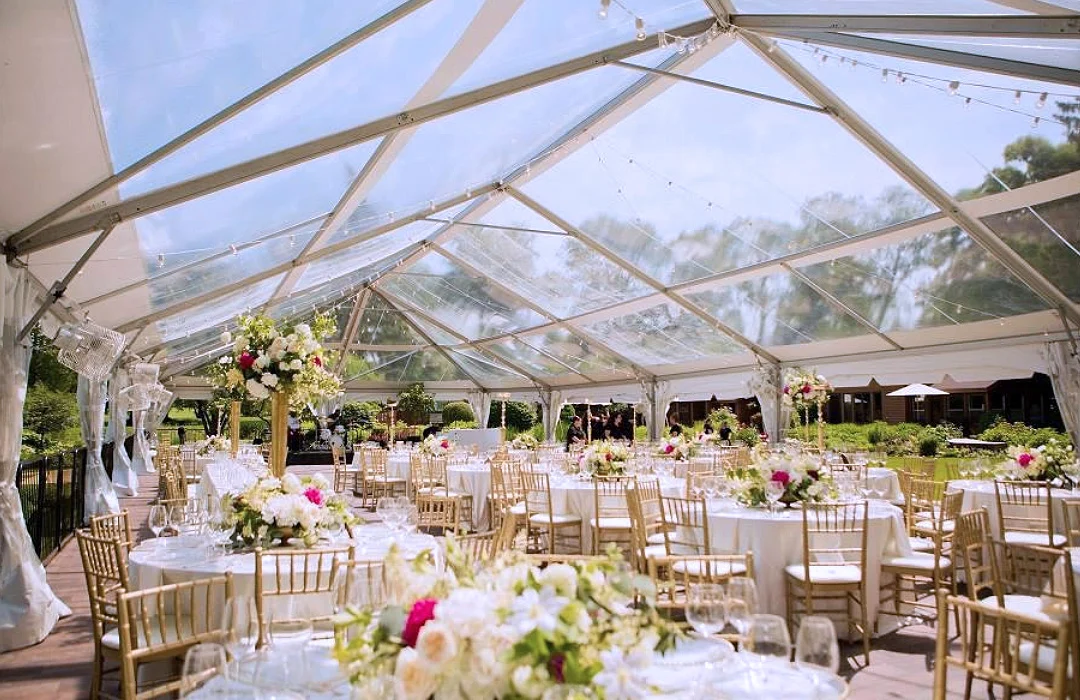
Clear top tents are structure tents with a transparent roof. Spectacular after dark for weddings and galas; plan cooling for any daytime use in a Houston summer.

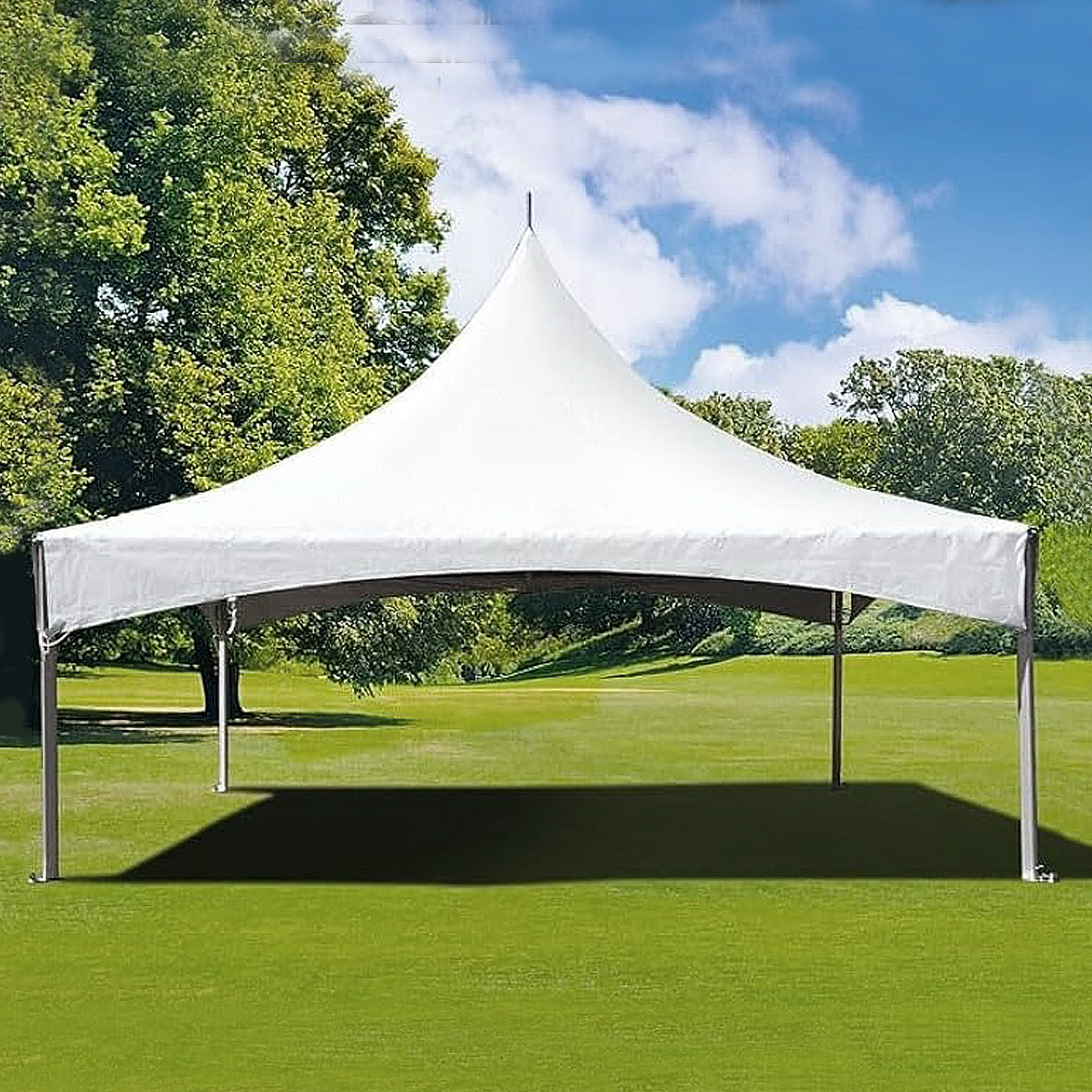
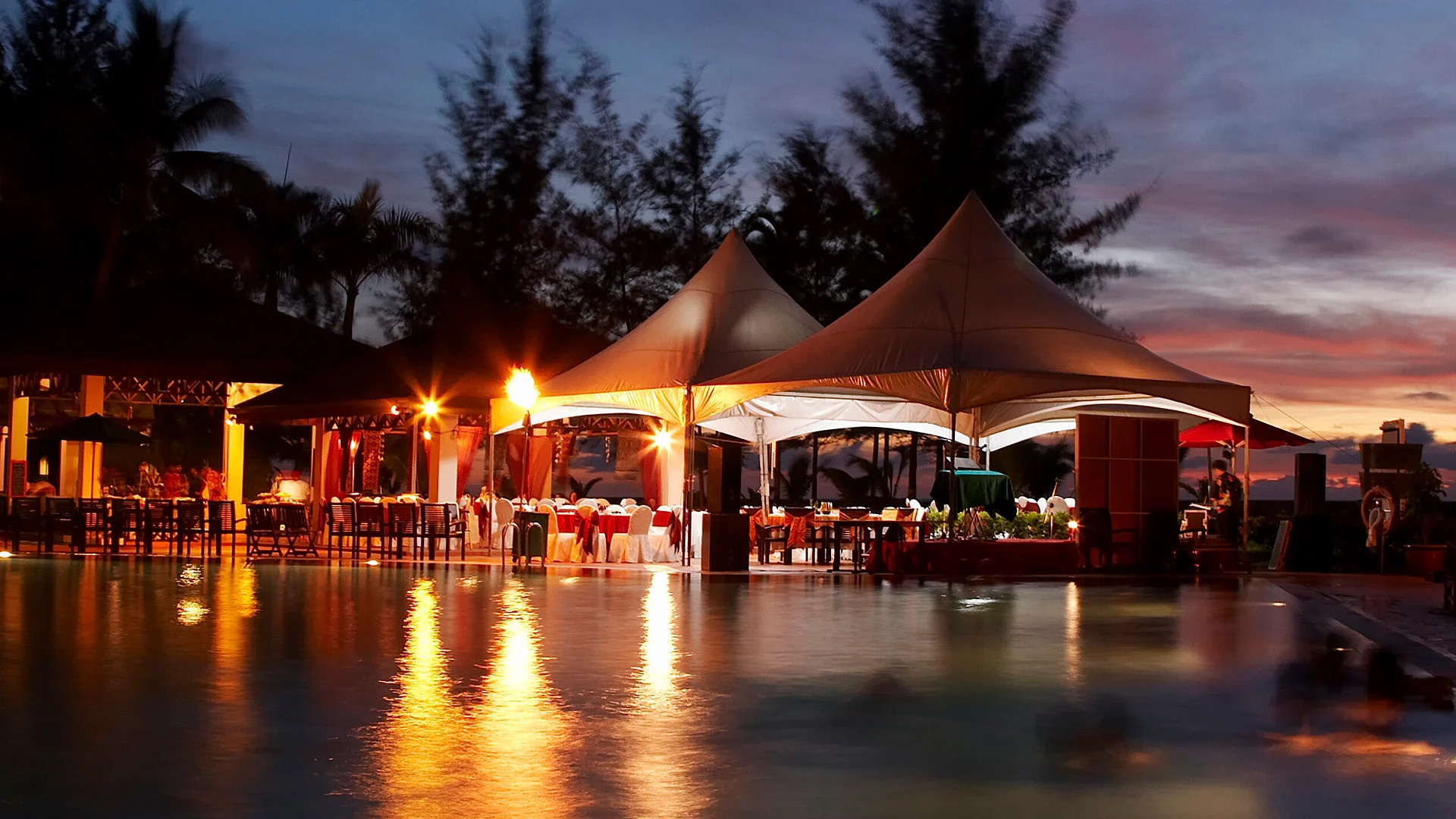
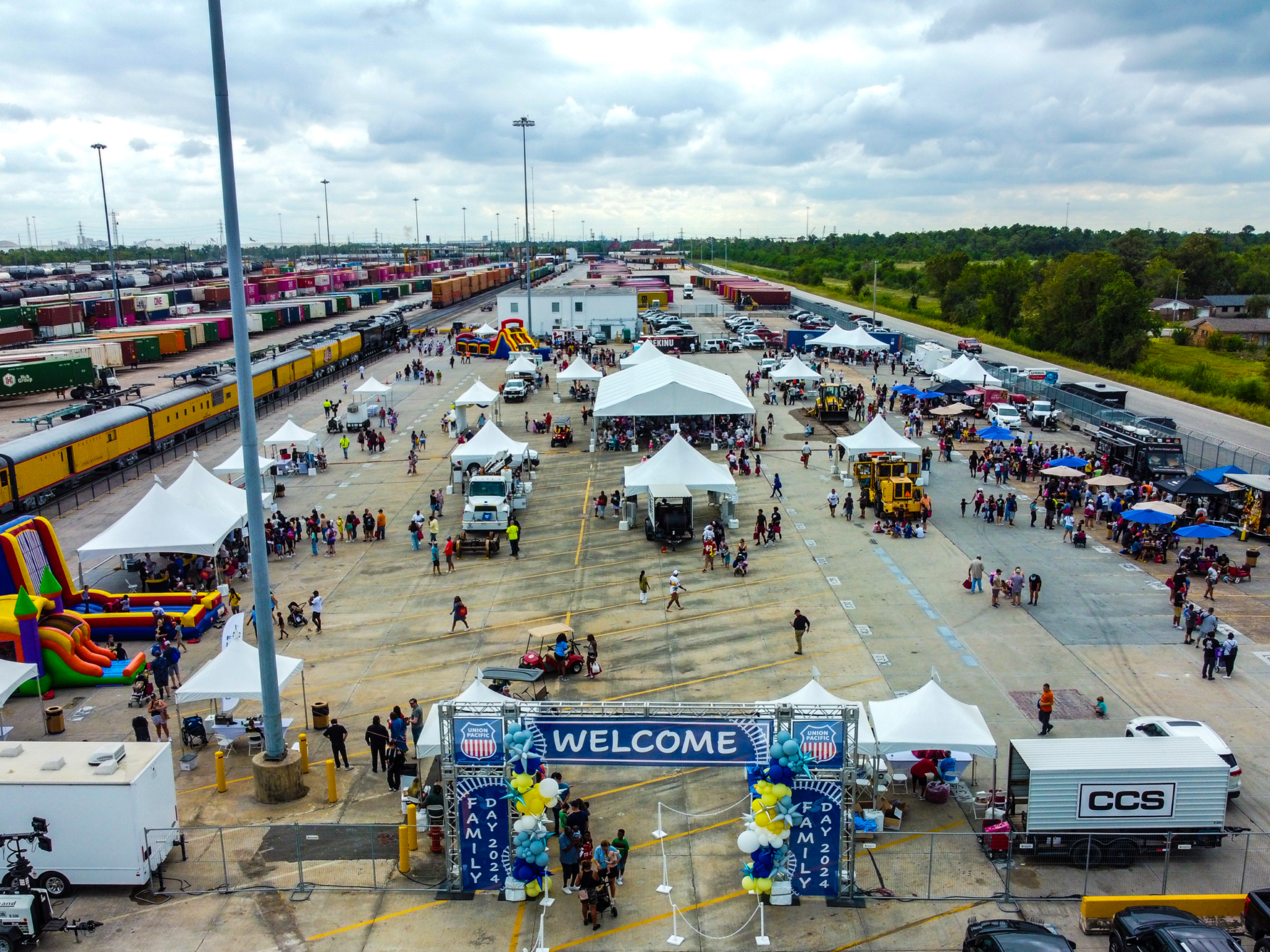
Festival marquee tents are high peak frame tents deployed in numbers to cover vendor rows, gates, food and sponsor areas across a festival, market or sports site.

Keder track tents lock the roof panels into a track along their full edge for the cleanest finish, the largest practical spans and the tightest sites.

Event tents is the umbrella for any of the above chosen for a wedding, corporate event, private party or fundraiser, with the sizing, sidewall and climate questions that go with it.

Commercial tents cover an operation rather than a date: corporate programs, retail activations and industrial sites, usually walled, powered and climate-controlled as standard.

Warehouse tents are clear-span storage and working structures on your own yard, for inventory overflow, parts staging and emergency operations.

Industrial tents are temporary buildings for refineries, plants, manufacturers, turnarounds, worker facilities, healthcare overflow and emergency response, specified for months of use and for forklifts rather than guests.

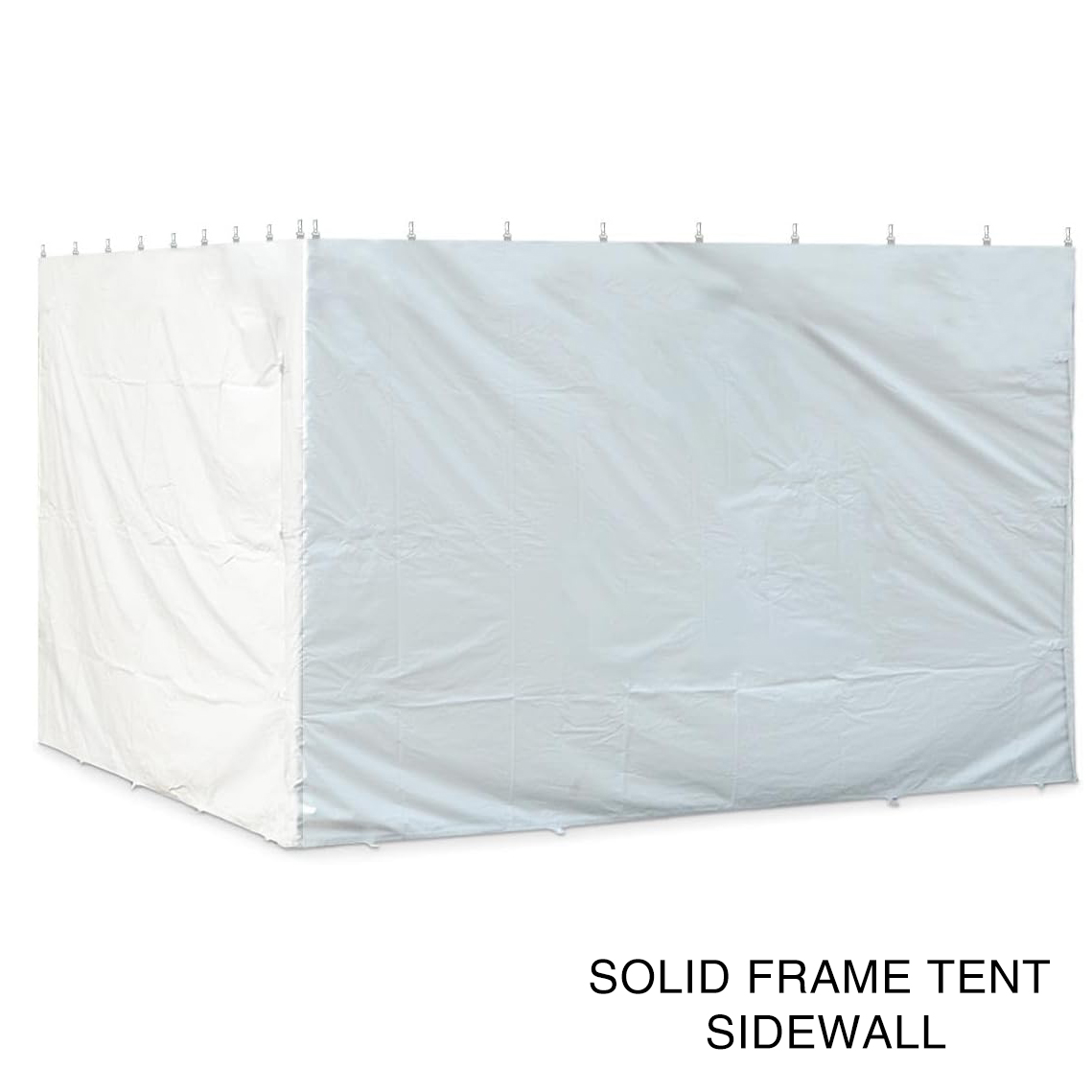
Tent accessories are the sidewalls, doors, gutters, weights and leg extensions that turn a roof into a walled, cooled, dry and safely anchored room.
Which Tent Type Do You Need? A Quick Chooser

Use this as a first pass. Each guide above goes deeper, and ACME’s event specialists will confirm the fit against your actual site and layout.

What Else Goes With a Tent?

The tent is the shell. Almost every tented event or job site needs the rest of it, and ordering it together means one delivery window and one crew who know how the pieces fit. From the ACME catalog:

Browse the full rental catalog, or request a quote and let one crew bring all of it.

Frequently Asked Questions

Frame tents, structure tents, clear top tents, festival marquee (high peak) tents, Keder track tents and the sidewalls, doors, gutters and ballast that go with them, plus event, commercial and warehouse tent packages built from those types.

Start with the surface, the duration and the look. A weekend event on almost any surface is usually a frame tent. Weeks-long installs, large spans or serious weather call for a structure tent. Evening events where photographs matter point to a clear top. Festivals use runs of marquee tents. Each tent type guide on this page explains the fit in detail.

Layout drives size more than headcount. Standing receptions pack tightest, ceremony rows need more, and seated dinners need considerably more again, before you add a dance floor, bar or stage. Our tent size guide works through it, or tell us your layout and we will size it.

Yes. Frame and structure tents are anchored with stakes where the surface allows or secured with water barrel or concrete block ballast on concrete, asphalt and other surfaces that cannot be penetrated.

Often, for larger or enclosed tents. Rules differ between the City of Houston, unincorporated Harris County and the surrounding municipalities, and larger structures can attract fire marshal review. The organizer holds responsibility for permits; ACME supplies the specifications and documentation the applications need.

Use the Request A Quote form or call 713-729-2424. Tell us the event or job, the date, the location and the expected guest count or what has to fit under the tent, and an ACME event specialist will put together pricing and recommendations.

Family-Owned

Serving Houston and the Gulf Coast for decades

Houston & Gulf Coast

Delivering across Southeast Texas

24/7 Quick Response

Disaster relief & emergency deployments

One Vendor

Tents, furniture, power, climate & service

Plan your next event with ACME and let us worry about the details

From a backyard wedding to a festival for thousands to a season-long industrial structure, ACME’s specialists will walk you through the tent, the accessories and everything that goes inside.