
Dance Floor Rental Guide: Sizing, Styles & Setup
How big, which style, and what goes underneath, sized by who's actually dancing
The Sizing Secret: Count Dancers, Not Guests
The most common dance floor mistake is sizing it to the guest list. The real question is how many people will be dancing at one time, and at a typical wedding, that’s about 25% of the total guest count on the floor at any given moment. A 200-guest wedding usually needs a floor for about 50 simultaneous dancers, not 200. Size from the dancing crowd and the floor feels right all night: full enough to have energy, roomy enough to move.
Then apply the second rule: when in doubt, size up. A slightly generous floor is invisible; a too-small floor is the complaint guests remember. The cost difference between sizes is modest, the experience difference is not.
A Sizing Table to Start From
These are working estimates for a typical event, assuming roughly a quarter of guests dancing at once, use them as a starting point, then fine-tune with an ACME event professional:
- Up to 80 guests, approximately 12' x 12'
- 100-150 guests, approximately 15' x 15' to 16' x 16'
- 150-200 guests, approximately 18' x 18' to 20' x 20'
- 250+ guests, 21' x 21' and up, sized to the crowd and the room
Two factors move these numbers. First, the type of dancing matters: celebrations featuring cultural dance traditions, many Asian and Indian weddings among them, often need meaningfully more room per person than standard social dancing, so tell us about the celebration, not just the count. Second, the event type shifts participation: weddings dance more than corporate dinners, concerts more than galas. That’s why the chart is a start and the conversation is the finish.
Styles & Surfaces
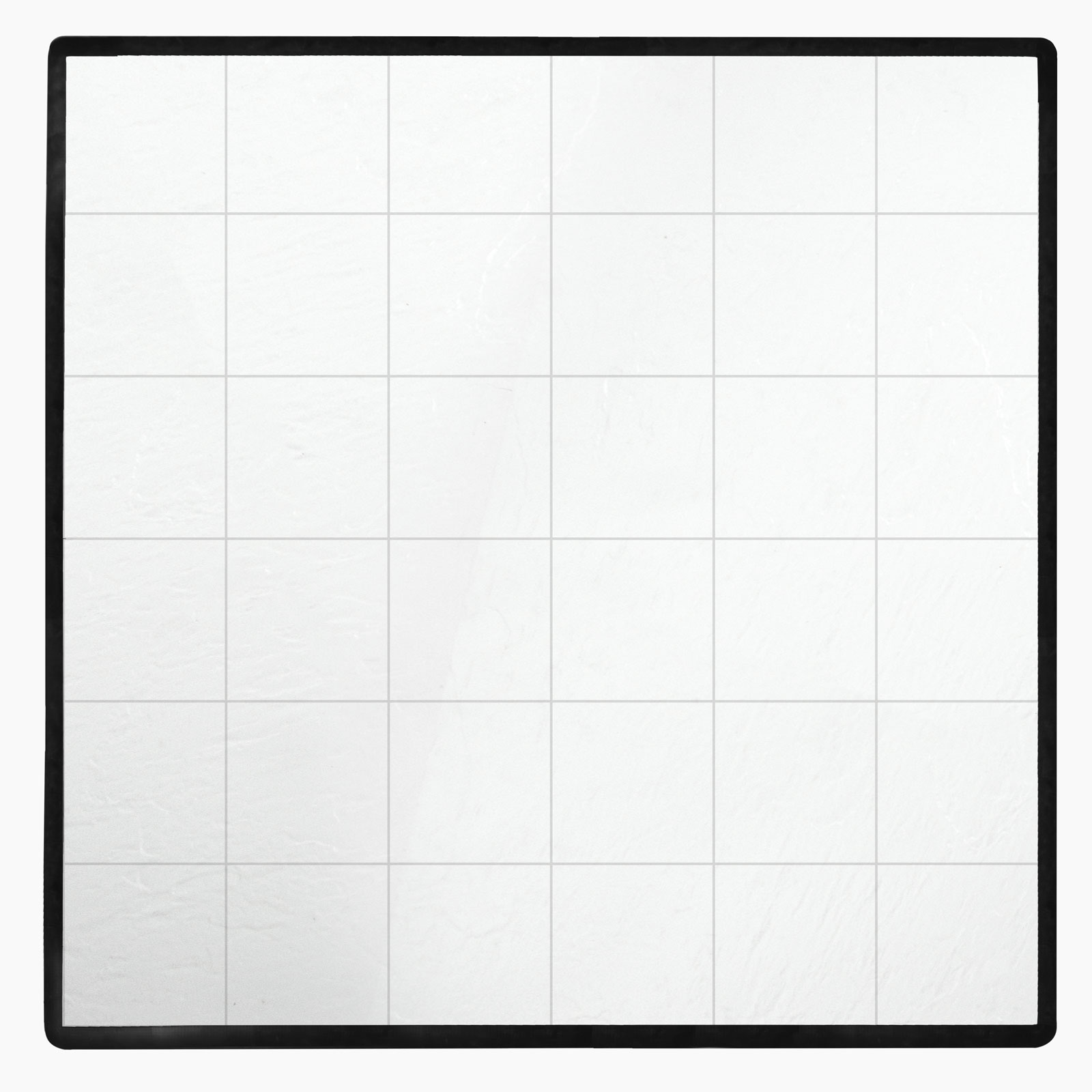
The classics carry most events: clean white, warm wood-look, and the timeless black-and-white checkerboard that makes every dance photo look like a movie still. Style pairs with the rest of the build, the linens, the lighting, the room’s palette, so choose the floor alongside the look of the event rather than in isolation. Specialty surfaces can be arranged for events with a specific vision; ask your ACME event professional what’s available for your date.
What Goes Underneath: Setup & Leveling
A dance floor is only as good as what’s under it. On any natural ground, grass, dirt, uneven yard, a leveled subfloor must be built first, and ACME handles that as part of the same setup. On hard level surfaces (concrete, ballroom floor, patio), floors typically lay directly. Outdoors, the floor belongs under cover: a tented dance floor survives dew, drizzle, and Houston humidity that would end an exposed one. The full sequencing details live in our flooring guide.
By Event Type
- Weddings, the 25% rule, sized up; position the floor central to the seating so the party surrounds it
- Corporate events, smaller floors relative to guest count; dancing follows the program, so pair the floor with the stage and sound plan
- Concerts & festivals, participation runs high; think coverage area rather than dance floor, and stage sight lines first
- Quinceañeras, cultural celebrations & choreographed moments, more room per dancer and space for the performance the night is built around
Whatever the event, the floor works with the staging, the band or DJ’s power needs, and the tent layout, one more reason the whole build is easier from one house.
Frequently Asked Questions
Plan for roughly a quarter dancing at once, about 15′ x 15′ to 16′ x 16′ as a starting point, sized up if your crowd loves to dance or the celebration features group and cultural dances.
Yes, with a leveled subfloor built first, which ACME handles as part of setup. A dance floor never goes directly on soft ground.
Outdoors, yes, under cover it’s protected from dew and weather, and it puts the dancing at the heart of the event where it belongs.
White, wood-look, and black-and-white checkerboard are the classics that suit most events; specialty surfaces can be arranged, ask about options for your date.
Start with the sizing table, then talk it through with an ACME event professional, participation varies by event type and celebration style, and fine-tuning is free.



Put the dance at the center of the night
Tell us your guest count and your celebration, we’ll size the floor, build what’s under it, and set the stage around it.