
Planning an Outdoor Wedding in Houston: Weather, Tents & Building Your Own Venue
You're not renting a tent — you're building a venue
Here’s the thing nobody tells you about planning an outdoor wedding in Houston: you’re not renting a tent — you’re building a venue. A ballroom comes with a floor, air conditioning, lighting, power, a kitchen, and restrooms. A backyard, a ranch, or a waterfront lawn comes with none of that. The magic of an outdoor wedding is that you get to build exactly the venue you want, where you want it; the discipline is remembering that every one of those ballroom features now has to be planned, delivered, and set up. This guide walks through all of it.
Start With the Venue Decision — Then Build It
An outdoor wedding site gives you what no ballroom can: your family’s land, a view your guests will remember, a date that isn’t hostage to a venue’s calendar, and a blank canvas for the exact celebration you’re imagining. What it asks in return is a plan that covers the venue’s job description: shelter, floor, climate, light, power, food service space, and guest comfort. When couples plan those seven from the start, outdoor weddings run beautifully. When they plan the pretty parts first and the infrastructure last, the final month gets stressful. Start with infrastructure — the décor is the easy part.
Choosing Your Tent: Style and Size
The two style families that matter for weddings are frame tents — no interior poles, flexible siting on grass or pavement — and structure tents, the engineered, higher-ceiling option for larger guest lists and grander builds. A clear top under the evening sky is one of the most beautiful looks in the business — with one honest Houston caveat: clear tops hold heat, so they’re at their best from late fall through early spring, and generally the wrong choice in summer.
Sizing follows the reception, not just the headcount: a seated dinner for 150 with a dance floor, a stage for the band, a bar, and a buffet needs meaningfully more square footage than 150 guests standing with cocktails. Think through what happens inside the tent hour by hour, then size to that. Our tent size guide and wedding tent guide carry the details.

Beating the Heat (and the Weather)
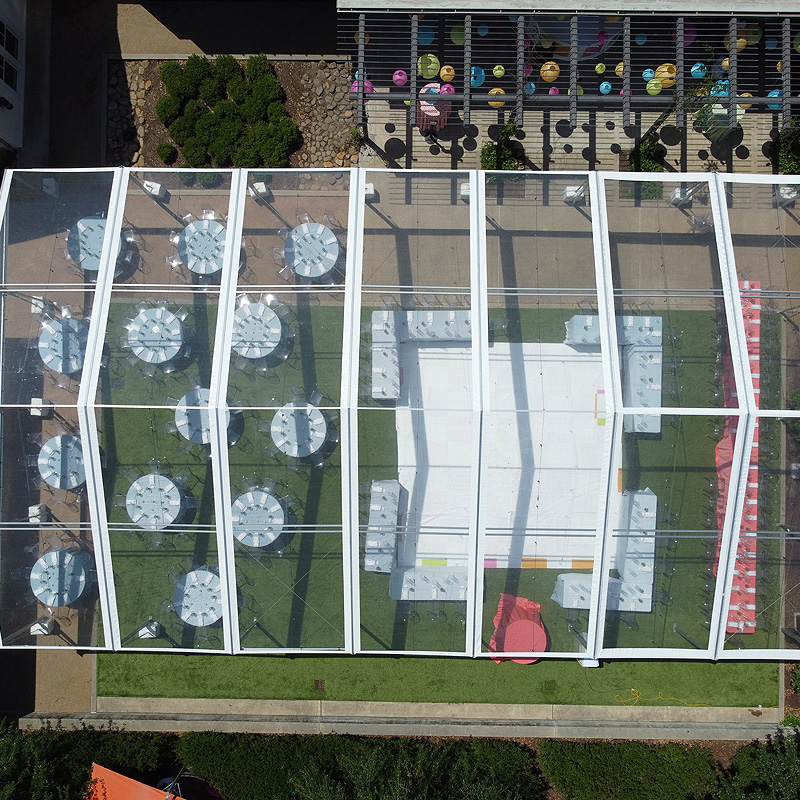
Houston’s climate is the single biggest planning factor for an outdoor wedding. From May through September, climate control is not optional for guest comfort — a fully enclosed, air-conditioned tent with sidewalls and doors turns August heat into a non-issue, but it must be sized to your tent’s square footage and backed by enough power. Spring and fall bring the state’s best wedding weather along with pop-up storms, which is why sidewalls belong in the plan even when the forecast is clear: installed and rolled up, they’re insurance; absent, they’re a 2 a.m. worry. Winter asks the opposite — heaters take the chill off an evening reception, and it’s clear-top season at its finest.
The Floor, the Dance Floor & the Light
Three build decisions do the most for how the night feels underfoot and on camera:
- Flooring levels the ground, saves every heel in attendance, and gives tables a stable surface. On grass, a leveled subfloor comes first — always — before anything goes on top.
- The dance floor is sized to who will actually dance — typically about a quarter of your guest count at any one time — and slightly bigger is always the right call.
- Lighting earns more atmosphere per dollar than any other rental: string lights across the ceiling, uplighting on the perimeter, a warm glow over dinner that photographs like a dream. In an enclosed tent, lighting is also simply required — plan it as infrastructure, not decoration.

Power, Load-In & the Unglamorous Essentials
Now the part JL’s team would tell you never to forget: power, lighting circuits, and load-in access. A wedding venue-build runs on electricity — the A/C, the band or DJ, the caterer’s warmers, the lighting, the coffee service — and a house outlet doesn’t carry that load. A properly sized generator with planned circuits keeps the ask, the first dance, and the air conditioning all running at once. Just as important: walk the load-in path early. Narrow gates, low branches, soft ground after rain, and tight turns decide what equipment can physically reach your site — and some properties have real load-in limits that shape the whole build. A site survey settles all of it before anything is booked.
Tables, Linens & the Look of Dinner
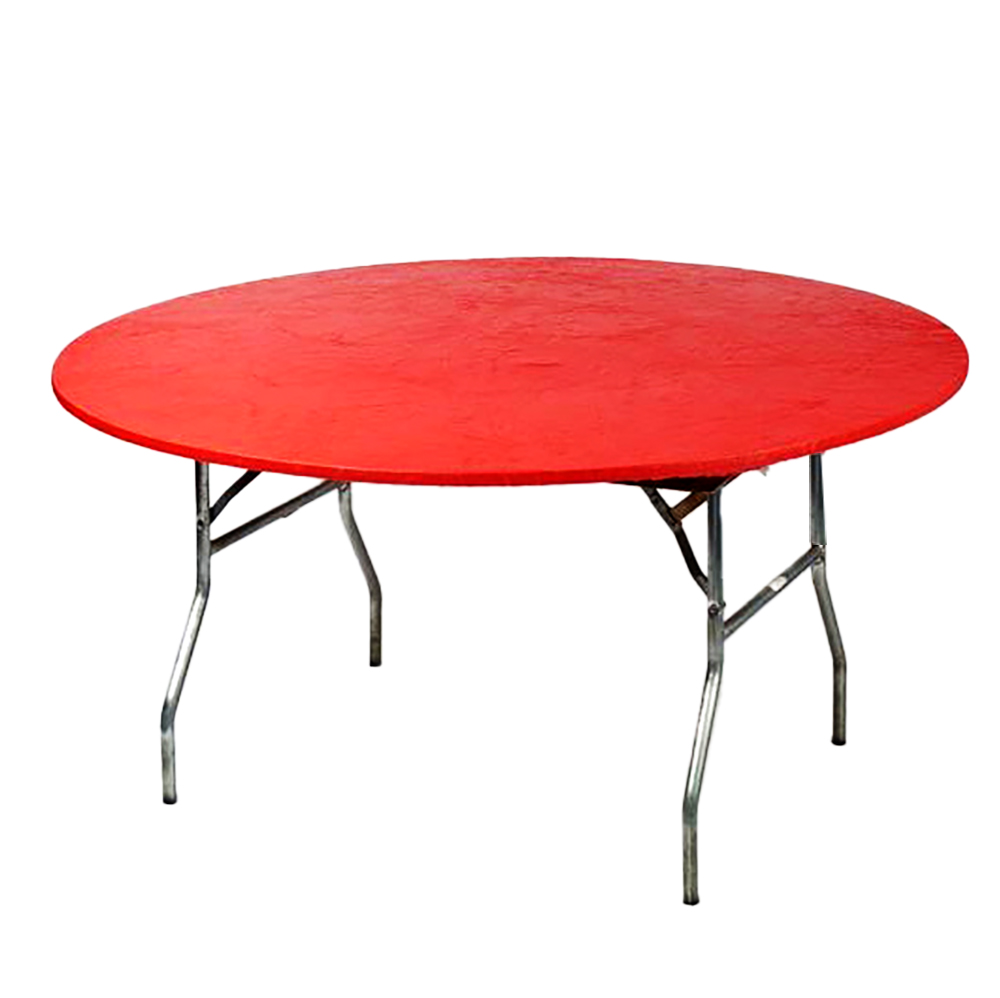
Once the room stands, dinner furnishes it. Round tables of ten are the wedding classic — roughly one hundred square feet per table once chairs pull out — with long banquet tables increasingly popular for family-style dinners and head tables. Linens set the palette guests actually see in photos, and the place settings finish it: china, glassware sized to what you’re pouring, and flatware that matches the formality of the menu. One practical note from our tableware team: always rent slightly above your headcount — a spare place setting is invisible, a missing one never is. And if charger plates are part of the look, plan for them in the table size: they’re bigger than dinner plates and claim real space per seat.
Feeding the Party: the Caterer's Corner
Your caterer needs their own square footage — a prep and staging area out of guest view, with tables, warming equipment, and its own power circuit. Ask your caterer early what they need and route it into the plan; a caterer who arrives to a ready back-of-house serves dinner on time, and the cooking and warming equipment can arrive on the same truck as everything else. The same goes for the bar: position it away from the food line, stock it with the right glassware, and give it its own lighting so it stays welcoming all night.
Layout: Ceremony + Reception in One Place
The classic outdoor-wedding layout gives the ceremony its own space — garden chairs facing an arch or a view — then moves guests to the tent for cocktails and dinner. Inside, the layout writes the evening’s choreography: guests enter past the gift and welcome tables, sightlines from every seat reach the head table and the dance floor, the bar sits away from the buffet line so crowds don’t collide, and the caterer gets a back-of-house prep area out of view. An event setup and management walkthrough turns a sketch into a floor plan that works.

Your Planning Timeline (It Varies — Here's the Framework)
Every wedding’s timeline is different — season, guest count, and build complexity all move the dates — so instead of a rigid month-by-month schedule, use this framework: as early as possible, hold your date and book the tent and major rentals (spring and fall dates book out first, and summer A/C equipment goes fast). Once the guest list firms up, finalize sizing, layout, flooring, and the power plan, and get the site survey done. In the final weeks, lock delivery windows with every vendor, confirm the load-in plan, and let your rental team coordinate setup day so you don’t have to. The single rule that holds for every timeline: the infrastructure decisions come first, because everything else stacks on top of them.
Budgeting Honestly
An outdoor wedding budget is a venue budget: tent, floor, climate, power, lighting, tables, chairs, linens, and place settings, plus delivery and setup. What you save on a ballroom you reinvest in building your own — usually with money left over and always with more say in how it looks. For real numbers, start with our tent pricing breakdown, and remember the renter’s rule: a small buffer of extra seating and lighting costs little; a shortage on the day costs a lot.
The Short Version
Build the venue first — shelter, floor, climate, light, power. Size the tent to the celebration, not the headcount. Respect Houston’s weather in every season. Walk the load-in path before you book. And hand the coordination to a team that builds wedding venues on empty lawns every week. That’s what we do: one call, one delivery, one crew, and your wedding venue rises exactly where you want it.
Request a quote or call 713-729-2424 — tell us about the day you’re planning, and let us worry about the details.
Frequently Asked Questions
As early as your date is firm. Spring and fall are peak season and the best equipment books first; summer weddings should book climate control at the same time as the tent.
Yes — a fully enclosed tent with properly sized A/C, doors, and its own power keeps guests comfortable through an August reception. It’s a system (cooling, enclosure, power) rather than a single add-on, and we size all three together.
That’s what the tent is for — with sidewalls in the plan, a storm becomes atmosphere instead of catastrophe. We plan anchoring and weather contingencies for every season as part of the build.
Cocktails on grass can be lovely; dinner and dancing want a floor. Level flooring protects shoes, steadies tables, and makes the dance floor possible — on grass, a subfloor goes down first.
Plan your next event with ACME and let us worry about the details!
Tell us the date, the crowd, and the vision — one call covers all of it.

- Fall & Holiday Event Rentals in Houston: 2026 Trends - August 22, 2026
- Hurricane-Season Readiness: How Gulf Coast Businesses Use Rapid-Deploy Tents - August 22, 2026
- Planning an Outdoor Wedding in Houston: Weather, Tents & Building Your Own Venue - August 22, 2026
No related posts.